35 Pint vs 50 Pint Dehumidifier: Technical Showdown
Choosing the right moisture extraction capacity determines your indoor climate stability. We evaluate extraction rates, physical dimensions, and energy draws to help you select correctly.

Choose the 35 pint unit for compact crawlspaces and moderate bedrooms. Select the 50 pint model for large basements and severe humidity.
Compare all top models in our Best Dehumidifier: Top Picks for Healthy Indoor Air.
Side-by-Side Breakdown
| Criteria | 35 Pint | 50 Pint Dehumidifier | Edge |
|---|---|---|---|
| Core Design / Build | Compact plastic chassis | Heavy-duty compressor housing | Side B |
| Real-World Performance | 35 pints per day extraction | 50 pints per day extraction | Side B |
| Ease of Setup & Use | Lightweight maneuverability | Casters and grab handles | Side B |
| Durability & Reliability | Standard thermal overload protection | Commercial-grade condenser coils | Side B |
| Efficiency / Operating Footprint | Lower wattage draw | Higher amperage demand | Side A |
| Maintenance Requirements | Frequent bucket emptying | Larger reservoir capacity | Side B |
| Best Ideal Use Case | Medium living spaces | Damp basements and whole homes | Side B |
Capacity Ratings and Moisture Extraction Metrics
Dehumidifier capacity ratings depend on standard Department of Energy testing protocols. These metrics measure water removal under specific ambient humidity and temperature thresholds.
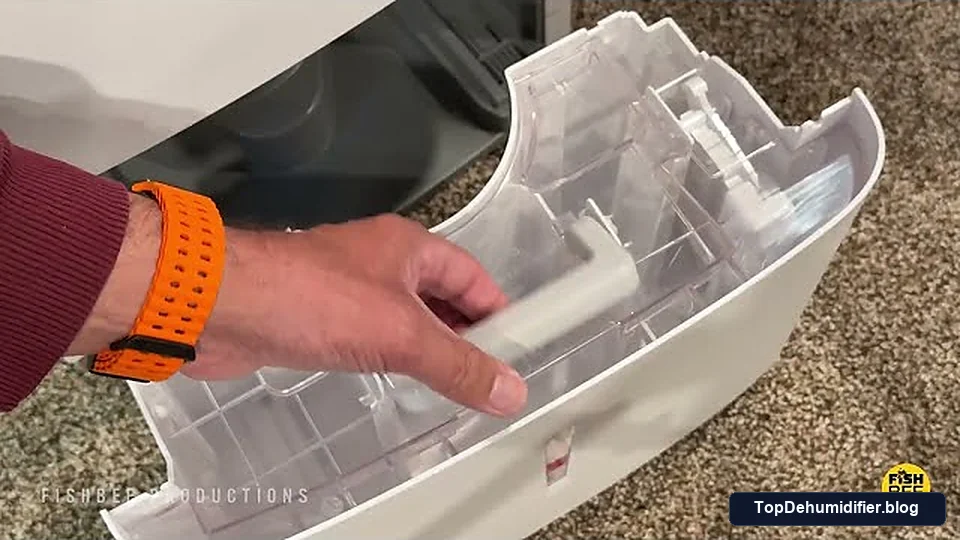
A thirty-five pint model removes moderate moisture loads efficiently in tighter footprints. For larger spaces, examine insights from our midea cube 50 pint dehumidifier review to understand heavy-duty extraction.
DOE testing protocols mandate that 35-pint and 50-pint dehumidifiers operate at 65°F and 60% relative humidity. These standardized test conditions ensure accurate moisture removal comparisons across different residential compressor chassis.
Selecting a 50-pint unit provides necessary headroom for damp basements exceeding 500 square feet. Undersized 35-pint models will run continuously, increasing mechanical wear and failing to lower ambient dew points effectively.
- DOE test standard benchmarks
- Ambient temperature sensitivity curves
- Daily water removal volume limits
Evaluating Space Volume Requirements
Room volume directly impacts how long your appliance must run to achieve target relative humidity levels. Undersized units run continuously without reaching comfort goals.
Calculating square footage alongside ceiling height ensures you match equipment capability with actual environmental moisture loads effectively.
- Square footage guidelines
- Ceiling height correction factors
Physical Dimensions and Chassis Ergonomics
Physical footprint dictates where you can place these heavy mechanical systems inside residential spaces. A larger compressor housing adds significant weight to high-capacity units.
Integrated caster wheels and recessed side handles improve maneuverability across uneven floors. Models featured in our best 70 pint dehumidifier for basement roundup require careful positioning due to their heavier chassis weight.
A typical 35-pint chassis measures roughly 14 inches wide by 22 inches high, making it easier to lift into tight crawl spaces. Recessed side handles improve grip stability during transport.
Larger 50-pint models demand more floor space and feature heavier rotary compressors weighing over 40 pounds empty. Integrated caster wheels are essential for safely maneuvering these heavy units across residential flooring.
- Unit weight discrepancies
- Handle and caster placement
- Vertical clearance requirements
Managing Storage and Portability
Heavy units demand dedicated floor space inside residential utility closets. Off-season storage requires careful consideration of cabinet dimensions and power cord management systems.
- Cord wrap placement
- Seasonal storage footprints
Energy Consumption and Electrical Load
Operating high-capacity compressors demands careful attention to household electrical circuit limits and amperage draws. Running heavy equipment on shared circuits trips standard breakers.
Modern Energy Star ratings help identify efficient models that reduce long-term electricity expenses while maintaining robust moisture removal rates across humid seasons.
Operating a 35-pint dehumidifier draws around 450 to 550 watts under standard compressor load. For higher capacity needs, check out our best 50 pint dehumidifier roundup for efficient whole-home drying options.
High-capacity 50-pint systems often consume 700 watts or more, requiring dedicated circuit consideration if running alongside other heavy appliances. Energy Star certifications help verify improved compressor efficiency over older legacy units.
- Amperage draw comparisons
- Energy Star efficiency standards
- Circuit load management
Compressor Efficiency and Power Draw
Rotary compressors in modern dehumidifiers balance cooling cycles with high refrigerant pressures while minimizing power spikes during startup phases.
- Rotary compressor mechanics
- Startup surge currents
Drainage Configurations and Reservoir Management
Water collection buckets dictate how frequently homeowners must interrupt operation for manual emptying tasks. High-capacity units fill smaller reservoirs rapidly during peak humidity conditions.
Utilizing gravity drain hoses or internal condensate pumps eliminates manual bucket management entirely while ensuring uninterrupted continuous drainage across long cycles.
Both capacity tiers offer gravity-fed continuous drainage ports utilizing standard garden hose fittings. However, smaller 35-pint buckets fill much faster, requiring frequent manual emptying if continuous drainage is unavailable.
Utilizing built-in condensate pumps on units featured in our best 50 pint dehumidifier for basement guide enables water to lift up to 15 feet vertically for easy installation.
- Bucket capacity volumes
- Gravity drain hose fittings
- Internal condensate pump options
Continuous Drainage Setup Best Practices
Sloping gravity drain lines downward prevents stagnant water pooling inside internal collection trays and protects against accidental basement floods.
- Drain slope requirements
- Threaded connection seals
Noise Output and Acoustic Profiles
Mechanical vibration from reciprocating compressors generates ambient noise that impacts habitable living areas while acoustically isolated motor mounts reduce structural humming sounds.
Larger fifty-pint appliances generally produce higher decibel ratings due to increased fan speeds and heavier compressor components. Placing units on rubber vibration pads dampens sound transmission.
Acoustic output remains a crucial factor when placing dehumidifiers in finished living spaces. A typical 35-pint unit generates about 50 decibels on high fan speed, resembling a quiet residential refrigerator compressor.
Larger 50-pint appliances utilize higher-velocity airflow fans that routinely exceed 55 decibels during peak extraction. Rubber vibration isolation pads placed underneath the chassis help dampen low-frequency structural hum effectively.
- Decibel output metrics
- Fan speed adjustments
- Vibration dampening mats
Sound Mitigation Strategies
Positioning dehumidifiers away from bedroom walls prevents sleep disruption caused by constant compressor hum and persistent airflow turbulence.
- Wall clearance spacing
- Acoustic insulation pads
Maintenance Protocols and Filter Hygiene
Regular air filter cleaning maintains optimal airflow across freezing evaporator coils and warm condenser fins. Neglected filters restrict airflow and reduce extraction efficiency.
Washing mesh intake screens with mild soap prevents dust buildup and microbial growth inside the sealed refrigerant system components.
Consistent maintenance prevents mold accumulation inside the internal evaporator coils and plastic reservoirs. Washable mesh filters require cleaning every two weeks with warm soapy water to maintain proper airflow resistance.
Failing to clean these filters starves the refrigeration coils of heat exchange capacity, which can cause premature frost buildup and compressor burnout. Annual sanitization of the collection bucket prevents bacterial slime growth.
- Washable mesh filter maintenance
- Evaporator coil inspections
- Mold prevention routines
Long-Term Reliability and Coil Care
Annual visual coil inspections catch refrigerant leaks and frost accumulation early before catastrophic compressor failure occurs inside damp basement environments.
- Refrigerant leak checks
- Frost sensor testing
Frequently Asked Questions
Which size dehumidifier works best for a standard damp basement?
A fifty pint unit handles heavy subterranean moisture loads and extensive square footage effectively across damp foundation walls and porous concrete surfaces to keep relative humidity under strict control.
Selecting this higher extraction capacity reliably prevents persistent mold growth, structural moisture damage, and musty odors throughout below-grade living spaces during peak summer humidity spikes and seasonal weather shifts.
Can I use a smaller 35 pint dehumidifier in an open concept main floor?
A compact thirty-five pint model usually struggles to maintain target relative humidity levels across expansive open concept main floor layouts featuring high ceilings and continuous household airflow paths.
You should reserve these smaller capacity appliances strictly for isolated bedrooms, cramped crawlspaces, or restricted laundry areas where ambient moisture loads remain highly localized and easily manageable.
How often will I need to empty the water collection bucket?
Operating either capacity unit at maximum extraction rates in a very humid residential environment requires manual water bucket emptying multiple times throughout each single busy day without fail.
Connecting a direct gravity drainage hose or an internal electric condensate pump completely eliminates this tedious daily maintenance chore and ensures continuous, uninterrupted appliance performance without risking unexpected overflows.
Do these dehumidifiers significantly impact household electricity bills?
Modern dehumidifiers utilize energy efficient rotary compressors that consume moderate amounts of electrical power during extended daily operating cycles across prolonged humid summer seasons and damp periods.
Running a fifty pint model continuously draws slightly more amperage than a smaller thirty-five pint unit, but advanced Energy Star standards help minimize overall monthly utility cost increases significantly.
What is the ideal ambient temperature for operating these appliances?
Most modern standard residential compressor dehumidifiers operate at peak mechanical efficiency when ambient indoor room temperatures remain comfortably well above freezing levels throughout the entire calendar year.
Operating unheated units in cold unfinished basements often risks severe frost accumulation on internal evaporator coils, which triggers automatic defrost cycles and temporarily halts moisture extraction performance completely.