Air Purifier vs Dehumidifier For Mold
Mold remediation requires understanding moisture control versus particulate capture. Choosing the wrong appliance leaves your indoor space vulnerable to recurring fungal spores and structural rot.

Deploy an air purifier to trap airborne spores after cleaning, but choose a dehumidifier to eliminate the underlying moisture that causes active mold growth.
Compare all top models in our Best Dehumidifier: Top Picks for Healthy Indoor Air.
Side-by-Side Breakdown
| Criteria | Air Purifier | Dehumidifier For Mold | Edge |
|---|---|---|---|
| Core Design / Build | Fan and dense media filter housing | Compressor, coils, and water collection bucket | Dehumidifier For Mold |
| Real-World Performance | Captures floating spores and dust particles | Extracts gallons of water from ambient air | Dehumidifier For Mold |
| Ease of Setup & Use | Plug-and-play operation with simple fan speeds | Requires humidistat calibration and continuous drainage setup | Air Purifier |
| Durability & Reliability | Solid-state motor longevity with minimal mechanical wear | Heavy-duty compressor units subject to refrigerant wear | Air Purifier |
| Efficiency / Operating Footprint | Low wattage draw for continuous room filtration | Higher power consumption due to refrigeration cycles | Air Purifier |
| Maintenance Requirements | Periodic HEPA filter replacements every six months | Regular bucket emptying and coil cleaning protocols | Air Purifier |
| Best Ideal Use Case | Clearing floating allergens from dry spaces | Drying damp basements prone to fungal outbreaks | Dehumidifier For Mold |
Core Operational Mechanics
Dehumidifiers actively pull moisture from ambient air using internal refrigeration coils and condensation principles. This physical extraction drops the relative humidity below the threshold required for active fungal colonization.
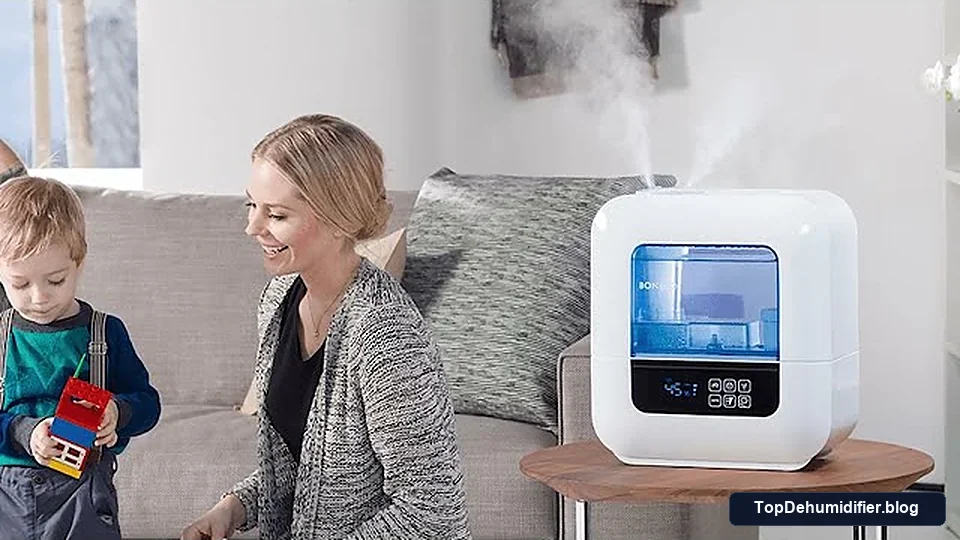
Air purifiers utilize high-velocity fans to force indoor air through dense media filters. They capture microscopic airborne pollutants without altering the absolute water vapor content present in your living environment.
Dehumidifiers use refrigeration coils to condense ambient moisture from the air, dropping surface temperatures below the dew point to extract liquid water directly into an internal bucket or continuous drainage hose.
Air purifiers rely on a forced-air fan system that draws contaminated indoor air through dense physical filter media, trapping airborne particulates while continuously circulating the scrubbed air back into the room environment.
- Refrigeration dehumidifiers utilize evaporator coils to condense moisture directly from humid room air into liquid water.
- Mechanical air purifiers rely on certified particulate filters to capture microscopic spores floating freely in rooms.
Physical Extraction Differences
Understanding how each machine manipulates indoor atmospheric conditions dictates your remediation success. Treating damp spaces requires stopping moisture at the source rather than just filtering the air.
Water removal prevents structural timber decay while filtration merely addresses the existing airborne contamination symptoms currently circulating throughout your home.
- Dehumidifiers physically remove pints of water from porous drywall materials and surrounding air.
- Air purifiers circulate indoor air volumes multiple times hourly without changing water vapor density.
Moisture Control and Relative Humidity
Maintaining indoor relative humidity below fifty percent halts mold spore germination entirely. Dehumidifiers feature adjustable humidistats that monitor ambient moisture levels and trigger automated compressor cycles.
Air purifiers lack hygrometer sensors and provide zero control over ambient humidity levels. Reviewing our basement air purifier options helps you select a proper dual-purpose unit for wet underground rooms.
Maintaining indoor relative humidity below sixty percent actively halts mold germination cycles, preventing fungal colonies from establishing deep root systems within porous building materials, drywall, structural framing, and household carpeting.
While mechanical purifiers capture loose spores drifting through living spaces, they lack the thermodynamic capacity to alter absolute humidity levels, leaving walls and subfloors completely vulnerable to persistent moisture accumulation.
- Built-in humidistats allow precise targeting of safe humidity percentages recommended by building safety standards.
- Uncontrolled indoor humidity will continually fuel new mold colonies despite continuous high-efficiency air filtration.
Hygrometer Integration
Accurate humidity tracking separates proper moisture remediation tools from standard indoor air cleaning appliances. Modern compressor units display exact digital readouts for real-time monitoring.
Without active humidity reduction in damp environments, fungal spores simply settle back onto surfaces and restart colonization cycles.
- Digital humidistats prevent over-drying while maintaining safe structural preservation thresholds.
- Continuous monitoring ensures your living space remains outside dangerous fungal growth parameters.
Fungal Spore Filtration vs Extraction
Air purifiers excel at capturing loose microscopic allergens, including released mold spores and fine dust. High-efficiency particulate air filters trap ninety-nine percent of airborne particles passing through media.
Dehumidifiers stop the root cause by drying out the damp environments mold needs to thrive. They do not capture floating spores as effectively as specialized purifiers equipped with carbon.
True HEPA filtration filters capture 99.97 percent of microscopic airborne particulates down to 0.3 microns, successfully trapping viable mold spores before they can resettle onto untreated household surfaces or get inhaled.
Dehumidifiers do not filter airborne particulates, but by eliminating the ambient moisture required for fungal reproduction, they suppress the primary environmental trigger responsible for creating billions of new spores daily.
- HEPA media captures microscopic fungal fragments that trigger severe respiratory allergic reactions in sensitive occupants.
- Condensation extraction starves existing colonies of the moisture required for sustained biological reproduction.
Particulate Capture Efficiency
Physical filtration catches loose spores before they settle into carpets, upholstery, or drywall cracks. Combining both device types ensures comprehensive air safety during active mold cleanups.
Relying solely on filtration leaves the underlying structural moisture intact, causing continuous spore release from hidden colonies.
- Advanced media filters trap particles down to zero point three microns in diameter.
- Airflow velocity must match room volume to ensure adequate particulate capture rates daily.
Energy Consumption and Electrical Load
Dehumidifiers require substantial electrical power to operate heavy compressors and refrigeration fans continuously. Energy efficiency varies widely across standard pint capacity ratings and modern compressor designs.
Air purifiers consume significantly less electricity because they only power standard brushless electric fan motors. Checking our bedroom air purifier selections reveals models designed for quiet, energy-efficient nighttime operation.
Compressor-based dehumidifiers typically draw between three hundred and seven hundred watts during active extraction cycles, representing a substantial electrical load that varies directly with room temperature and ambient humidity parameters.
Standard residential air purifiers generally consume significantly less power, operating continuously on lower wattages because their internal fan motors push air through media without undergoing intensive thermodynamic phase changes.
- Compressor-based moisture extraction units demand higher wattage ratings during sustained high-humidity operating cycles.
- Standard multi-speed air purifiers offer energy-efficient continuous operation for allergen reduction.
Power Draw Analysis
Balancing electrical operating costs with necessary moisture reduction requires evaluating daily run times carefully. Energy Star certified units help minimize long-term utility expenses in damp basements.
Air purifiers offer low power draws suitable for uninterrupted twenty-four-hour operation across multiple bedrooms.
- High-capacity compressor models require dedicated electrical circuits to prevent tripped household breakers.
- Low-wattage fan motors maintain continuous air circulation without excessive utility cost increases.
Maintenance Requirements and Upkeep
Dehumidifiers demand routine attention, including emptying water collection buckets and cleaning internal condensation coils. Neglecting regular maintenance can lead to stagnant water pooling inside the machine.
Air purifiers require straightforward filter replacements every six to twelve months depending on ambient dust levels. Maintaining clean intake grilles ensures optimal airflow performance and motor longevity.
Dehumidifier upkeep demands regular water reservoir sanitation, gravity drain line inspections, and periodic cleaning of the washable mesh pre-filters to prevent bacterial growth and maintain optimal airflow across cold evaporator coils.
Air purifiers require strict adherence to filter replacement schedules, usually swapping out carbon layers and true particle media every six to twelve months to avoid motor strain and maintain rated clean air delivery rates.
- Drain bucket sanitation prevents bacterial growth inside the primary water collection reservoir.
- Periodic vacuuming of pre-filters extends the operational lifespan of expensive replacement HEPA cartridges.
Routine Service Protocols
Establishing a consistent maintenance schedule prevents mechanical failures and maintains peak appliance efficiency year-round. Regular coil brushing keeps heat transfer mechanisms operating at optimal efficiency levels.
Filter replacement schedules protect indoor air quality without requiring complex technical servicing or tools.
- Gravity drainage hoses eliminate manual bucket emptying in high-moisture subterranean spaces.
- Scheduled filter changes maintain manufacturer-specified clean air delivery rates across all speeds.
Spatial Coverage and Placement Dynamics
Proper placement dictates whether your moisture control strategy successfully prevents fungal outbreaks. Dehumidifiers must sit centrally in damp areas with unblocked airflow around intake grilles.
Air purifiers perform best when positioned to intercept airborne pollutants before they reach human breathing zones. Correct room sizing prevents motor strain and ensures thorough pollutant capture.
Proper dehumidifier placement requires central room positioning with adequate clearance around intake grilles. Evaluating our dehumidifier and air purifier combos helps you find all-in-one appliances that save valuable floor space.
Air purifiers function best when placed away from walls and corners, ensuring unobstructed airflow patterns that allow the motorized fan unit to process the entire volume of room air multiple times per hour.
- Square footage ratings guide proper machine selection for basements, crawlspaces, and living rooms.
- Wall clearances ensure unrestricted intake airflow for both refrigeration coils and filtration media.
Optimizing Placement Layouts
Strategic positioning maximizes the effective coverage area of heavy remediation equipment inside enclosed spaces. Placing units away from corners promotes better circulation and moisture extraction.
Restricted airflow reduces overall extraction efficiency and leaves remote room corners vulnerable to dampness.
- Central room placement improves overall moisture extraction efficiency across damp surfaces.
- Elevating units slightly off concrete floors enhances ambient airflow and drainage access.
Choosing the Right Tool for Remediation
Selecting between these appliances depends entirely on whether your primary issue is high humidity or airborne spores. Combining both devices provides the ultimate defense against stubborn household mold infestations.
Address moisture problems first with a powerful dehumidifier before deploying air purifiers to catch remaining airborne debris. This methodical approach ensures lasting indoor environmental safety and health.
Select a dehumidifier when addressing active water leaks or condensation problems, because removing moisture sources stops mold growth. Exploring our best dehumidifier for mold guide highlights units engineered specifically to eradicate fungal threats.
Deploy an air purifier alongside moisture control measures when occupants suffer from severe allergies, ensuring that lingering airborne fragments and historical spores are successfully scrubbed from the indoor breathing zone.
- Prioritize dehumidification whenever relative humidity exceeds recommended indoor structural safety thresholds.
- Deploy air filtration units to clear lingering spores after physical mold cleaning is completed.
Comprehensive Remediation Strategy
Effective mold management requires attacking both the moisture source and the floating particulate contamination. Using matched technologies protects your home environment from future fungal damage.
Consulting professional building guidelines helps determine exact capacity requirements for your specific layout.
- Targeted moisture removal stops active fungal colonization at the structural level.
- Advanced air purification safeguards respiratory health during and after remediation work.
Frequently Asked Questions
Will an air purifier kill existing mold growing on my walls?
No, air purifiers only capture airborne spores and cannot eliminate the underlying moisture causing surface growth. You must physically clean the affected area and reduce humidity.
Can a dehumidifier remove mold spores floating in the air?
Dehumidifiers reduce the humidity that allows mold to reproduce, but they lack specialized HEPA filtration media to capture airborne spores effectively. Use an air purifier alongside your dehumidifier.
What is the ideal indoor humidity level to prevent mold?
Maintaining your indoor relative humidity between thirty and fifty percent effectively prevents mold spores from germinating on household surfaces. Use a hygrometer to monitor levels.
Do I need both appliances for a damp basement?
Yes, using both ensures complete protection by running a dehumidifier to stop moisture and an air purifier to trap floating allergens circulating in the space.
How often should I replace filters in my mold air purifier?
Standard high-efficiency particulate filters require replacement every six to twelve months depending on operating hours and ambient dust loads present in your home.