Dehumidifier vs Air Conditioner For Humidity Control
Balancing indoor moisture requires understanding how thermal appliances process latent heat differently. Choosing the right unit protects building materials and indoor air quality.

Choose a dedicated dehumidifier for damp, unconditioned basements requiring precise moisture extraction. Pick an air conditioner when simultaneous cooling and moderate humidity reduction are required during peak summer months.
Compare all top models in our Best Dehumidifier: Top Picks for Healthy Indoor Air.
Side-by-Side Breakdown
| Criteria | Dehumidifier | Air Conditioner For Humidity Control | Edge |
|---|---|---|---|
| Core Design / Build | Optimized single-box refrigeration loop for latent heat removal. | Dual-compartment system venting sensible heat outdoors. | Dehumidifier |
| Real-World Performance | Extracts up to 50 pints daily without dropping ambient temperatures. | Removes moisture passively as a byproduct of sensible cooling. | Dehumidifier |
| Ease of Setup & Use | Plug-and-play freestanding layout with continuous gravity drainage hoses. | Requires window kits, wall sleeves, or permanent ductwork installation. | Dehumidifier |
| Durability & Reliability | Designed for continuous high-humidity operation in harsh basement environments. | Engineered primarily for sensible thermal comfort over seasonal spans. | Tie |
| Efficiency / Operating Footprint | High energy factor using internal compressor heat recycling. | Consumes heavy wattage to cool and dehumidify simultaneously. | Dehumidifier |
| Maintenance Requirements | Biannual filter washing and bucket emptying or pump checks. | Frequent condensate pan sanitization and outdoor coil cleanings. | Dehumidifier |
| Best Ideal Use Case | Unheated crawlspaces, damp basements, and shoulder seasons. | Warm, humid living spaces requiring strict temperature control. | Split |
Core Design and Engineering Differences
Dedicated moisture extraction units route air through a single compact chassis containing both evaporator and condenser coils. This layout allows the appliance to return dry air at roughly the same temperature it entered.
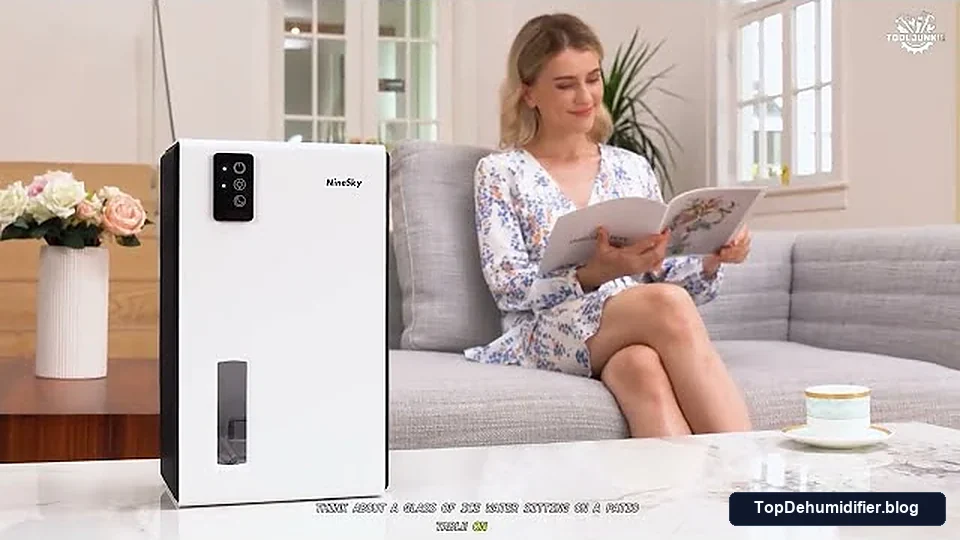
Conversely, split or portable cooling systems separate thermal components across a physical barrier. The evaporator sits indoors absorbing latent moisture while the condenser rejects sensible heat outdoors to lower ambient room temperatures.
Dehumidifiers feature a compact layout housing both refrigeration coils in close proximity. Consult our best dehumidifier and air purifier for bedroom choices to see which localized airflow design extracts moisture condensation efficiently.
Conversely, air conditioners split their refrigeration cycle between indoor air handlers and outdoor compressor units. This structural separation exhausts unwanted thermal energy outside, preventing indoor temperature elevation while managing ambient relative humidity levels.
- Dehumidifiers utilize a single-room airflow path containing back-to-back refrigeration coils.
- Air conditioners split heat rejection outside through insulated ducting or exterior compressor housings.
- Compressor sizing scales differently based on whether sensible cooling or latent extraction is prioritized.
Refrigeration Loop Mechanics
Both appliances lower surface temperatures below the dew point to condense atmospheric moisture. However, refrigeration circuits are calibrated differently to optimize either sensible cooling capacity or raw water removal rates.
A dedicated moisture extractor reuses internal condenser heat to warm exhaust air slightly. This thermodynamic quirk prevents over-cooling small spaces while maintaining high daily pint extraction metrics.
- Evaporator coil temperatures dictate the rate of moisture condensation on finned surfaces.
- Reheat condensers ensure discharge air matches room temperature during operation.
Thermodynamic Extraction Principles
Understanding thermodynamics clarifies why cooling units struggle to control moisture during cool weather. When indoor temperatures drop below normal thresholds, cooling compressors short-cycle and fail to extract adequate ambient humidity.
Stand-alone moisture extraction units operate independently of room temperature setpoints. Review our ideal humidity settings guide to ensure target relative humidity percentages are safely achieved within enclosed living spaces.
Refrigerative dehumidification relies on dropping surface temperatures below the local dew point to induce condensation. The internal compressor circulates refrigerant that chills the evaporator coil, forcing water vapor out of passing air streams via latent heat transfer.
Air conditioners execute a nearly identical thermodynamic extraction cycle but reject the recovered heat outdoors. By discharging heat through exterior condenser coils, the system delivers simultaneous sensible cooling and sensible heat reduction alongside dehumidification.
- Cooling appliances require warm ambient loads to maintain continuous compressor operation.
- Moisture extractors function effectively down to lower operational temperature thresholds.
- Latent heat removal efficiency depends heavily on entering relative humidity levels.
Sensible Versus Latent Heat Loads
Sensible heat alters the dry-bulb thermometer reading inside a room. Latent heat refers to invisible moisture vapor suspended in the air that elevates human discomfort and promotes structural mold growth.
Cooling systems must balance both loads simultaneously to prevent clammy conditions. When oversized, they chill the room quickly without extracting sufficient moisture from the saturated air.
- Oversized cooling equipment creates cold, damp conditions through rapid short-cycling.
- Dedicated moisture units target latent loads directly without altering sensible room temperature.
Real-World Performance Comparison
Field testing reveals distinct behavioral differences between these moisture control methods. In damp, unconditioned basements, standard cooling units make the space freezing cold while leaving relative humidity stubbornly high.
Dedicated extraction appliances reliably pull gallons of water from ambient air daily. Explore our best dehumidifier for basement selections to maintain stable relative humidity targets without requiring homeowners to freeze.
Standalone dehumidifiers excel in unconditioned basements or crawl spaces where maintaining exact thermal comfort is secondary to controlling moisture. They process lower air volumes continuously, preventing structural dampness without triggering over-cooling cycles during shoulder seasons.
Central air conditioning systems dominate large, occupied living zones by moving high volumes of air quickly. However, oversized units can cycle too rapidly, dropping air temperature before sufficient moisture removal occurs across the evaporator.
- Basement installations require dedicated moisture extraction to prevent chilly, damp conditions.
- Living room setups benefit from simultaneous cooling and humidity reduction during summer.
- Extraction rates drop significantly when ambient relative humidity falls below fifty percent.
Capacity Ratings and Sizing Metrics
Manufacturers rate moisture extraction appliances by pints removed over a twenty-four-hour test cycle. Cooling units use British Thermal Units to measure total heat removal across identical operational periods.
Matching equipment capacity to square footage prevents mold proliferation and excessive power consumption. Undersized units run continuously while oversized models fail to cycle long enough for proper dehumidification.
- Pint capacity ratings correspond directly to severe, moderate, or damp room conditions.
- BTU ratings determine sensible cooling power rather than direct moisture extraction volume.
Energy Efficiency and Power Footprint
Operating heavy compressors impacts monthly utility bills significantly across both equipment types. Dedicated moisture extractors generally consume fewer watts because they do not need to move large volumes of sensible heat outdoors.
Cooling systems draw massive startup amperages to drive large fan motors and heavy-duty compressors. Running them solely for humidity control during mild weather represents an inefficient use of electrical power.
Operating a standalone dehumidifier typically consumes between three hundred and seven hundred watts continuously. Because all mechanical work stays indoors, this wattage eventually converts into sensible heat, slightly raising the room temperature during operation.
Air conditioning units demand significantly higher electrical loads, frequently exceeding fifteen hundred watts depending on tonnage. Their split-system design ensures high electrical efficiency per square foot when managing peak cooling loads during hot summer afternoons.
- Energy Factor metrics measure water removal volume per kilowatt-hour of consumed electricity.
- Continuous compressor operation demands reliable dedicated electrical circuits to prevent tripped breakers.
- Inverter-driven compressors improve partial-load efficiency in modern climate control hardware.
Electrical Requirements and Wattage
Most residential moisture units plug easily into standard household electrical outlets without modifications. Larger whole-house systems require dedicated wiring and professional installation by licensed electricians.
Evaluating running wattage helps homeowners minimize long-term operational expenses during humid seasons. Choosing appropriately sized equipment prevents unnecessary electrical strain on residential distribution panels.
- Standard portable units operate safely on fifteen-amp residential branch circuits.
- Heavy cooling hardware often demands higher voltage supplies or dedicated breaker slots.
Maintenance Protocols and Longevity
Consistent upkeep ensures reliable moisture management and extends equipment operational lifespans. Air filters require washing every two weeks to maintain unobstructed airflow across delicate aluminum evaporator coils.
Neglecting routine maintenance leads to frost accumulation, compressor overheating, and bacterial slime growth inside condensate trays. Regular sanitization protects indoor air quality and prevents mechanical breakdowns during peak seasons.
Dehumidifiers require regular basin sanitization, filter vacuuming, and annual coil inspections to maintain optimal airflow ratings. Neglecting these maintenance protocols fosters mold growth within the collection reservoir and reduces evaporator efficiency.
Air conditioning systems demand professional servicing, including refrigerant pressure checks and condensate drain line flushing. Keeping condensate lines clear prevents catastrophic water backups and preserves the sealed compressor lifespan across years of service.
- Mesh air filters demand routine washing with mild soap and warm water.
- Condensate drain lines require periodic flushing with vinegar solutions to prevent clogs.
- Internal coils benefit from professional annual coil cleanings using specialized cleaners.
Drainage Systems and Overflow Prevention
Manual water bucket emptying becomes tedious during periods of high humidity. Connecting gravity drain hoses or internal condensate pumps automates moisture disposal for unattended basement operation.
Float switches provide essential safety protection by shutting off compressors before overflow occurs. Homeowners should test these mechanical safety switches seasonally to avoid catastrophic water damage.
- Gravity drainage eliminates manual bucket emptying chores in permanent locations.
- Internal condensate pumps lift extracted water vertically to distant utility sinks.
Climate and Seasonal Suitability
Geographic climate variations dictate which humidity management strategy works most effectively. Humid subtropical regions demand robust cooling systems capable of managing massive sensible and latent heat loads simultaneously.
Temperate zones with damp winters and cool springs require dedicated extraction appliances. These units manage moisture effectively when outdoor temperatures are too low for safe cooling operation.
Dehumidifiers perform best in damp, temperate climates where humidity remains high despite cool outdoor temperatures. They provide targeted moisture control without chilling the living space below comfortable human thresholds during spring and autumn.
Air conditioners are engineered primarily for hot, humid geographical regions where high ambient temperatures demand continuous sensible cooling. They struggle to control relative humidity effectively when outdoor temperatures drop below sixty degrees Fahrenheit.
- Subtropical climates require year-round cooling and aggressive moisture removal capabilities.
- Cool coastal environments need targeted extraction to combat persistent morning fog.
- Shoulder seasons expose the limitations of relying exclusively on cooling equipment.
Shoulder Season Challenges
Spring and autumn bring high humidity without high outdoor temperatures. Cooling systems cannot run effectively because indoor spaces become uncomfortably cold before extracting sufficient moisture from the air.
Dedicated moisture extractors bridge this seasonal gap by removing dampness without lowering room temperatures. This keeps living environments comfortable without requiring auxiliary heating appliances.
- Spring humidity creates damp indoor conditions despite pleasant outdoor weather.
- Dedicated extractors provide optimal moisture control during cool transitional months.
Selecting the Optimal Humidity System
Choosing between these appliances depends on evaluating your specific room conditions. Measure ambient temperatures and relative humidity percentages using a reliable digital hygrometer before purchasing equipment.
If your primary issue is excessive warmth alongside high humidity, select a cooling system. When battling persistent dampness in cool basements, invest in a dedicated moisture extraction unit.
Selecting the correct system requires calculating room square footage and reviewing our best dehumidifier and air purifier for basement options. Damp subterranean areas demand dedicated moisture extraction units.
Balancing initial equipment investment against daily energy consumption ensures long-term operational satisfaction. Integrating both technologies correctly creates a balanced indoor climate that protects building materials and guarantees ultimate occupant comfort.
- Measure baseline relative humidity using a calibrated digital hygrometer.
- Assess seasonal temperature fluctuations before committing to permanent installations.
- Consult local HVAC professionals for whole-house humidity integration strategies.
Cost and Value Considerations
Initial equipment acquisition costs vary widely based on capacity and installation complexity. Stand-alone moisture units offer budget-friendly portability while cooling systems require higher upfront investments.
Weighing utility consumption against equipment lifespan ensures optimal long-term value. Selecting the correct appliance protects structural integrity and enhances everyday indoor comfort.
- Portable extractors provide economical spot-treatment for problematic basement zones.
- Integrated cooling systems offer comprehensive whole-home temperature and humidity control.
Frequently Asked Questions
Can an air conditioner replace a dedicated dehumidifier entirely?
An air conditioner works well during hot summer months by removing moisture as a cooling byproduct. However, it fails to control humidity during cool spring and autumn seasons because it over-cools the living space.
Why does my basement feel clammy even when my cooling system runs?
Basement masonry remains naturally cool, causing cooling systems to short-cycle without extracting adequate moisture. Installing a dedicated dehumidifier resolves this issue by pulling latent humidity directly from stagnant air.
Which appliance consumes more electricity during continuous daily operation?
Cooling systems generally consume significantly more wattage because they move massive sensible heat loads outdoors. Dedicated moisture extractors utilize efficient single-chassis refrigeration loops that draw lower overall operating power.
How do I determine the correct moisture extraction capacity for my space?
Calculate capacity needs based on total square footage and current dampness severity levels. Manufacturers provide specific pint ratings designed for moderately damp rooms versus extremely wet subterranean environments.
What maintenance steps prevent mold growth inside drainage components?
Wash collection buckets and mesh air filters biweekly using mild soapy water solutions. Flushing condensate drain hoses with white vinegar prevents biological slime buildup and ensures continuous, trouble-free drainage.