Dehumidifier vs Humidifier For Winter: Technical Verdict
Balancing indoor humidity during cold months requires understanding opposing thermodynamic systems. Choosing the right appliance protects structural integrity and respiratory health.

Select a dehumidifier if tight winter sealing traps excess moisture and condensation. Choose a humidifier when dry heating systems cause mucosal irritation and static electricity.
Compare all top models in our Best Dehumidifier: Top Picks for Healthy Indoor Air.
Side-by-Side Breakdown
| Criteria | Dehumidifier | Humidifier For Winter | Edge |
|---|---|---|---|
| Core Design / Build | Refrigeration coils and compressor | Ultrasonic transducers or evaporative wicks | Dependent on climate |
| Real-World Performance | Extracts excess vapor from air | Adds moisture vapor into living spaces | Dependent on climate |
| Ease of Setup & Use | Continuous drain hose and humidistat | Reservoir refills and hygrometer monitoring | Tie |
| Durability & Reliability | Heavy compressor lifespan of 5-8 years | Wick and transducer maintenance dependent | Dehumidifier |
| Efficiency / Operating Footprint | Higher wattage draw around 300-700W | Lower power consumption under 100W | Humidifier For Winter |
| Maintenance Requirements | Regular bucket emptying and coil cleaning | Daily refilling and antimicrobial cleaning | Tie |
| Best Ideal Use Case | Basements and damp sealed winter homes | Dry bedrooms heated by forced air | Dependent on climate |
Core Design & Engineering Differences
Understanding how these two opposing climate control devices operate prevents costly indoor humidity errors. Both systems alter ambient water vapor concentrations using vastly different internal engineering architectures.
A standard refrigerant dehumidifier pulls moist air across cold evaporator coils. Choosing options from our best dehumidifier for basement selection extracts liquid water into an internal bucket safely.
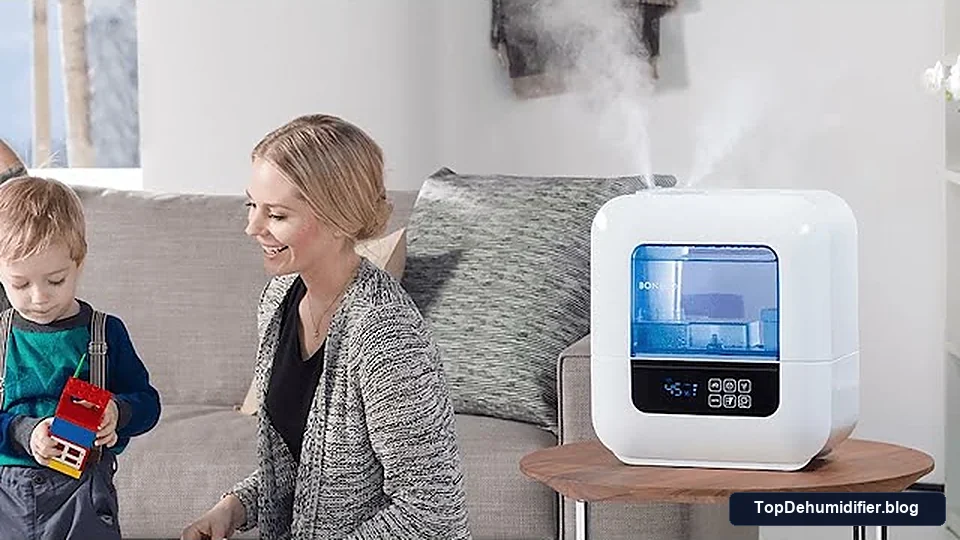
Conversely, winter humidifiers inject water vapor into dry indoor spaces. Systems use either high-frequency ultrasonic vibrations or evaporative wicks to disperse moisture across heated rooms.
Dehumidifiers use a refrigerated compressor loop to condense ambient moisture over cold evaporator coils before reheating air via the condenser. This thermodynamic cycle effectively drops relative humidity inside sealed residential living spaces.
Conversely, evaporative or ultrasonic humidifiers introduce water vapor into dry winter air through atomizing disks or wicking filters. These mechanical systems elevate indoor moisture levels to prevent static shock and mucosal irritation.
Internal engineering materials also differ significantly, requiring corrosion-resistant copper tubing in dehumidifiers and mineral-resistant plastics in humidifiers. Understanding these material choices prevents premature mechanical failure during heavy seasonal operation cycles.
- Dehumidifiers condense airborne moisture using refrigeration cycles.
- Humidifiers evaporate water into dry air streams.
- Both units rely on accurate internal humidistat sensors.
Thermodynamic Principles
Dehumidifiers lower relative humidity by dropping air temperature below the dew point. Water droplets collect on cold metal fins and drain away safely.
Winter humidifiers raise relative humidity by introducing latent heat and moisture. This counters the extreme drying effects of modern residential furnaces.
- Dehumidification removes latent heat from indoor air.
- Humidification requires energy to phase-change liquid water.
Real-World Performance Comparison in Cold Weather
Cold winter weather radically changes how appliances perform inside tightly sealed residences. Reviewing our best dehumidifier for winter use guide helps you select models built to handle stubborn window condensation.
When homes are tightly insulated against winter freezes, normal household activities trap moisture inside. Cooking, showers, and breathing elevate indoor relative humidity far above safe thresholds.
In contrast, running fossil-fuel or electric furnaces strips moisture from indoor air. This causes relative humidity levels to plummet into uncomfortable ranges below thirty percent.
Standard compressor dehumidifiers struggle immensely when ambient temperatures drop below sixty-five Fahrenheit due to rapid evaporator coil frosting. Without automatic defrost cycles, ice blankets the coils, halting all moisture extraction.
Humidifiers operate reliably in cold weather because they rely on thermal evaporation or high-frequency ultrasonic vibration rather than refrigeration. They continuously pump moisture indoors regardless of outdoor subfreezing temperatures affecting your exterior walls.
Winter heating systems naturally dry indoor air, making dehumidifiers largely unnecessary unless you manage specific spaces like damp basements or crawlspaces. Matching device capability to thermal zone requirements ensures optimal seasonal performance.
- Tight winter construction traps indoor moisture effectively.
- Furnaces aggressively dry out enclosed residential living spaces.
- Basements often need dehumidification even during freezing weather.
Cold Climate Operating Challenges
Standard compressor dehumidifiers struggle when ambient temperatures drop below sixty degrees Fahrenheit. Frost accumulation on coils requires automatic defrost cycles to maintain efficiency.
Winter humidifiers face mineral scaling issues caused by hard tap water. White dust settles across furniture unless demineralization cartridges are replaced routinely.
- Refrigerant units risk coil freezing in cold rooms.
- Ultrasonic units disperse mineral dust into living areas.
Electrical Efficiency and Power Consumption
Energy consumption remains a major operational factor when running climate appliances continuously through winter months. Electrical footprints vary dramatically between these two distinct equipment classes.
Dehumidifiers house heavy compressors and fan motors requiring substantial electrical wattage. Operating a large compressor unit can significantly increase monthly utility bills.
Winter humidifiers consume significantly less electricity during standard daily operations. Ultrasonic and evaporative models generally operate on low-voltage draws well under one hundred watts.
Dehumidifiers typically consume between three hundred and seven hundred watts during active compressor operation. This substantial electrical load reflects the heavy work required to run compressors and internal exhaust fans continuously.
Ultrasonic and evaporative humidifiers demand far less electricity, usually operating between thirty and one hundred watts. Warm-mist variations consume more power due to internal heating elements designed to boil water before vaporizing.
Monitoring your household energy usage during winter helps balance appliance loads and prevent circuit overloads. Selecting energy-efficient models with Energy Star certification minimizes utility cost spikes during peak heating and drying months.
- Dehumidifiers demand higher wattage due to compressor loads.
- Humidifiers offer low electrical draw for continuous running.
- Energy Star ratings help identify efficient dehumidifier models.
Optimizing Power Usage
Plugging a high-draw unit from our best dehumidifier for bedroom roundup into dedicated circuits prevents electrical overloads. Always avoid daisy-chaining heavy compressors with standard extension cords.
Positioning humidifiers in central open spaces maximizes vapor distribution efficiency. This reduces the total runtime needed to maintain comfortable indoor humidity levels.
- Use dedicated wall outlets for heavy compressor units.
- Place humidifiers where air circulation is strong.
Indoor Air Quality and Structural Health
Managing indoor moisture directly impacts structural building materials and human respiratory health. Excessive dampness invites mold colonization behind winter wall cavities.
Maintaining proper humidity prevents wood warping and peeling paint. Exploring our best dehumidifier for bathroom list safeguards your residential investment against aggressive structural rot.
Conversely, severely dry winter air irritates nasal passages and compromises mucous membranes. Adding moisture protects wooden furniture from cracking while improving breathing comfort.
Excess winter humidity trapped by weather-stripped windows triggers condensation on cold glass panes, fostering hazardous mold growth. Dehumidifiers mitigate this structural risk by maintaining healthy humidity thresholds between thirty and fifty percent.
Over-humidification from poorly calibrated humidifiers warps hardwood flooring and peels wallpaper by driving indoor moisture above sixty percent. Maintaining precise hygrometer monitoring protects your home structure from hidden moisture damage.
Respiratory health depends on balanced air moisture, as overly dry air dries nasal passages while damp air harbors dust mites. Proper equipment usage maintains optimal indoor air quality throughout harsh winter conditions.
- Dehumidifiers prevent black mold and structural wood rot.
- Humidifiers alleviate dry winter coughs and bloody noses.
- Both devices protect indoor air quality if managed correctly.
Health and Safety Standards
Medical guidelines recommend keeping indoor relative humidity between thirty and fifty percent. Exceeding this window triggers dust mite proliferation and respiratory distress.
Falling below thirty percent dries out skin barriers and increases susceptibility to airborne winter viruses. Targeted appliance usage keeps homes within safe biological parameters.
- Keep humidity between thirty and fifty percent.
- Avoid extremes that promote mold or virus survival.
Maintenance, Hygiene, and Long-Term Longevity
Regular maintenance ensures your climate control equipment operates safely throughout the winter season. Neglecting routine hygiene creates breeding grounds for harmful bacteria and mineral buildup.
Dehumidifiers require frequent bucket emptying, filter vacuuming, and coil sanitation. Using continuous drain hoses eliminates manual bucket management in damp basements.
Winter humidifiers demand rigorous daily cleaning to prevent stagnant water contamination. Microbes in uncleaned reservoirs easily aerosolize into the breathing zone.
Dehumidifiers require regular filter washing and condensate bucket sanitization to prevent bacterial buildup and mold spores. Inspecting internal drainage hoses prevents overflow water damage in finished basements and utility rooms.
Humidifiers demand even stricter hygiene protocols, including daily tank scrubbing and weekly descaling to eliminate mineral crust. Neglecting these maintenance steps breeds harmful microbial pathogens that circulate directly into your breathing zone.
Utilizing distilled water in ultrasonic units prevents white dust accumulation and extends piezoelectric transducer lifespan significantly. Routine maintenance schedules guarantee extended mechanical longevity for all seasonal climate control equipment.
- Clean dehumidifier collection buckets and air filters monthly.
- Disinfect humidifier water reservoirs to stop bacteria growth.
- Replace worn evaporator wicks and filters annually.
Preventative Equipment Care
Inspect mechanical seals and drain connections before winter moisture peaks. Catching minor leaks early prevents costly water damage to flooring and drywall.
Store appliances clean and dry when seasonal weather shifts. Proper off-season storage extends the mechanical lifespan of motors and electronic control boards.
- Check internal hoses for cracks and mineral clogs.
- Store units dry during opposing weather seasons.
Choosing the Right Device for Your Climate
Selecting the correct appliance depends entirely on your specific regional climate and home construction. Never guess your indoor conditions; always verify levels with a calibrated digital hygrometer.
Invest in a dehumidifier if your winter home suffers from foggy windows, musty odors, and damp basements. Modern homes with tight vapor barriers frequently trap excess indoor humidity.
Purchase a humidifier if forced-air heating leaves your skin cracked and throat dry. Balancing your indoor environment ensures maximum comfort and structural preservation all winter long.
Coastal winter climates with persistent dampness require robust dehumidifiers to protect structural framing from rot and decay. Assessing regional weather patterns determines whether you need moisture extraction or added humidity.
Arid continental winters featuring freezing temperatures and indoor heating demand reliable humidifiers to maintain respiratory comfort. Installing proper hygrometers guides your selection based on actual room measurements rather than guesswork.
Evaluate your home layout, regional dew points, and existing HVAC ventilation before purchasing either climate control device. Making an informed technical choice ensures balanced indoor humidity year-round without wasting electricity.
- Measure indoor humidity with a reliable digital hygrometer.
- Match appliance choice directly to your baseline readings.
- Prioritize safety and air quality in tightly sealed homes.
Making Your Final Decision
Assess each room individually before deploying climate control hardware. Basements and main living areas often require completely opposite moisture management strategies.
Consult professional HVAC guidelines if your home experiences chronic humidity swings. Proper balancing protects your family and your property investment.
- Evaluate rooms individually for specific humidity needs.
- Consult HVAC experts for persistent moisture imbalances.
Frequently Asked Questions
Can I use a dehumidifier in a cold winter garage?
Standard compressor units struggle when temperatures drop below sixty degrees Fahrenheit. You may need a specialized desiccant dehumidifier for unheated winter spaces.
Why is my winter home so dry despite snow outside?
Cold exterior air holds very little moisture naturally. When heating systems warm this cold air indoors, the relative humidity plummets drastically.
Do I need a humidifier and a dehumidifier at the same time?
Usually no, because their functions directly oppose each other. However, multi-level homes occasionally require humidification upstairs and dehumidification in the basement.
How do I know if my winter home has too much humidity?
Look for condensation pooling on double-pane windows and musty basement odors. A digital hygrometer confirms if levels exceed the fifty percent threshold.
Are ultrasonic humidifiers better than evaporative models for winter?
Ultrasonic units run silently and produce fine mists very efficiently. Evaporative models naturally resist mineral dust but require regular wick replacements.