Humidifier vs Dehumidifier For Cold: Concise Verdict
Choosing between adding moisture or removing it during cold weather dictates indoor comfort. Understanding these mechanical opposites prevents structural damage and respiratory irritation.

Choose a standard humidifier if winter heating dries out your nasal passages and skin. Select a specialized cold-climate dehumidifier if freezing basement temperatures generate window condensation and stagnant moisture.
Compare all top models in our Best Dehumidifier: Top Picks for Healthy Indoor Air.
Side-by-Side Breakdown
| Criteria | Humidifier | Dehumidifier For Cold | Edge |
|---|---|---|---|
| Core Design / Build | Utilizes evaporation or ultrasonic vibration. | Employs refrigeration coils and compressors. | Depends on goal |
| Real-World Performance | Raises indoor humidity effectively in heat. | Extracts water even near freezing points. | Dehumidifier For Cold |
| Ease of Setup & Use | Plug and play with manual tank refills. | Requires continuous drainage hose setup. | Humidifier |
| Durability & Reliability | Prone to mineral scale buildup over time. | Built with heavy-duty defrost mechanisms. | Dehumidifier For Cold |
| Efficiency / Operating Footprint | Low energy draw via ultrasonic transducers. | Higher wattage due to compressor cycles. | Humidifier |
| Maintenance Requirements | Frequent tank cleaning to prevent mold. | Coil cleaning and seasonal filter checks. | Dehumidifier For Cold |
| Best Ideal Use Case | Dry winter bedrooms and living spaces. | Unheated winter basements and crawlspaces. | Depends on climate |
Core Design and Engineering Differences
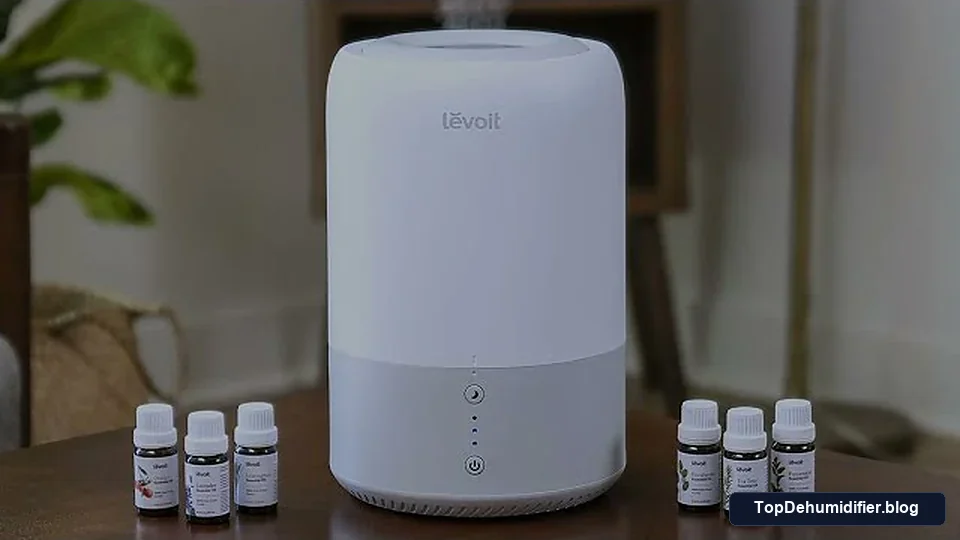
Engineering appliances for contrasting moisture goals requires completely opposite thermodynamic cycles. Humidifiers inject water vapor into arid indoor air streams using heat or high-frequency ultrasonic waves to elevate absolute humidity levels.
Conversely, dehumidifiers pull ambient air across refrigerated metal coils to condense moisture out of suspension. Standard units fail in cold spaces because the extracted water simply freezes solid on internal evaporator surfaces.
Specialized low-temperature models integrate active defrost cycles and hot gas bypass loops. These engineering adjustments allow continuous moisture extraction even when ambient room temperatures drop below standard operational thresholds.
Dehumidifiers use a refrigerated compressor and evaporator coil layout to condense airborne water vapor. Conversely, warm mist humidifiers rely on a submerged heating element to boil water into steam efficiently.
Compressor-based units require a continuous refrigerant loop operating under precise thermodynamic pressures. Meanwhile, ultrasonic humidifiers utilize a vibrating piezoelectric ceramic disc to mechanically disperse cool microscopic water droplets directly into ambient air.
Structural housings must accommodate distinct thermal loads and moisture drainage pathways. Dehumidifiers integrate heavy condensation buckets with internal overflow switches, while humidifiers feature large water reservoirs paired with antimicrobial treatment coatings.
- Humidifiers add moisture via vaporization or fine mist generation.
- Dehumidifiers remove moisture through condensation and refrigeration loops.
- Cold-climate dehumidifiers utilize automated defrost cycles to prevent icing.
Internal Mechanics and Phase Change
The physical phase change dictates how each machine alters your indoor environment. Evaporative units convert liquid water into invisible gas, while refrigeration units force water vapor to condense back into liquid.
Understanding these distinct pathways helps homeowners select equipment capable of handling extreme seasonal temperature swings without burning out critical electronic components or failing to perform.
- Phase change from liquid to gas requires latent thermal energy.
- Condensation releases latent heat back into the treated room space.
Real-World Performance Comparison in Cold Environments
Operating humidity control gear in unheated winter spaces reveals significant performance gaps. Consulting our best rv dehumidifier for cold weather guide ensures you select units designed to handle freezing temperatures.
This ice layer completely blocks airflow and halts moisture removal entirely. Low-temperature dehumidifiers utilize sensors that trigger quick heating cycles to melt accumulated frost before normal operation resumes.
Meanwhile, humidifiers operate reliably in cold rooms but can cause sudden condensation spikes on chilly exterior walls. Balancing these outputs requires careful monitoring of indoor dew points and wall temperatures.
Operating standard refrigerant dehumidifiers in cold basements causes rapid evaporator frosting. Below sixty degrees Fahrenheit, standard units suffer severe capacity drops unless equipped with automatic hot-gas defrost mechanisms for continuous winter operation.
Humidifiers encounter different obstacles when deployed in freezing structural zones. Extreme cold causes rapid condensation against uninsulated exterior windows, forcing humidifiers to elevate indoor relative humidity without triggering localized structural moisture damage.
Balancing absolute humidity levels during winter requires continuous psychrometric monitoring. Dehumidifiers extract excess moisture from damp unheated spaces, whereas humidifiers inject essential moisture to prevent painful mucous membrane irritation caused by dry heat.
- Standard dehumidifiers ice over and stop working below certain temperatures.
- Cold-capable models maintain extraction rates in unheated environments.
- Humidifiers can worsen cold-surface condensation if run too high.
Low-Temperature Operating Limitations
Most consumer dehumidifiers lose effectiveness rapidly once ambient room temperatures drop below sixty degrees. Compressor efficiency declines sharply without specialized low-ambient control packages built into the chassis.
Choosing the correct device prevents wasted electricity and ensures your cold basement stays dry throughout the entire winter season.
- Standard units stall out in chilly basement environments.
- Specialized sensors maintain compressor longevity during winter months.
Maintenance, Efficiency and Longevity
Long-term appliance reliability depends heavily on routine upkeep and operating electrical loads. Humidifiers demand strict sanitation protocols to prevent microbial growth inside stagnant water reservoirs and filter media.
Dehumidifiers require regular air filter washing and occasional coil inspections to maintain optimal airflow rates. Energy consumption varies widely between these two appliances based on compressor versus fan usage.
Investing time in scheduled maintenance extends component lifespan and prevents costly mid-season breakdowns during peak weather extremes when your indoor environment needs protection most.
Dehumidifier longevity depends on regular condenser coil cleaning and checking drainage hoses. When picking quiet units for sleeping spaces, browse our best dehumidifier for bedroom roundup for top low-noise models.
Humidifiers demand rigorous descaling routines to eliminate hard water mineral deposits from the water basin. Ultrasonic transducers require weekly vinegar sterilization to prevent bacterial growth and maintain optimal aerosol mist output rates.
Electrical power consumption varies significantly between these two environmental appliances. Compressor dehumidifiers draw substantial wattage during active extraction cycles, while evaporative humidifiers operate with minimal electrical draw using only a low-wattage fan.
- Humidifiers need weekly tank disinfection to prevent bacteria spread.
- Dehumidifiers require monthly filter cleaning and drainage checks.
- Compressor units draw significantly more power than simple fans.
Energy Draw and Frost Accumulation
Running a heavy-duty compressor in cold spaces increases your monthly utility bills. Active defrost cycles consume extra electricity to melt ice off the evaporator coils during freezing weather conditions.
Balancing energy expenditure against moisture control benefits ensures cost-effective climate management for your home.
- Defrost cycles temporarily spike electrical wattage usage.
- Efficient thermal design minimizes unnecessary power consumption.
Moisture Control Mechanics and Physics
Managing indoor moisture requires understanding psychrometric principles and relative humidity thresholds. Cold air holds significantly less water vapor than warm air, changing how humidity affects your living spaces.
When warm indoor air contacts cold exterior windows, water drops out of the air stream. Relative humidity spikes in unheated zones can trigger extensive structural decay and mold colonization if left unchecked.
Selecting the correct machine restores the necessary balance, keeping relative humidity within healthy ranges to protect both human respiratory health and your home structural integrity.
The physics of dehumidification relies on lowering air temperatures below the local dew point. As moist air contacts cold refrigeration coils, water vapor undergoes phase transition into liquid condensate for permanent collection.
Humidification relies on phase transition in the opposite direction, converting liquid water into vapor. Thermal evaporation uses direct heat energy, whereas mechanical nebulization shatters water surfaces to suspend microscopic droplets directly in air.
Cold air naturally holds significantly less water vapor than warm air. During damp seasons, consulting our best dehumidifier for basement guide helps you select powerful extraction tools for subterranean living areas.
- Cold air has a much lower moisture-holding capacity.
- Window condensation indicates high localized relative humidity.
- Balanced humidity prevents structural rot and respiratory issues.
Dew Point and Relative Humidity Dynamics
The dew point measures the exact temperature at which air becomes fully saturated with water vapor. Monitoring dew points helps determine whether you need a humidifier or a dehumidifier.
Keeping indoor surfaces safely above the dew point prevents damaging condensation from forming on exterior walls and window sills.
- Dew point calculations guide effective moisture management strategies.
- Surface temperature dictates where moisture will condense.
Climate Adaptation and Structural Health
Your local climate zone heavily dictates which moisture control device is truly necessary. Winter heating systems dry out living areas, making humidifiers essential for maintaining comfortable mucous membranes.
Conversely, subterranean spaces like unheated basements trap damp earth moisture that condenses on cold masonry walls. Proper climate matching safeguards your building materials against rot, rust, and fungal growth.
Evaluating your specific regional weather patterns and home construction type ensures you deploy the right engineering solution for optimal year-round indoor air quality.
Building materials react intensely to unmanaged indoor humidity fluctuations during freezing weather conditions. Excess indoor moisture causes hidden condensation inside wall cavities, fostering dangerous mold colonies and structural wood rot degradation.
Conversely, overly dry winter air causes hardwood flooring planks to shrink, warp, and develop severe structural cracks. Deploying a regulated humidifier stabilizes ambient moisture levels to protect fine wood furniture integrity.
Regional climate dictates whether your home requires moisture extraction or addition during winter months. Coastal regions need aggressive dehumidification, whereas arid northern climates demand steady humidification to ensure optimal indoor climate control.
- Heated upper floors typically require added moisture in winter.
- Unheated foundations often need aggressive moisture extraction.
- Proper matching protects framing lumber from moisture damage.
Preventing Condensation on Thermal Bridges
Thermal bridges allow outdoor coldness to penetrate directly into interior living spaces. Metal framing elements and uninsulated concrete foundations create localized cold spots where moisture rapidly accumulates.
Deploying a cold-climate dehumidifier prevents standing water and mold blooms in these vulnerable structural zones.
- Thermal bridges drop local surface temperatures significantly.
- Targeted drying prevents hidden mold behind basement drywall.
Which Option Fits Your Setup
Choosing between these opposing appliances comes down to measuring your current indoor humidity levels. If your winter hygrometer reads below thirty percent, a standard humidifier provides immediate relief.
If you notice peeling paint, musty odors, or frosty windows in unheated rooms, you need a specialized dehumidifier. Assessing room temperature alongside humidity data prevents costly purchasing mistakes.
Matching appliance specifications to your exact spatial requirements guarantees efficient operation and long-term durability across shifting seasonal weather conditions.
Choosing the correct device depends entirely on measured baseline relative humidity readings inside your specific living space. Target an indoor humidity range between thirty and fifty percent to prevent both mold growth and dryness.
If your cold basement smells musty and displays pipe condensation, you need a heavy-duty compressor unit. Review what temperature is too cold for compressor dehumidifiers before installing equipment in unheated spaces.
Select a humidification unit if static electricity shocks occur frequently and household members experience persistent throat dryness. Always verify your room volume matches the manufacturer's specified square footage capacity ratings.
- Low humidity requires ultrasonic or evaporative humidification.
- High cold-room moisture demands a low-temp dehumidifier.
- Accurate hygrometer readings guide your purchasing decision.
Selecting Based on Room Air Properties
Evaluate air temperature and baseline moisture before purchasing any climate control hardware. Targeting specific problem areas ensures you invest in equipment that actually solves your environmental issues.
Consulting technical specifications for operating temperature ranges prevents buying standard units that fail in cold spaces.
- Check manufacturer temperature limits before buying.
- Measure baseline humidity with a reliable digital hygrometer.
Operational Safety and Indoor Air Quality Standards
Maintaining high indoor air quality requires strict adherence to equipment safety and cleanliness standards. Neglected humidifiers easily become breeding grounds for harmful bacteria and mineral dust distribution.
Dehumidifiers must feature reliable auto-shutoff mechanisms and secure drainage hoses to prevent accidental basement floods. Prioritizing electrical safety protects your household from potential short circuits and fire hazards.
Following manufacturer maintenance schedules ensures both appliances operate safely while delivering clean, properly conditioned air throughout your living environment.
Electrical safety standards require dehumidifiers and humidifiers to feature robust circuit protection and grounded power plugs. Modern appliances incorporate automatic shutoff features to prevent dangerous electrical shorts during accidental water overflows.
Indoor air quality heavily depends on proper equipment hygiene to prevent aerosolizing harmful bacterial pathogens. Uncleaned humidifiers can disperse mineral dust and microbes, severely compromising your home's respiratory health standards.
Adhering to ASHRAE guidelines ensures indoor relative humidity remains within safe operational boundaries year-round. Consistent monitoring via a calibrated hygrometer protects occupants from respiratory irritants while maintaining structural building envelope integrity.
- Humidifiers require regular disinfection to stop bacteria growth.
- Dehumidifiers need secure drainage to prevent water damage.
- Electrical safety features protect against unexpected power faults.
Ventilation Requirements and Mold Mitigation
Proper indoor ventilation works hand in hand with your humidity control equipment. Stagnant air pockets trap moisture and foster dangerous mold colonies even when overall humidity seems balanced.
Integrating good airflow practices with your chosen appliance maximizes structural protection and respiratory health.
- Adequate airflow prevents localized moisture accumulation.
- Mold mitigation depends on consistent humidity regulation.
Frequently Asked Questions
Can a standard dehumidifier run in a cold basement?
Standard units usually fail because evaporator coils freeze solid when ambient temperatures drop below sixty degrees Fahrenheit.
Do I need a humidifier during winter heating seasons?
Furnaces dry out indoor air rapidly, so running a humidifier restores comfortable humidity levels and prevents dry nasal passages.
How do cold-climate dehumidifiers prevent coil icing?
Specialized models utilize automated hot gas defrost cycles to melt accumulated ice and maintain continuous moisture extraction performance.
What is the ideal indoor humidity range for winter?
Maintaining indoor relative humidity between thirty and fifty percent prevents mold growth while keeping your skin and airways comfortable.
Can I use both appliances in the same home?
Yes, homes often require a humidifier upstairs for dry bedrooms and a dehumidifier in the basement to control dampness.