Pump vs Gravity Drain Dehumidifiers
Choosing how to remove moisture alters your basement workflow. Internal pumps and gravity drains solve water removal through distinct mechanical pathways.

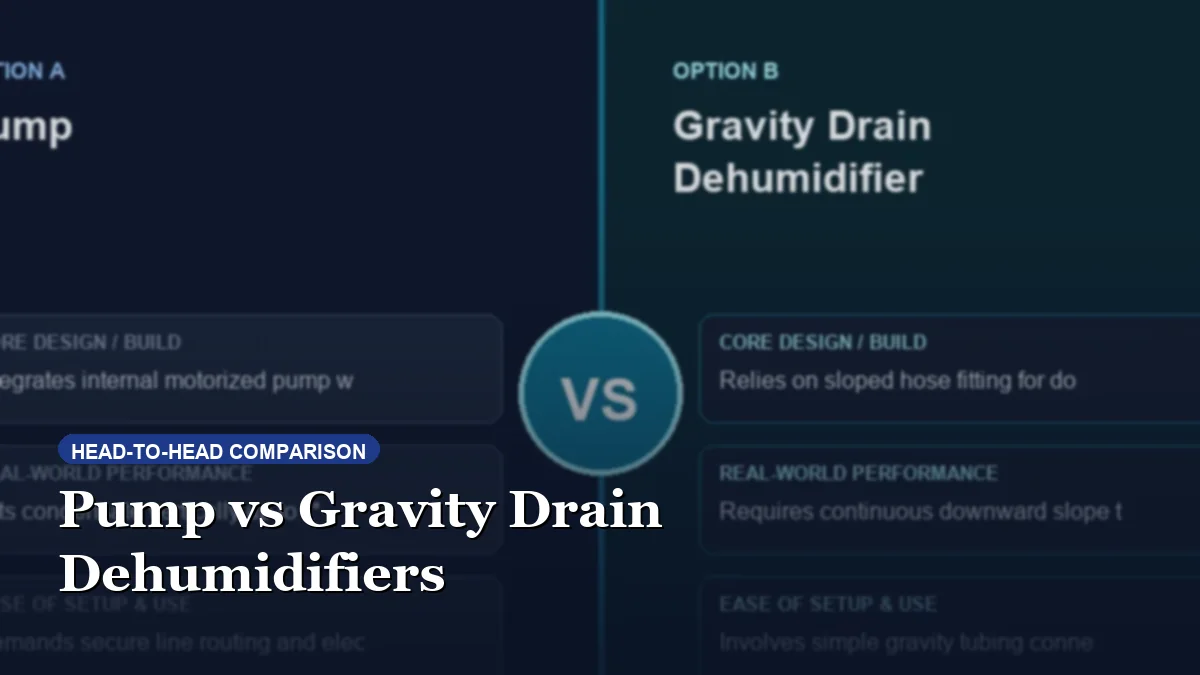
Choose a pump model if lifting water upward to a sink or window is required. Select a gravity drain for uninterrupted downhill flow into floor drains.
Compare all top models in our Best Dehumidifier: Top Picks for Healthy Indoor Air.
Side-by-Side Breakdown
| Criteria | Pump | Gravity Drain Dehumidifier | Edge |
|---|---|---|---|
| Core Design / Build | Integrates internal motorized pump with vinyl tubing | Relies on sloped hose fitting for downhill drainage | Gravity Drain |
| Real-World Performance | Lifts condensate vertically up to fifteen feet | Requires continuous downward slope to function properly | Pump |
| Ease of Setup & Use | Demands secure line routing and electrical clearance | Involves simple gravity tubing connection without power | Gravity Drain |
| Durability & Reliability | Mechanical pump motor introduces another failure point | Passive system lacks moving parts for high longevity | Gravity Drain |
| Efficiency / Operating Footprint | Draws slight extra wattage during active pumping cycles | Zero auxiliary power draw for drainage management | Gravity Drain |
| Maintenance Requirements | Requires periodic hose flushing and basin sanitization | Needs occasional gravity line check for mineral clogs | Gravity Drain |
| Best Ideal Use Case | Basements lacking floor drains or requiring elevated exit | Spaces with direct floor drains or utility sinks | Tie |
Core Engineering Mechanics
Dehumidifiers manage massive volumes of atmospheric moisture daily. Understanding how these machines expel collected water reveals fundamental mechanical differences between internal pumping assemblies and passive drainage options.
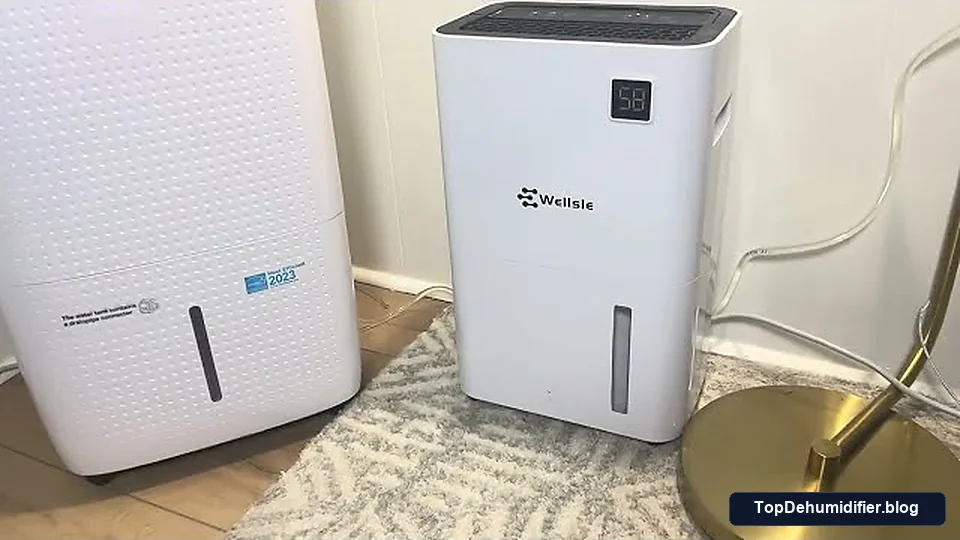
Engineering teams design pump units around small motorized impellers. These mechanisms activate automatically once internal condensate reservoirs reach specified float switch levels.
Conversely, gravity drain models bypass mechanical pumps entirely. They utilize standard threaded drain ports positioned low on the chassis to route water downward.
- Internal pumps utilize pressure switches to trigger evacuation cycles.
- Gravity ports rely strictly on hydrostatic pressure and downward elevation.
- Pump models require reinforced vinyl tubing to withstand vertical head pressure.
Pump Mechanics and Lift Capacity
Internal pumps employ micro-diaphragm or centrifugal mechanisms. These specialized motors generate sufficient force to propel water vertically through narrow clear plastic tubing.
Manufacturers rate these integrated pumps by maximum vertical lift. Exceeding specified height ratings can cause backpressure and premature motor burnout over extended operating seasons.
- Typical vertical lift ratings range from twelve to fifteen feet.
- Narrow internal check valves prevent backflow when the pump deactivates.
Gravity Drain Physics and Flow
Gravity drainage systems operate on basic physical principles. Water flows naturally from higher elevations without requiring electrical energy, which you can learn about in our continuous gravity drain setup guide for optimal performance.
Ensuring a consistent downward slope of at least one inch per foot prevents standing water accumulation inside the corrugated drain line.
- Passive systems eliminate mechanical noise during water evacuation phases.
- Hose diameter sizing impacts flow volume and resistance thresholds significantly.
Real-World Extraction Performance
Environmental conditions dictate how efficiently a dehumidifier extracts moisture from damp air. Both drainage methods maintain identical coil cooling and fan extraction capabilities under standard rating conditions.
Operational differences emerge primarily when placement constraints limit where extracted water can go. Basements lacking accessible floor drains create severe placement hurdles for passive gravity systems.
Active pump dehumidifiers eliminate placement restrictions entirely. Users can position the chassis centrally in a room while routing drain lines toward distant windows or laundry sinks.
- Extraction capacity remains identical between units with identical compressor wattages.
- Pump models prevent operational shutdowns caused by full internal buckets.
- Gravity units demand close proximity to suitable floor-level drainage points.
Overcoming Spatial Obstacles
Basement layouts rarely offer ideal drainage placement right where humidity concentrates. Pump systems bridge this gap by pushing water upward and across complex basement framing.
Routing lines through ceiling joists or along baseboards keeps walkways clear. This structural flexibility prevents tripping hazards associated with low-slung gravity hoses.
- Clear vinyl tubing blends discreetly against standard residential baseboards.
- Overhead routing requires careful securing to prevent line sagging.
Maximizing Passive Flow Rates
Gravity drain configurations demand precise positioning relative to discharge targets. When exploring the best dehumidifier for basement with drain hose options, elevating the appliance improves the overall downward slope angle.
Optimizing this slope ensures rapid water evacuation and prevents sluggish drainage that could trigger internal overflow safety switches during peak summer humidity.
- Sturdy concrete blocks provide excellent height elevation for gravity units.
- Smooth interior hose surfaces reduce frictional drag during heavy drainage.
Setup Ergonomics and Plumbing
Initial installation complexity varies noticeably between these two configurations. Gravity setups require minimal effort beyond attaching a standard garden hose to the threaded outlet nozzle.
Pump units involve slightly more intricate setup procedures. When browsing the best dehumidifier with built in pump choices, technicians must route the supplied plastic drain line securely into an approved receptacle.
Securing the discharge end prevents accidental displacement during high-pressure pumping cycles. Unsecured lines can spray water across finished walls if they slip out of position.
- Gravity installation takes less than five minutes of basic preparation.
- Pump setup requires verifying electrical connections for the auxiliary motor.
- Both systems benefit from thread seal tape to prevent slow weeping leaks.
Hose Selection and Routing
Selecting appropriate tubing material ensures long-term operational reliability. Reinforced vinyl works best for high-pressure pump discharge applications resisting kinking.
Gravity systems accommodate standard garden hoses or flexible plastic tubing. Maintaining a smooth, unkinked path remains essential for unobstructed water flow.
- Standard inner diameters typically measure three-eighths of an inch for pumps.
- Avoid sharp ninety-degree bends that restrict internal fluid movement.
Securing Discharge Terminations
Properly anchoring the discharge end prevents costly water damage incidents. Utility sinks and standpipes offer secure anchoring points for both pump and gravity lines.
Using zip ties or dedicated mounting brackets keeps flexible tubing firmly anchored inside drain openings during unattended multi-day continuous operation cycles.
- Never submerge discharge ends directly into standing wastewater.
- Maintain an air gap to prevent potential back-siphonage contamination risks.
Operational Efficiency and Power Draw
Energy consumption remains a primary consideration for continuous basement dehumidification. Compressors and fans consume the vast majority of electrical power in both design types.
Internal pumps introduce a minor auxiliary power draw during evacuation cycles. This momentary electrical load adds negligible impact to overall monthly utility expenses.
Gravity drain configurations achieve maximum electrical simplicity. Without motorized pumps, they utilize zero auxiliary energy beyond basic refrigeration cycle components.
- Compressor wattage typically ranges from four hundred to seven hundred watts.
- Pump motors draw minimal extra amperage during active pumping phases.
- Standby power consumption stays minimal across all modern digital control boards.
Electrical Load Breakdown
Evaluating appliance efficiency requires examining all active electrical components. While compressors dominate energy usage, pump motors add transient spikes during drainage.
These short pumping intervals typically last under one minute per cycle, ensuring overall daily energy footprints remain nearly identical between comparable models.
- Transient pump motor draws rarely exceed thirty watts of power.
- Total daily runtime depends directly on ambient relative humidity levels.
Minimizing Parasitic Energy Waste
Optimizing humidity settings prevents unnecessary compressor cycling and electrical waste. Setting target humidity levels near fifty percent strikes the ideal efficiency balance.
Using integrated humidistats ensures the appliance shuts down completely once target conditions are met, saving power regardless of drainage configuration.
- Digital humidistats offer superior calibration accuracy over analog dials.
- Proper sizing prevents short-cycling which degrades overall compressor efficiency.
Maintenance Protocols and Longevity
Routine maintenance preserves dehumidifier performance and extends appliance lifespan significantly. Both systems require regular air filter cleaning to maintain proper airflow across evaporator coils.
Drainage maintenance diverges significantly between the two styles. Pump systems demand frequent reservoir sanitization to prevent bacterial growth and algae clogs.
Gravity systems require minimal plumbing upkeep beyond occasional hose inspections. Checking for mineral buildup or biological slime ensures uninterrupted passive drainage flow.
- Wash mesh air filters every two weeks during peak operating seasons.
- Flush pump reservoirs with vinegar solutions quarterly to prevent blockages.
- Inspect gravity hoses annually for cracking or internal sediment accumulation.
Preventing Biofilm and Clogs
Stagnant moisture inside internal pump reservoirs creates ideal conditions for mold growth. Routine cleaning prevents foul odors and float switch sticking failures.
Adding specialized biocide tablets or flushing with diluted vinegar keeps internal basins pristine. This simple habit prevents emergency service calls during humid summer months.
- Biological slime can quickly jam delicate internal float mechanisms.
- Disconnect electrical power before performing any internal cleaning tasks.
Hose Inspection and Replacement
Flexible drainage tubing degrades over years of exposure to water and light. Inspecting lines for brittleness prevents unexpected leaks during heavy extraction cycles.
Replacing worn vinyl tubing every few seasons ensures reliable fluid transfer and protects surrounding flooring from slow, undetected water seepage issues.
- Clear tubing lets users spot internal blockages instantly.
- Keep spare hose clamps handy for secure connection maintenance.
Ideal Deployment Environments
Matching appliance features to specific room layouts ensures long-term user satisfaction. Assessing architectural limitations prevents purchasing a drainage style that requires awkward modifications.
Finished basements with luxury flooring and distant utility sinks benefit immensely from pump dehumidifiers. Reviewing our best basement dehumidifier with pump selections helps you maintain interior design aesthetics easily.
Unfinished crawlspaces or utility rooms with direct floor drains suit gravity models perfectly. Their mechanical simplicity delivers maximum reliability with fewer potential failure points.
- Pump units excel in finished living spaces and central hallways.
- Gravity models thrive in unfinished cellars with nearby floor drains.
- Evaluate local plumbing access before selecting your preferred unit.
Finished Basements and Living Areas
Aesthetics and noise levels matter significantly in finished residential spaces. Pump dehumidifiers allow discreet corner placement while routing water safely upward to utility basins.
Quiet compressor operation combined with hidden drainage lines maintains comfortable living environments without disrupting daily household routines or entertainment areas.
- Acoustic insulation helps dampen compressor vibration on hard floors.
- Concealed tubing preserves clean interior design standards.
Utility Rooms and Crawlspaces
Utility environments prioritize raw functional durability over sleek aesthetics. Gravity drain units deliver dependable performance in harsh, unattended spaces.
Fewer moving parts mean fewer potential breakdown vectors, making passive gravity systems the preferred choice for remote or semi-abandoned foundational structures.
- Rugged chassis construction resists minor impacts and dust accumulation.
- Unattended operation requires reliable gravity flow channels.
Frequently Asked Questions
Can a gravity drain dehumidifier pump water upward?
No, gravity models rely entirely on a continuous downward slope. Users must place them on elevated platforms to achieve proper drainage flow.
How high can an internal pump lift condensate water?
Most residential pump dehumidifiers can lift water up to fifteen feet vertically. Always verify specific manufacturer ratings before routing long discharge lines.
Do pump dehumidifiers require special electrical outlets?
Standard household outlets supply sufficient power for all models. The integrated pump motor draws negligible extra current alongside the main compressor.
Why is regular maintenance crucial for pump units?
Stagnant water breeds biological slime that can jam internal float switches. Routine cleaning with vinegar prevents unexpected overflow malfunctions during humid seasons.
Which drainage style offers better long-term reliability?
Gravity drain models offer higher reliability due to their passive design. Lacking motorized pumps eliminates a primary mechanical failure point over extended service lives.