Quest Dual 105 vs Anden A100 Technical Comparison Guide
These heavy-duty commercial dehumidifiers deliver exceptional moisture removal. Choosing between them depends on your specific facility layout and workflow requirements.

Pick the Quest Dual 105 for superior multi-directional ducting flexibility in tight spaces. Choose the Anden A100 if you need high-capacity removal optimized specifically for cultivation environments.
Compare all top models in our Best Dehumidifier: Top Picks for Healthy Indoor Air.
Side-by-Side Breakdown
| Criteria | Quest Dual 105 | Anden A100 | Edge |
|---|---|---|---|
| Core Design / Build | Compact horizontal chassis with heavy steel framing | Vertical agricultural build with corrosion protection | Quest Dual 105 |
| Real-World Performance | High grain-per-pound efficiency at standard temperatures | Optimized moisture removal for high transpiration loads | Anden A100 |
| Ease of Setup & Use | Multiple hanging and ducting orientation choices | Straightforward floor-standing or suspension options | Quest Dual 105 |
| Durability & Reliability | Commercial-grade refrigeration components and coils | Coated coils designed for harsh grow room chemistry | Anden A100 |
| Efficiency / Operating Footprint | Patented multi-core technology lowers electrical draw | Balanced compressor sizing maximizes energy savings | Quest Dual 105 |
| Maintenance Requirements | Standard MERV filter changes and seasonal coil checks | Routine washing of coated coils and filter replacements | Tie |
| Best Ideal Use Case | Multi-room commercial buildings and tight crawlspaces | Large commercial indoor cultivation and greenhouse setups | Anden A100 |
Facility Environmental Control and Core Engineering
Managing high-humidity environments requires robust engineering standards across all commercial equipment. Both units utilize advanced refrigeration technology to extract moisture effectively while maintaining strict temperature tolerances.
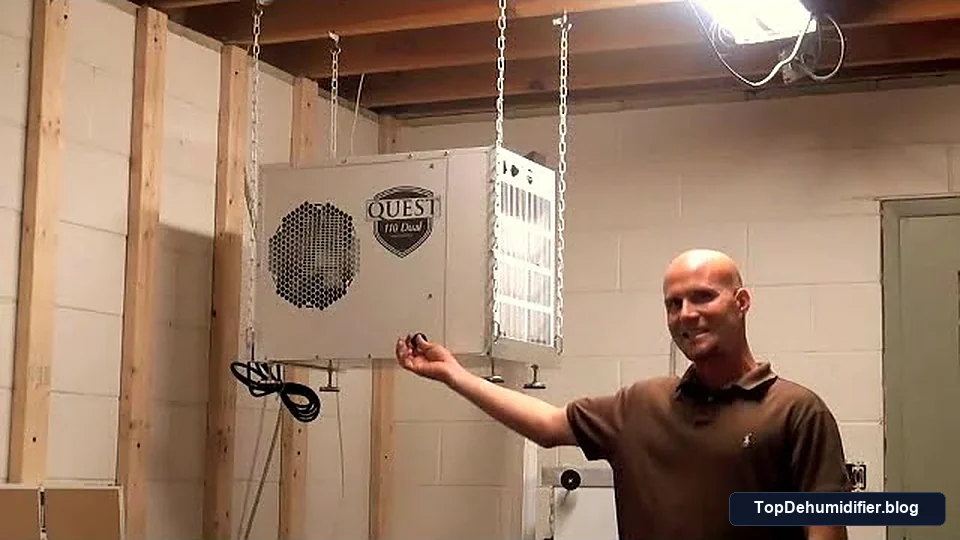
The latest engineering updates from manufacturers emphasize operational resilience under heavy stress. Facility managers must evaluate how structural chassis designs handle continuous vibration and daily workloads.
- Heavy-duty structural steel frames provide exceptional durability under continuous industrial stress loads during heavy seasonal humidity spikes across your commercial facility floor plan.
- Advanced vibration isolation mounts significantly reduce operational noise levels while protecting sensitive internal refrigerant tubing from fatigue during 24-hour continuous operational cycles.
Chassis Integrity and Structural Layout
Structural integrity directly dictates how long your environmental control equipment operates without unexpected mechanical failures. Engineers design these heavy commercial frames to resist corrosive moisture accumulation effectively.
Protecting internal electrical components from ambient moisture remains a top priority during humid operational seasons. For quieter residential spaces, review our best dehumidifier for bedroom guide to find units engineered for low-noise operation.
- Powder-coated exterior panels prevent rust formation when units operate in aggressive damp indoor commercial environments for extended periods without interruption.
- Sealed electrical control boxes safeguard onboard microprocessors against accidental water spray and airborne particulate contamination during routine facility washdown procedures.
Moisture Removal Efficiency and Performance Metrics
Evaluating real-world moisture removal rates helps facility directors match equipment capacity precisely to building loads. Both dehumidifiers deliver impressive water extraction volumes under standard testing operating conditions.
Understanding latent heat removal differences prevents HVAC system overloading while maintaining ideal relative humidity targets for sensitive indoor commercial manufacturing and agricultural spaces.
- High grain-per-pound extraction efficiency ensures lower operating costs during peak summer months when outdoor dew points climb to extreme daily maximum levels.
- Precise onboard humidistat controls maintain tight relative humidity bands without causing short-cycling that wastes valuable electrical energy across your facility.
Latent Heat Dynamics in Closed Spaces
Managing latent heat loads effectively prevents unwanted temperature spikes inside sealed commercial rooms. Proper airflow design ensures conditioned air distributes evenly throughout every corner.
Advanced blower motors generate static pressure sufficient to push dry air through complex ducts. For residential below-grade spaces, consult our best dehumidifier for basement selection to evaluate comparable static pressure ratings.
- Optimized coil surface areas maximize thermal transfer rates while minimizing energy consumption during peak commercial dehumidification operational demands.
- Balanced refrigerant pressures ensure stable compressor performance across fluctuating ambient temperatures found in typical commercial building mechanical rooms.
Electrical Requirements and Operating Footprint
Electrical infrastructure planning prevents costly downtime during installation of heavy commercial dehumidification equipment. Facility engineers must verify available voltage and amperage before finalizing placement.
Optimizing energy consumption reduces long-term operational expenditures across large industrial facilities relying on continuous climate control strategies throughout the calendar year.
- Standardized power cord configurations simplify electrical hookups while adhering strictly to national electrical code safety requirements for commercial building installations.
- Low amp draw characteristics allow multiple units to operate on shared commercial electrical circuits without triggering breaker overloads during startup surges.
Power Distribution and Circuit Safety
Safe power distribution protects expensive commercial machinery from voltage sags and electrical spikes. Dedicated circuits ensure uninterrupted operation during critical humidity management cycles.
Consulting licensed electricians before wiring high-capacity dehumidifiers guarantees compliance with local building safety codes and manufacturer warranty specifications.
- Integrated thermal overload protection safeguards compressor windings against damage caused by unexpected voltage fluctuations in older commercial buildings.
- Heavy-gauge internal wiring minimizes electrical resistance heat generation during extended high-load dehumidification operational periods in demanding environments.
Installation Versatility and Ducting Configurations
Installation flexibility dictates how easily technicians can integrate heavy dehumidification equipment into existing facility layouts. Space constraints often demand creative hanging or stacking arrangements.
Proper ducting configurations ensure conditioned air reaches distant zones without creating dead spots prone to mold growth and structural moisture damage over time.
- Multiple duct collar attachment options allow flexible supply and return routing tailored specifically to unique architectural constraints within your building.
- Compact vertical and horizontal footprints accommodate tight mechanical room spaces where traditional oversized dehumidification units simply cannot fit properly.
Hanging Kits and Spatial Optimization
Overhead hanging hardware frees up valuable floor space in commercial operations. Our Quest Dual 105 Overhead Dehumidifier Review highlights secure suspension methods that prevent dangerous equipment shifts during continuous high-capacity cycles.
Careful positioning near drainage lines simplifies condensate disposal without requiring complicated condensate pump installations across distant facility zones.
- Rugged steel suspension brackets support heavy equipment weight securely during years of continuous operational vibration in commercial ceiling spaces.
- Accessible side panels ensure technicians can perform routine maintenance tasks even when units are mounted close to overhead structural beams.
Filtration Standards and Air Quality Management
Maintaining clean indoor air quality protects sensitive internal coils from dust buildup that degrades efficiency. Reviewing options in our best dehumidifier roundup helps you select models featuring robust filtration systems.
Advanced filtration media captures airborne particulates before they settle onto damp refrigeration coils, preventing microbial growth and unpleasant musty odors indoors.
- Standard MERV filter ratings effectively trap floating dust and pollen particles while maintaining necessary airflow volume across high-capacity evaporator coils.
- Accessible filter access doors allow fast routine inspections and tool-free media replacements by facility maintenance staff during scheduled monthly service rounds.
Coil Protection and Particulate Control
Protecting evaporator coils from airborne debris preserves thermal transfer efficiency and extends operational lifespan significantly. Clean coils require less energy to extract moisture.
Regular filter maintenance prevents restricted airflow conditions that can cause compressor overheating and premature mechanical failure in commercial environments.
- Anti-microbial filter treatments inhibit mold spore growth directly on the filtration media during extended periods of high relative humidity exposure.
- Washable aluminum mesh pre-filters capture larger airborne lint particles before they reach the primary pleated filtration stage within the unit.
Long-Term Reliability and Maintenance Protocols
Reliable commercial equipment minimizes unexpected repair costs and maintains steady environmental conditions for critical facility operations. Preventive maintenance schedules ensure maximum uptime.
Establishing clear service protocols empowers technicians to identify minor mechanical wear issues before they escalate into major operational failures during peak seasons.
- Routine coil cleaning procedures maintain peak heat exchange efficiency and prevent scale buildup in aggressive commercial and agricultural facility environments.
- Sealed refrigeration systems require zero refrigerant recharging under normal operating conditions, reducing long-term ownership and maintenance service expenses.
Preventive Service Schedules and Component Care
Following structured preventive maintenance schedules extends the operational life of heavy commercial dehumidification assets significantly. Documenting service history aids warranty claims.
Inspecting condensate drain lines periodically prevents overflowing water damage inside mechanical rooms and sensitive commercial storage areas across your building.
- Seasonal inspections of electrical terminal connections prevent loose wiring issues caused by continuous equipment vibration during heavy operational cycles.
- Testing condensate pump operation regularly ensures wastewater discharges properly without backing up into the dehumidifier storage reservoir tanks.
Making the Final Selection for Your Space
Choosing between these two high-performance commercial dehumidifiers requires careful evaluation of your specific facility requirements and spatial constraints. Both options deliver professional-grade results.
Weighing factors like ducting flexibility, electrical setup, and intended application helps you invest wisely in long-term environmental control infrastructure for your commercial building.
- Assess your exact square footage and moisture load calculations before making a final purchasing decision to ensure adequate extraction capacity.
- Consult experienced HVAC technicians to confirm your facility infrastructure supports your chosen dehumidifier model without requiring costly electrical upgrades.
Matching Equipment to Application Demands
Aligning equipment capabilities with your daily workflow demands ensures seamless humidity management without compromising indoor environmental quality standards.
Investing in the right commercial dehumidifier protects your building structure and inventory from costly moisture damage over many years of reliable service.
- Review manufacturer specifications carefully against your floor plan layout to guarantee optimal airflow distribution throughout every conditioned zone.
- Prioritize models offering robust warranty coverage and accessible customer support for ultimate peace of mind during commercial operations.
Frequently Asked Questions
Which dehumidifier is better for tight mechanical spaces?
The Quest Dual 105 offers superior flexibility for restricted installation areas. Its compact horizontal layout fits easily into crowded rooms.
Can these units handle heavy agricultural grow room loads?
Both models excel in demanding agricultural environments easily. The Anden A100 features specialized corrosion protection for high transpiration spaces.
What electrical requirements do these commercial units need?
Standard dedicated commercial circuits easily support normal operation. Always verify local electrical codes before completing your final equipment wiring.
How often should filters be replaced during continuous use?
Inspect filters monthly and replace them whenever dust accumulates visibly. Regular maintenance ensures optimal airflow efficiency and protects internal coils.
Do these models require specialized condensate drain pumps?
Gravity drainage works well if floor drains are positioned nearby. Add an external condensate pump whenever lifting water to higher discharge points.