Proper Humidity in House for Winter: Guide
Maintaining correct winter indoor humidity protects building envelopes and occupant health. Understanding thermodynamic limits prevents structural decay and mold growth.


Keep indoor relative humidity between 30% and 40% during severe winter weather. Lower targets prevent dangerous condensation inside exterior wall cavities.
Ready to compare models? Start with our Best Dehumidifier: Top Picks for Basements & Homes.
Practical Quick-Reference Table
| Scenario / Metric | Recommended Target | Why It Matters |
|---|---|---|
| Outdoor Temp Above 20F | 35% to 40% RH | Maximizes comfort without window frosting. |
| Outdoor Temp 0F to 20F | 30% to 35% RH | Prevents excessive moisture accumulation on glass. |
| Outdoor Temp Below 0F | 25% to 30% RH | Protects framing cavities from freezing condensation. |
| Basement Spaces | 35% to 50% RH | Stops mold spore germination on cool masonry. |
| Crawl Space Vapors | Under 55% RH | Protects subfloor timber joists from rot. |
| Hygrometer Calibration | +/- 2% Accuracy | Ensures reliable sensor readings for automation. |
Winter Thermodynamics and Moisture Migration
During freezing outdoor conditions, warm indoor air holds significant water vapor. This moisture migrates toward exterior walls through diffusion and air leakage, condensing on cold surfaces when dew points are reached.
Building materials act as vapor barriers with varying permeance ratings. When high indoor vapor pressure forces moisture outward, it meets cold sheathing and turns into damaging liquid water or frost.
Controlling indoor humidity requires understanding vapor loads. Using our pint capacity calculator helps determine the exact moisture removal rate needed before condensation damages your structural framing.
Thermal bridges around windows and corners create localized cold spots. These areas drop below the critical dew point temperature much faster than the rest of the room envelope.
- Warm air holds more moisture than cold air.
- Vapor pressure drives humidity toward cold exterior walls.
- Dew point calculations dictate safe indoor humidity limits.
- Thermal bridges accelerate localized condensation risks.
Understanding Vapor Pressure Differentials
Vapor pressure acts like a gas concentration gradient inside your home. Higher indoor temperatures create strong pressure differentials that push water molecules directly through drywall.
Without continuous monitoring, this hidden moisture rots structural framing members. Installing continuous air barriers helps mitigate uncontrolled vapor movement through building assemblies.
- Vapor pressure forces moisture through permeable materials.
- Unchecked migration leads to hidden structural wood rot.
- Air barriers minimize convective moisture transport pathways.
Establishing Baseline Winter Humidity Targets
Selecting the correct winter humidity target depends heavily on local outdoor temperatures. When outdoor readings drop below freezing, indoor relative humidity must decrease to prevent window frosting.
A constant indoor target of fifty percent causes severe condensation in winter. Dropping the target down to thirty percent protects wooden window frames and structural insulation layers.
Measuring humidity accurately requires placing digital hygrometers away from direct heat sources. Near radiators or supply registers, sensor readings become artificially skewed and unreliable.
Establishing a stable baseline prevents respiratory discomfort while safeguarding structural integrity. Too little moisture causes dry mucous membranes, while excess moisture invites hazardous mold colonies.
- Adjust targets downward as outdoor temperatures plummet.
- Never maintain summer humidity levels during freezing months.
- Place hygrometers in central room locations for accuracy.
- Balance human respiratory comfort with building science limits.
Calculating Safe Indoor Thresholds
Exterior design temperatures dictate your maximum allowable indoor humidity. Engineers use standard lookup tables relating outdoor minimums to safe indoor relative humidity ceilings.
Exceeding these engineering thresholds causes water droplets to pool on double-pane glass. This visible moisture serves as an early warning sign for hidden wall condensation.
- Use regional weather data to set maximum humidity.
- Treat window condensation as a structural warning sign.
- Keep baseline relative humidity under forty percent.
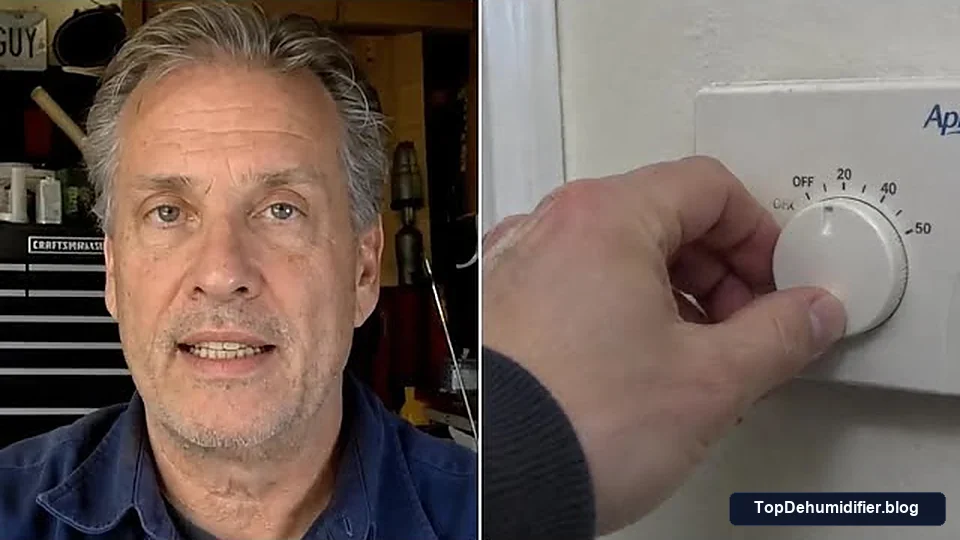
Video Walkthrough: Ask Andrew: Why indoor humidity matters during the cold season
Hardware Placement and Sensor Calibration
Accurate humidity management starts with properly calibrated sensors. Inexpensive hygrometers often drift over time, necessitating salt test verification to ensure reliable daily readings.
Position monitoring equipment at breathing height on interior partition walls. Avoid placing sensors near exterior doors, bathroom exhausts, or direct kitchen heat zones.
Digital sensors require stable ambient environments to react properly. Sudden temperature fluctuations cause transient measurement errors that disrupt automated ventilation or dehumidification cycles.
Documenting calibration dates helps maintain long-term data reliability. Consistent tracking ensures your climate control systems respond appropriately to genuine moisture fluctuations.
- Perform salt slurry tests to verify sensor accuracy.
- Mount hygrometers on interior walls away from drafts.
- Keep sensors clear of direct heating appliance outputs.
- Replace failing digital meters every few years.
Executing the Salt Slurry Test
Mix pure table salt with distilled water until it forms a slushy paste. Place this mixture inside a sealed plastic bag alongside your digital hygrometer.
After six hours at room temperature, the reading should stabilize near seventy-five percent. Adjust your device calibration offset if the final display deviates significantly.
- Use table salt and clean distilled water.
- Seal the sensor and slurry inside a bag.
- Check the stable reading after six hours.
Diagnosing Excess Condensation and Frost
Visible ice crystals on window glass indicate severe indoor over-humidification. When warm room air contacts freezing window panes, moisture rapidly deposits as frost or heavy pooling water.
Ignoring window condensation leads to rot on wooden sashes and mold growth on drywall. Immediate ventilation or humidity reduction is necessary to arrest this damage.
Check interior corners and closets where stagnant air accumulates. Musty odors or warped baseboards often reveal hidden moisture accumulation behind large furniture pieces.
Using exhaust fans during showers removes major moisture loads, but stopping widespread dampness often requires checking our best dehumidifier for whole house options to protect every room.
- Ice on glass confirms dangerously high indoor humidity.
- Inspect hidden corners behind heavy furniture regularly.
- Run kitchen and bathroom exhaust fans consistently.
- Address pooling water before mold colonies establish.
Tracing Moisture Sources Indoors
Unvented combustion appliances release massive amounts of water vapor directly into living spaces. Indoor drying of laundry also adds gallons of water to the indoor air.
Identifying these daily generation sources allows you to manage loads effectively. Limiting indoor vapor production reduces the workload on your moisture control equipment.
- Unvented heaters release gallons of water vapor.
- Indoor laundry drying spikes relative humidity.
- Identify and vent major moisture generation points.
Ventilation Rates and Air Exchange Balance

Controlling winter humidity often relies on controlled fresh air exchange. Introducing dry outdoor air helps dilute indoor moisture loads without requiring mechanical dehumidification equipment.
Modern tight construction traps indoor humidity generated by daily activities. Incorporating mechanical ventilation systems provides consistent air changes while managing energy losses.
Exhaust-only ventilation can pull unconditioned air through gaps, creating drafts. Balanced heat recovery ventilators exchange incoming and outgoing airstreams while conserving thermal energy.
Calculating proper airflow rates ensures healthy indoor air quality. Too little ventilation traps pollutants and moisture, while excessive rates waste expensive heating fuel.
- Dry outdoor air naturally dilutes indoor humidity.
- Tight modern homes require deliberate ventilation strategies.
- Heat recovery ventilators save thermal energy effectively.
- Balance airflow to prevent drafts and structural dampness.
Optimizing Mechanical Ventilation Cycles
Program ventilation systems to run intermittently based on occupancy schedules. Over-ventilating during sub-zero weather drives indoor humidity down to uncomfortably dry levels.
Integrate humidistat controls with your ventilation system for automated precision. This setup maintains safe humidity envelopes without requiring constant manual intervention.
- Program systems to match household occupancy patterns.
- Avoid over-ventilating during extreme freezing weather.
- Use humidistats for automated system regulation.
Video Walkthrough: Effects of Low Humidity
Mechanical Dehumidification Strategies for Cold Weather
Standard compressor dehumidifiers struggle to operate effectively in unheated cold spaces. Low ambient temperatures cause evaporator coils to freeze, rendering the refrigeration cycle entirely ineffective.
In cold sub-grade zones, finding the best dehumidifier for crawl space under house applications ensures chemical desiccant wheels absorb water vapor reliably without freezing up.
Positioning mechanical units centrally encourages proper air mixing throughout the level. Avoid blocking intake and exhaust grilles with stored items or furniture.
Connecting continuous drain hoses eliminates the need for manual bucket emptying. Ensure gravity drainage lines slope downward steadily to prevent standing water blockages.
- Compressor coils freeze in unheated cold spaces.
- Desiccant dehumidifiers handle low temperatures efficiently.
- Keep unit intake and exhaust grilles unobstructed.
- Install continuous gravity drain lines securely.
Managing Low-Temperature Operating Limits
Check manufacturer temperature ratings before deploying equipment in unheated areas. Operating standard units below their minimum threshold risks damaging internal compressor components.
Select specialized low-temperature models designed specifically for cold basements. These units feature automatic defrost cycles to maintain performance in chilly environments.
- Verify equipment operational temperature minimums.
- Avoid running standard units in freezing zones.
- Deploy low-temperature models with defrost features.
Long-Term Maintenance and System Safety
Regular maintenance ensures your humidity control equipment operates safely all winter. Clean washable air filters monthly to maintain proper airflow across internal heating and cooling coils.
Inspect condensate collection systems and pumps for biological slime or blockages. Clogged lines cause unexpected water overflows that can ruin flooring and subfloor structures.
Test electrical cords and plugs for signs of wear or overheating. Never use extension cords with high-draw climate equipment to prevent electrical fire hazards.
Schedule professional servicing before the heating season begins. Proactive upkeep extends equipment lifespan and guarantees reliable performance during peak winter weather.
- Clean washable air filters every single month.
- Check condensate pumps and lines for clogs.
- Inspect power cords for signs of electrical wear.
- Schedule annual pre-season equipment service.
Preventing Electrical and Fire Hazards
High-draw climate equipment demands dedicated electrical circuits. Plugging heavy appliances into overloaded multi-tap adapters creates dangerous overheating risks.
Keep combustible materials far away from heating elements and your unit. Sizing systems correctly via our best dehumidifier for 3 bed house guide protects rooms from thermal overload risks.
- Plug heavy units into dedicated wall circuits.
- Never use standard multi-tap extension cords.
- Maintain safe clearances around all equipment.
Frequently Asked Questions
What is the ideal indoor humidity level for winter?
Maintain indoor relative humidity between 30% and 40% during cold winter months. This range prevents window condensation while protecting your respiratory health.
Why does condensation form on windows during winter?
Warm indoor air carries moisture that condenses when hitting cold glass surfaces. Lowering your indoor relative humidity prevents this visible structural warning sign.
Can I use a standard dehumidifier in a cold basement?
Standard compressor units struggle and freeze in unheated cold spaces. Use specialized desiccant dehumidifiers for effective moisture removal in chilly environments.
How often should I calibrate my home hygrometer?
Calibrate your digital hygrometer annually using the standard salt test. Accurate sensors ensure your climate control decisions protect your building envelope effectively.
Does indoor laundry drying increase winter moisture problems?
Drying clothes indoors releases gallons of water vapor into living areas. Vent laundry dryers outdoors to stop excess moisture from entering wall cavities.