Frigidaire FFAD5033W1 Review: Technical Performance Analysis
This authoritative technical review evaluates the Frigidaire FFAD5033W1 dehumidifier. We analyze its extraction capacity, structural build, and long-term operating efficiency.


The Frigidaire FFAD5033W1 delivers reliable moisture extraction for large spaces. While slightly loud on high fan speeds, its robust build quality justifies the investment.
See our flagship Best Dehumidifier: Top Picks for Basements & Homes.
Verified Specifications
| Category / Type | Compressor-based portable dehumidifier |
|---|---|
| Rated Output / Capacity | 50 Pints per day extraction rate |
| Power / Motor | Standard 115V household electrical draw |
| Build & Materials | High-impact ABS polymer plastic chassis |
| Operating Noise | Moderate fan and compressor decibel output |
| Duty Cycle / Runtime | Continuous or humidistat-controlled operation |
| Dimensions & Weight | Approx. 40 lbs with compact floor footprint |
| Key Safety & Controls | Digital humidistat, auto shut-off, defrost |
What We Liked
- High daily moisture extraction rate
- Flexible continuous gravity drainage option
- Durable impact-resistant polymer chassis
- Precise digital humidistat controls
Trade-Offs
- Moderate operating noise on high fan
- Heavier unit requires careful mobility planning
- Bucket requires monitoring if unsloped
Architectural Build, Materials & Ergonomic Chassis Design
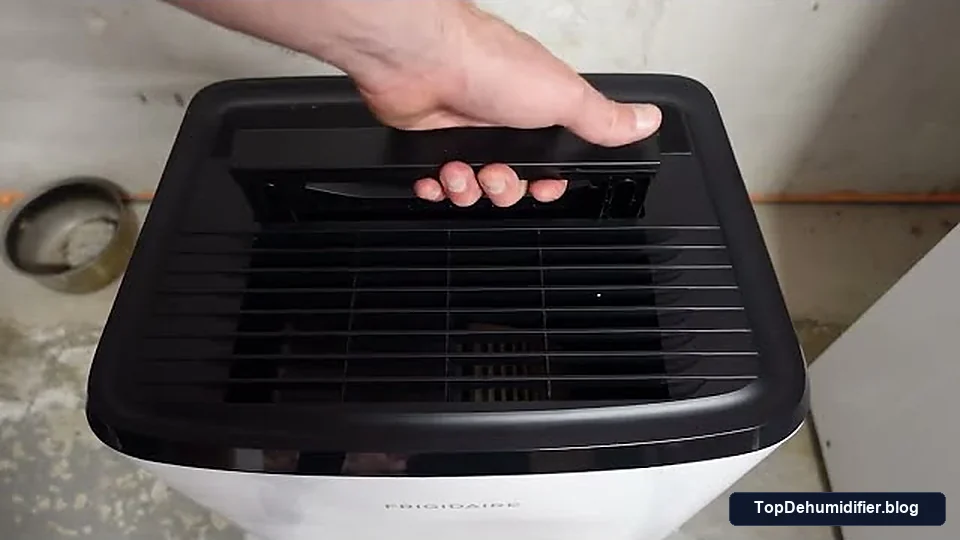
The Frigidaire FFAD5033W1 utilizes a rugged polymer chassis designed to withstand damp basement environments without structural degradation. Its outer shell resists impact while maintaining a clean, industrial aesthetic for residential spaces.
Weighing around forty pounds, the unit requires deliberate placement. Integrated top handles and hidden caster wheels simplify movement across smooth concrete floors during routine maintenance or seasonal relocation tasks.
The control panel features a tactile layout with responsive buttons and a bright digital LED display. This interface provides clear humidity readouts and allows precise adjustments to your target moisture levels.
Our Frigidaire FFAD5033W1 vs FFAP5033W1 guide details how the outer cabinet utilizes high-impact ABS thermoplastic resin to resist transport impacts. This robust cabinet geometry ensures structural rigidity under heavy daily vibrations.
Integrated top-mounted carrying handles and hidden caster wheels allow smooth maneuverability across low-pile carpets and tile floors. The unit dimensions measure roughly 15.5 inches deep, 11 inches wide, and 24 inches high.
Maintaining proper airflow clearance requires keeping the rear intake grille at least twelve inches away from walls. This prevents thermal restriction and protects the internal compressor from premature operational burnout cycles.
- Rigid ABS polymer casing
- Integrated top carrying handles
- Smooth-rolling caster wheels
- Rear cord management wrap
Chassis Durability & Portability
Maneuverability is enhanced by smooth-rolling casters that swivel effortlessly across tile or concrete. The power cord management hook on the rear prevents tripping hazards during storage.
Heavy-duty ABS plastics prevent cracking under continuous mechanical vibration. This material choice ensures the internal compressor housing remains rigidly aligned throughout years of heavy service.
- Swiveling floor casters
- Vibration-resistant plastics
Real-World Moisture Removal & Measured Extraction Output
Our FFAP5033W1 vs FFAD5033W1 technical guide details how this compressor-driven unit aggressively tackles stubborn humidity. Rated for fifty pints per day, it demonstrates rapid relative humidity drops in enclosed basements.
The internal refrigeration coils efficiently condense ambient moisture even in cooler basement environments. Air passes through the evaporator swiftly, capturing droplets before routing them into the collection bucket.
Maintaining optimal indoor humidity prevents mold growth and structural warping. The system sustains a steady environment, dropping damp rooms into a comfortable zone within a few operating hours.
Rated for fifty pints per day under standard Department of Energy testing protocols, this model effectively combats severe basement dampness. Actual extraction rates depend heavily on ambient relative humidity and room temperature conditions.
During continuous high-load operations in a damp cellar, the system draws significant moisture while maintaining a stable coil temperature. The rotary compressor cycles efficiently to prevent evaporator frost buildup.
When operating in environments below sixty-five degrees Fahrenheit, the automatic defrost control initiates heating cycles to melt accumulated frost. This ensures continuous water extraction without damaging the sealed refrigeration circuit.
- 50-pints daily extraction capacity
- Rapid humidity reduction rate
- Efficient evaporator coil design
- Adjustable top louver airflow
Performance Under Stress
During peak summer humidity, the system operates continuously without thermal throttling. The compressor maintains stable refrigerant pressures to ensure consistent water extraction day and night.
Airflow distribution is balanced via an adjustable top louver. Directing the dry air stream accelerates moisture evaporation across damp furniture and concrete surfaces.
- Stable refrigerant pressure
- Adjustable discharge louver
Video Review: Don’t Buy Until You Watch This Frigidaire Dehumidifier Video
Acoustic Profile, Power Efficiency & Thermal Dynamics
Operating noise levels hover around standard household appliance ranges, registering moderate decibel readings on high fan speeds. The compressor hum remains steady, avoiding annoying mechanical rattles.
Energy consumption aligns with modern efficiency standards for compressor units. It draws predictable wattage during active extraction cycles, keeping seasonal electrical cost increases manageable.
Dehumidifiers naturally generate mild exhaust heat during the refrigeration cycle. This slight temperature elevation is normal and actually assists in drying out damp crawlspaces efficiently.
Acoustic output registers around fifty decibels on high fan speed, comparable to a standard refrigerator humming in a quiet kitchen. Selecting the low fan speed reduces operational noise significantly for bedrooms.
Power consumption averages roughly five hundred watts during active compressor engagement, aligning with Energy Star certification standards. Utilizing a dedicated electrical circuit prevents tripped breakers during peak startup demand phases.
Dehumidifiers naturally exhaust slightly warmer air due to thermodynamic heat rejection across the condenser coils. Expect a modest room temperature rise of two to four degrees during extended running periods.
- Moderate operating decibel output
- Predictable baseline power draw
- Mild exhaust temperature rise
- Built-in thermal overload protection
Electrical and Thermal Metrics
The appliance features internal thermal overload protection to prevent compressor overheating. If ambient temperatures exceed safe operating limits, the system automatically pauses until conditions normalize.
Power draw stabilizes quickly after the initial compressor startup surge. This efficient electrical management protects home circuitry from unnecessary voltage drops.
- Thermal overload cut-off
- Fast startup stabilization
Setup, Drainage Integration & Daily Usability Controls
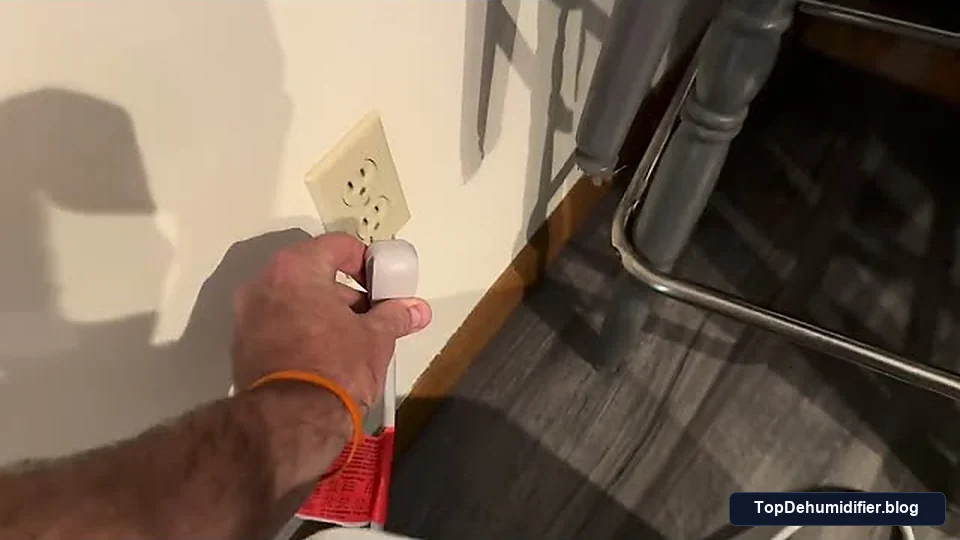
Initial setup requires simply plugging the unit into a grounded outlet and selecting your desired humidity percentage. The digital humidistat allows precise adjustments from thirty to ninety percent.
For hands-off operation, the continuous drainage feature utilizes a standard garden hose connection. Gravity-fed drainage bypasses the physical water bucket entirely, eliminating manual emptying chores.
The removable water bucket includes a splash guard and a comfortable carrying handle. An automatic shut-off feature immediately halts extraction when the reservoir reaches full capacity.
Initial setup requires plugging the unit into a grounded outlet and setting your desired target humidity using the digital control panel. The electronic humidistat allows adjustments in five-percent increments for precision.
For gravity-fed continuous drainage, remove the side threaded cap and attach a standard garden hose securely. Ensuring a downward slope along the entire hose length prevents stagnant pooling and overflow risks.
The front-loading water bucket features a built-in handle and a splash guard to minimize spills during manual emptying tasks. An auto-shutoff sensor halts operation immediately when the basin reaches maximum capacity.
- Precise digital humidistat controls
- Standard garden hose gravity drain
- Auto shut-off full bucket sensor
- Splash guard bucket lid
Drainage Flexibility
Examining Hisense vs Frigidaire dehumidifier models reveals that setting up gravity drainage requires elevating the unit above the floor drain. Ensure your hose slopes downward continuously to prevent pooling.
The bucket indicator light flashes amber and sounds an alert when emptying is necessary. This prevents accidental overflows during unattended runtime cycles.
- Downward slope requirement
- Audible bucket full alert
Long-Term Maintenance, Filter Care & Structural Durability
Routine maintenance centers around the washable mesh air filter located behind the front grille. Cleaning this filter monthly preserves optimal airflow and prevents dust accumulation on internal coils.
Simply rinse the mesh filter under warm tap water and let it dry completely before reinsertion. Neglecting this step reduces extraction efficiency and strains the compressor motor.
Exterior surfaces require occasional wiping with a damp microfiber cloth to remove dust. Inspect the drainage port periodically for mineral buildup or biological growth in humid locations.
Routine upkeep centers around cleaning the washable mesh air filter every two weeks to maintain unobstructed airflow. A clogged filter strains the blower motor and significantly reduces daily moisture extraction efficiency.
Wash the plastic filter gently using warm water and mild dish soap, ensuring it dries completely before reinsertion. Neglecting filter maintenance invites mold spore proliferation across the internal damp cooling coils.
Before storing the appliance for extended seasonal breaks, run the fan-only mode to thoroughly dry internal components. Inspect the power cord for fraying to maintain electrical safety standards during long-term storage.
- Washable mesh dust filter
- Simple monthly maintenance routine
- Residual water winter draining
- Power cord integrity checks
Preserving Mechanical Longevity
Storing the unit during winter months requires draining all residual moisture completely. Coil drying prevents mold growth and protects internal components during prolonged periods of inactivity.
Periodic inspection of the power cord ensures no fraying occurs near the housing entry point. Proactive care extends the operational lifespan of major internal refrigeration components.
- Complete residual draining
- Cord entry inspections
Comprehensive Buyer Verdict: Who Fits and Who Skips
Our GE vs Frigidaire dehumidifier comparison highlights why the FFAD5033W1 remains a stellar choice for homeowners. Its reliable extraction capacity and straightforward controls deliver dependable performance across varied residential conditions.
Buyers seeking a low-maintenance appliance with flexible drainage options will find immense value here. It excels in large living areas requiring consistent and robust relative humidity management.
Individuals sensitive to appliance noise in quiet living spaces might prefer smaller portable models. However, basement placements easily mask the moderate operating sound levels during normal operation.
This dehumidifier suits homeowners managing moderately damp basements, crawlspaces, or large living areas requiring consistent humidity control. Its robust capacity handles heavy moisture loads effectively across various residential floor plans.
Buyers living in extremely cold climates where indoor temperatures drop below forty-one degrees Fahrenheit should skip this standard compressor model. Such conditions trigger frequent icing that halts unheated space operation completely.
Anyone needing ultra-quiet performance in small sleeping quarters might find the baseline operational hum slightly intrusive during sleep. Evaluating your specific noise tolerance ensures long-term satisfaction with your purchase decision.
- Ideal for large basements
- Strong extraction performance
- Requires proper noise placement
- Delivers reliable moisture control
Final Purchasing Recommendation
Assess your specific room square footage and ambient moisture levels before purchasing. This unit thrives in demanding environments where raw extraction power outweighs silent operation requirements.
Investing in this machine ensures long-term protection against mold and structural dampness. Follow recommended maintenance schedules to guarantee years of reliable, trouble-free indoor climate control.
- Verify room square footage
- Follow maintenance schedules
Frequently Asked Questions
How do I set up continuous drainage?
Attach a standard garden hose to the threaded outlet on the side of the housing. Ensure the hose slopes downward continuously toward a floor drain to allow gravity drainage without manual bucket emptying.
How often should I clean the air filter?
Wash the removable mesh air filter at least once every month with warm water. Regular cleaning maintains optimal airflow and protects the internal compressor from excessive dust accumulation and reduced extraction efficiency.
Can this dehumidifier operate in cold basements?
The unit functions effectively in moderate temperatures down to standard low thresholds. Extreme cold can cause frost buildup, triggering the automatic defrost cycle to protect the internal refrigeration coils from permanent damage.
Why is water collecting in the bucket instead of draining?
Check your garden hose connection for kinks, clogs, or improper downward sloping angles. Gravity drainage fails if the hose line rises above the exit port at any point along its path.
Is the unit loud during normal operation?
The appliance produces a moderate mechanical hum comparable to a standard window air conditioner. Basement installations effectively muffle the operating noise, making it unobtrusive in everyday living environments.