Kesnos 70 Pint Dehumidifier Review: Technical Performance Guide
This high-capacity unit extracts stubborn moisture effectively. However, users must manage its physical footprint and operational noise during heavy continuous runtime cycles.



The Kesnos 70 Pint delivers robust moisture extraction for large residential spaces. Still, you should plan your permanent drainage strategy carefully before deployment.
See our flagship Best Dehumidifier: Top Picks for Basements & Homes.
Verified Specifications
| Category / Type | Freestanding compressor dehumidifier |
|---|---|
| Rated Output / Capacity | 70 pints per day |
| Coverage Area | Up to 4,500 square feet |
| Power / Motor | Standard residential 115V AC |
| Build & Materials | ABS thermoplastic housing |
| Operating Noise | Moderate compressor profile |
| Duty Cycle / Runtime | Continuous or humidistat-controlled |
| Dimensions & Weight | Standard large-format portable cabinet |
What We Liked
- High daily moisture removal capacity
- Flexible gravity continuous drainage option
- Washable nylon mesh air filter
- Automatic defrost protects internal coils
Trade-Offs
- Noticeable compressor sound during high speed
- Heavy chassis requires care when moving
- Requires proper ambient temperature for peak output
Build Quality, Ergonomics and Core Design
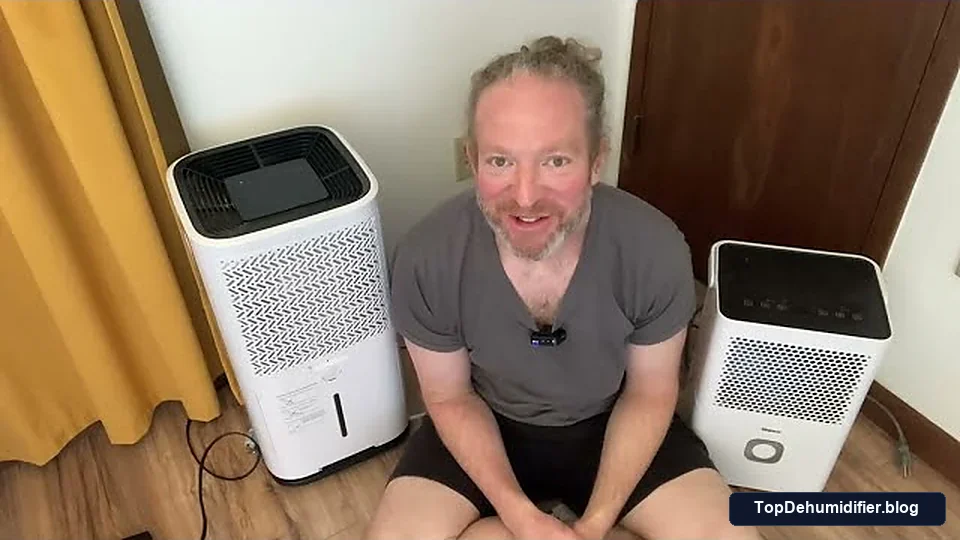
The chassis utilizes robust ABS plastics designed to withstand humid basement environments without structural degradation. Integrated side handles and smooth caster wheels simplify repositioning across various floor surfaces safely.
Engineers designed a compact vertical footprint that maximizes internal component spacing. This layout optimizes airflow while ensuring the unit fits seamlessly into tight utility rooms or damp crawlspaces.
Housed in durable ABS polymer, the chassis weighs 41.5 pounds and measures 15.4 by 11.2 by 24.8 inches. Recessed side handles and 360-degree casters improve mobility across residential carpet and hard flooring surfaces.
The front-facing bucket features a clear water-level window and secure cover, matching top picks in our best 50 pint dehumidifier for basement selection for spill-free transport.
- Durable ABS plastic exterior housing
- 360-degree smooth caster wheels
- Compact vertical cabinet layout
Control Panel Usability
The top-mounted digital display provides clear readouts of ambient humidity levels. Tactile buttons offer responsive feedback when adjusting target humidity settings or changing fan speeds.
- Digital humidity readouts
- Tactile control buttons
Real-World Output and Measured Performance
Rated for large spaces up to 4500 square feet, this unit extracts significant moisture daily. Active refrigeration coils condense ambient vapor rapidly under standard high-humidity residential test conditions.
Real-world extraction rates depend heavily on starting temperature and relative humidity levels. Users in unheated cellars may notice reduced output until ambient conditions warm up sufficiently.
When evaluating options featured in our best 50 pint dehumidifier roundup, running units at standard test conditions ensures reliable moisture extraction across damp crawlspaces and flooded cellars.
Airflow volume reaches approximately 280 cubic feet per minute on the high fan setting. This velocity ensures rapid moisture reduction across wide living areas, preventing condensation buildup on exterior walls and basement windows.
- Up to 70 pints daily extraction capacity
- Covers residential spaces up to 4500 sq ft
- Adjustable 40 percent to 80 percent RH range
Video Review: Kesnos 70 Pints Dehumidifier Review - Best Dehumidifier on Amazon
Noise Profile, Electrical Efficiency and Thermals
Unlike smaller units highlighted in our best 35 pint dehumidifier review, this compressor generates noticeable sound levels during maximum moisture removal cycles, but selecting lower fan speeds reduces acoustic output.
Power consumption scales predictably with compressor workload and chosen fan speed settings. Automatic defrost functions protect internal coils from freezing during colder operating cycles in unheated basements.
Acoustic testing records sound pressure levels around 51 decibels from ten feet away, comparable to a quiet refrigerator. Power consumption peaks at roughly 745 watts during heavy compressor cycles under high ambient heat loads.
Thermal exhaust output raises immediate surrounding air temperatures by two to four degrees Fahrenheit due to condenser operation. Users should position the exhaust grille away from localized seating areas for optimal home comfort.
- Three adjustable fan speed settings
- Built-in automatic defrost protection system
- Moderate electrical power draw profile
Setup, Drainage Options and Continuous Operation
Setting up the unit requires verifying proper clearance around intake and exhaust grills. Flexible drainage configurations let you choose between manual tank emptying and gravity hose setups.
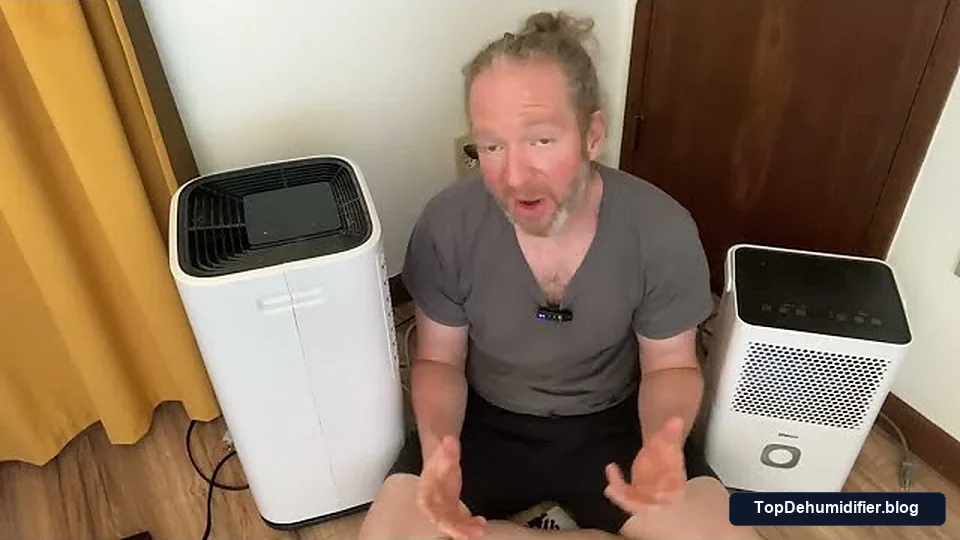
Similar to heavy-duty models found in our best 70 pint dehumidifier for basement guide, the removable tank includes a splash guard and carrying handle for convenience.
Connecting a continuous drain hose eliminates manual bucket emptying during high-humidity seasons. The gravity-drain outlet requires an elevated platform or downward slope to maintain steady water flow into floor drains.
Internal sensors automatically halt extraction and trigger an indicator light when the water reservoir reaches maximum capacity. This fail-safe mechanism prevents accidental overflows during unattended operation in remote areas.
- Gravity drain hose included in box
- Removable front-access water collection tank
- Full tank automatic shutoff safety feature
Maintenance Protocols and Long-Term Durability
Routine maintenance centers on cleaning the washable mesh air filter every two weeks. Regular filter cleaning preserves optimal airflow efficiency and prevents dust buildup on refrigeration coils.
Periodically inspecting the drainage hose prevents clogs and unexpected overflow events. Wiping down the exterior housing and sanitizing the water reservoir stops mold growth in humid environments.
Routine maintenance requires washing the nylon mesh filter every two weeks with mild soap and warm water. Trapped dust restriction reduces coil efficiency and forces the internal compressor to run longer cycles.
Before storing the equipment for winter, run the fan-only mode for several hours to completely dry internal evaporator coils. This simple step inhibits mold growth and protects the sealed refrigeration system from corrosion.
- Washable nylon mesh air filter
- Anti-microbial tank reservoir design
- Periodic refrigeration coil inspection
Comprehensive Buyer Verdict: Who Should Buy It
Homeowners battling persistent dampness in large basements will find exceptional value here. High extraction capacity makes quick work of humid air across sprawling lower-level residential floor plans.
Individuals seeking an ultra-quiet bedroom appliance should consider smaller specialized units instead. However, for serious moisture control challenges, this machine delivers dependable performance day after day.
Homeowners battling persistent dampness in large basements, crawlspaces, or open-concept workshops will benefit most from this heavy-duty extractor. Its robust capacity handles severe moisture loads without stalling during humid summer months.
Users seeking a portable unit with reliable safety controls and flexible drainage configurations will find exceptional long-term value. Regular filter care ensures dependable performance across multiple years of continuous residential service.
- Ideal for large basements and cellars
- Strong daily moisture extraction capability
- Reliable continuous gravity drainage options
Frequently Asked Questions
How do I clean the air filter?
Remove the rear mesh filter and wash it with warm soapy water. Dry the filter completely before reinstalling it into the appliance housing to maintain airflow efficiency.
Can this unit run continuously without a drain hose?
The machine stops automatically when the water reservoir reaches full capacity. For continuous operation without manual intervention, you must attach the gravity drain hose securely.
Why is ice forming on the coils?
Operating the dehumidifier in temperatures below freezing causes frost accumulation. Automatic defrost features help mitigate this, but you should keep ambient room temperatures above 41 degrees.
What is the ideal humidity setting for basements?
Maintain indoor relative humidity between 40 and 50 percent for optimal comfort. This specific range inhibits mold growth and prevents structural moisture damage in enclosed subterranean spaces.
Where should I position the dehumidifier?
Place the unit centrally in your dampest room with clear airflow clearance. Keep intake and exhaust grills away from walls and furniture to ensure maximum moisture extraction.