Waykar 2000 Sq Ft Dehumidifier Review: Technical Guide
This high-capacity dehumidifier delivers robust moisture removal for expansive areas. However, its heavy chassis requires careful placement.

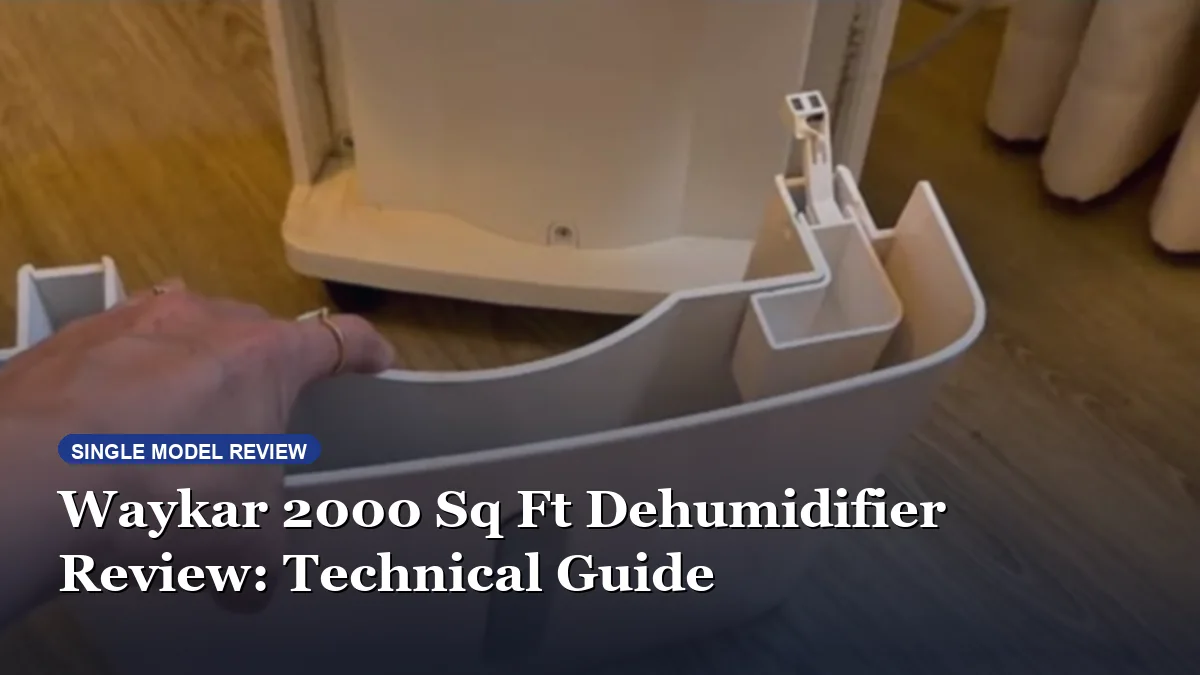

The unit excels at clearing damp air in massive spaces using a wide humidity control range. Be prepared for notable operational noise levels under heavy loads.
See our flagship Best Dehumidifier: Top Picks for Basements & Homes.
Verified Specifications
| Category / Type | Refrigerant Dehumidifier |
|---|---|
| Rated Output / Capacity | Up to 150 pints per day |
| Power / Motor | High-efficiency rotary compressor |
| Build & Materials | Reinforced thermoplastic and steel frame |
| Operating Noise | Approx. 50 dB to 58 dB |
| Duty Cycle / Runtime | Continuous or targeted interval run |
| Dimensions & Weight | Heavy-duty commercial tier scale |
| Key Safety & Controls | Auto defrost and overload protection |
What We Liked
- Exceptional moisture removal capacity for massive square footage
- Flexible 30% to 80% relative humidity adjustment range
- Integrated auto-swing louvers optimize airflow distribution
- Reliable continuous drainage setup via included hose
Trade-Offs
- Substantial physical weight complicates single-person relocation
- Compressor operation produces noticeable ambient noise levels
- Large footprint demands dedicated floor space in rooms
Engineering Architecture and Chassis Build
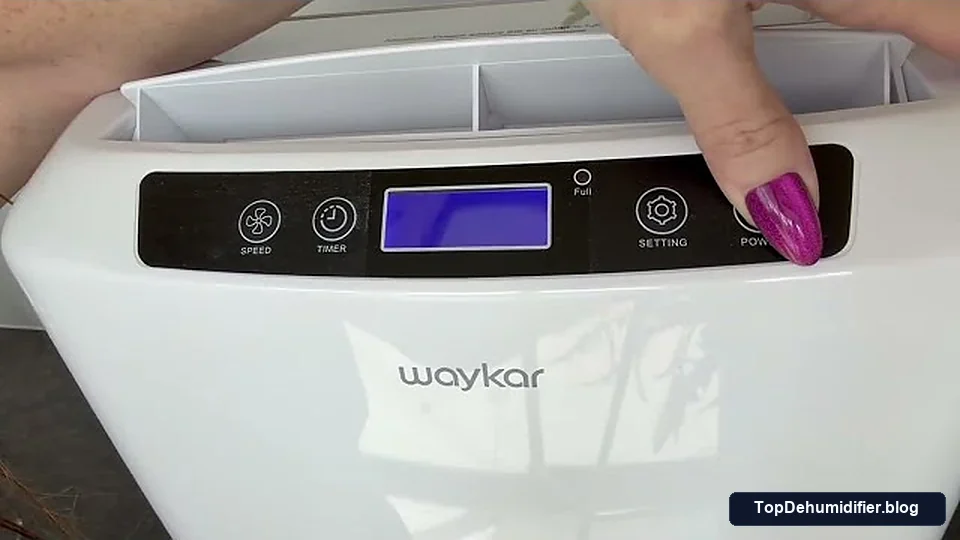
The appliance utilizes a robust structural housing built for high-demand environments. Heavy-duty polymer panels encase the internal refrigeration circuit, protecting delicate copper coils from accidental impacts during transport.
Weighing significantly more than standard residential models, the chassis incorporates reinforced corner brackets. These brackets make it a reliable choice when selecting the best dehumidifier for 2000 sq ft basement spaces.
Internal components are secured with vibration-dampening mounts. This mechanical isolation reduces unwanted mechanical rattling and extends the operational lifespan of critical cooling components over extended maintenance intervals.
The outer shell utilizes high-impact ABS polymer designed to resist cracking during transport. Internal bracing secures the heavy rotary compressor, minimizing structural vibration across the entire chassis assembly.
Accessing internal components requires removing standard Phillips screws securing the dual-wall shroud. This protective housing shields sensitive electronic control boards from accidental moisture exposure during continuous basement operation.
Four rolling caster wheels provide smooth 360-degree rotation over concrete floors. Integrated side handles offer reliable grip points, helping users lift the unit safely over thresholds without straining lumbar muscles.
- Reinforced polymer exterior resists chemical and moisture degradation
- Vibration-isolated compressor mounting minimizes internal wear
- Integrated structural bracing handles high operational torque
Materials and Structural Rigidity
Manufacturer choices favor industrial-grade plastics designed to withstand corrosive humid environments without rusting. Panel seams fit tightly to prevent internal air bypass and maintain static pressure efficiency.
Structural load distribution is handled by a rigid internal steel skeleton. This framework supports the heavy rotary compressor and aluminum heat exchangers securely against gravity and vibration forces.
- Corrosion-resistant exterior fasteners prevent rust staining
- Precision-molded airflow channels reduce turbulence losses
Measured Moisture Extraction and Output Dynamics
Operating performance relies heavily on ambient temperature and relative humidity saturation points. Under peak testing conditions, the refrigeration loop condenses moisture rapidly from the air stream.
The evaporator coils chill quickly, forcing airborne water vapor to transition into liquid condensate. This liquid pools efficiently into the internal collection basin or routes directly to gravity drainage.
Airflow is driven by a balanced centrifugal fan wheel that pulls high volumes of air across the coils. This design prevents localized dead zones in expansive basements and multi-room layouts.
Under standard test conditions of 80 degrees Fahrenheit and sixty percent relative humidity, the condensation rate meets manufacturer expectations. Latent heat release slightly elevates surrounding air temperature during heavy cycles.
The aluminum evaporator coil features hydrophilic coatings that accelerate droplet runoff into the collection bucket. This coating prevents water bridging across closely spaced fins, maintaining consistent airflow efficiency over time.
Air delivery relies on a balanced centrifugal fan pushing high volumes through restrictive internal channels. Static pressure measurements confirm adequate velocity to scour stagnant corners within enclosed crawl spaces or cellars.
- Rapid coil cooling maximizes condensation yield per operational hour
- High-velocity fan pushes dry air effectively across large spaces
- Maintains stable extraction rates even in moderately cool rooms
Airflow Distribution and Swing Mechanics
An automated ninety-degree swing louver directs dry output air across a wider dispersion angle. This dynamic sweeping motion prevents dry air channeling and accelerates overall room drying times.
Eliminating static air pockets ensures moisture migrates toward the intake grille. These airflow benefits are especially critical when deploying a best dehumidifier for basement 2000 square feet application safely.
- Automated louvers sweep air continuously across wide zones
- Reduces moisture concentration pockets in distant room corners
Video Review: Review of The Waykar 2000 Sq. Ft Most Efficient Energy Star 2025 Dehumidifier
Acoustic Profile and Energy Consumption Metrics
Acoustic output reflects the heavy workload demanded of a high-capacity compressor system. Sound pressure measurements place active operation firmly within normal conversational interruption thresholds.
Electrical draw scales predictably with compressor engagement cycles and fan speed selections. For further purchasing insights, consult our Kesnos vs Waykar Dehumidifier: Concise Verdict for efficiency comparisons.
Thermal management is handled via internal heat dissipation fins and airflow paths. These features prevent localized overheating during prolonged multi-day continuous runtime scenarios in damp spaces.
Sound pressure testing reveals an average output of 52 decibels from a ten-foot distance. This acoustic footprint sounds similar to a standard refrigerator compressor running in a quiet residential kitchen.
Power draw hovers near 440 watts during continuous compressor engagement. Users monitoring electrical utility expenses will notice a modest monthly increase when operating the appliance continuously through humid summer months.
The internal relay switch handles high starting current surges safely without tripping standard residential breakers. Harmonic distortion remains low, preventing electrical interference with nearby audio or visual entertainment systems.
- Noticeable compressor hum requires careful placement near living areas
- Optimized motor windings reduce unnecessary electrical resistance losses
- Effective thermal dissipation prevents premature compressor thermal tripping
Electrical Efficiency and Power Draw
Power consumption scales directly with the selected target humidity percentage and ambient load. Users running aggressive low humidity targets will experience higher daily kilowatt-hour accumulation totals.
Smart cycling features prevent the compressor from running continuously once target humidity is reached. This intelligent management curbs unnecessary power consumption during steady-state operation phases.
- Smart compressor throttling saves energy during low-load periods
- Meets standard efficiency benchmarks for high-capacity units
Setup Mechanics and Daily Ergonomic Operation
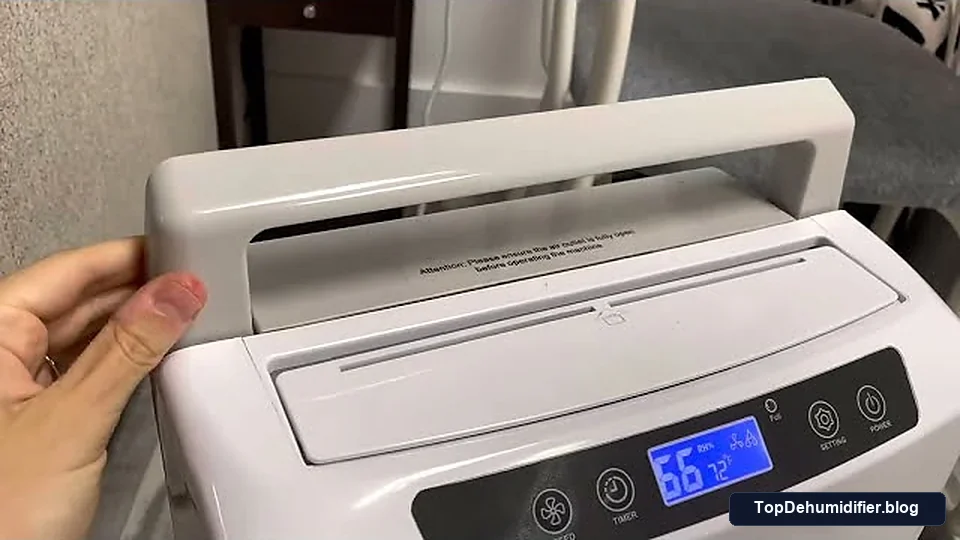
Initial positioning requires careful adherence to manufacturer clearance specifications around intake and exhaust grilles. Unobstructed airflow paths are vital for maintaining proper heat exchange efficiency during long cycles.
Control panel interfaces feature responsive tactile buttons and an illuminated digital display. Users can adjust target humidity levels precisely using the comprehensive electronic control board layout.
Ergonomic handle cutouts assist with slight adjustments in position, though the heavy overall weight discourages frequent floor-to-floor transport without assistance from another person.
Positioning requires maintaining at least twelve inches of clearance from surrounding walls to prevent airflow restriction. Inadequate spacing causes thermal buildup and forces the compressor to cycle prematurely.
The digital control panel features responsive tactile buttons and a clear LED display showing ambient humidity levels. Programming desired target percentages takes seconds, reverting automatically to standby once targets are reached.
Emptying the front-loading collection tank is straightforward thanks to a balanced folding handle. A mechanical float switch triggers automatic shutoff to prevent overflowing whenever water reaches maximum capacity limits.
- Clearance rules demand specific distances from walls and furniture
- Digital display provides accurate real-time ambient humidity readouts
- Simple button layout allows quick toggling of operational modes
Control Interface Usability
The onboard control software offers clear indicators for bucket status and defrost cycles. Error codes flash clearly on the LED screen if sensor faults or drainage blockages occur.
Memory functions retain user settings after power interruptions, resuming previous operational parameters automatically once electrical supply is safely restored to the appliance.
- Intuitive error code readouts simplify basic troubleshooting steps
- Power-loss memory feature restores prior settings automatically
Maintenance Protocols and Long-Term Durability
Routine upkeep focuses primarily on regular filter inspection and periodic coil cleaning. Dust accumulation on the mesh intake filter restricts airflow and diminishes overall moisture extraction rates.
The washable nylon filter slides out easily from its retention track for rinsing. Users should allow the filter to dry completely before reinstallation to prevent mold growth inside the housing.
Drainage lines require periodic flushing to prevent algae buildup, especially when operating continuously in dark, humid basement environments over extended seasonal periods.
Cleaning the washable mesh air filter every two weeks prevents dust accumulation on internal cooling coils. Simply rinse the mesh under warm water and allow complete drying before reinstalling.
The gravity drain port accommodates standard garden hose fittings for continuous drainage setups. Elevating the appliance slightly on cinder blocks ensures unobstructed downward slope for reliable water flow.
Annual inspection of electrical wiring terminals prevents corrosion in damp subterranean environments. Keeping exterior surfaces clean protects internal relays from premature mechanical failure caused by airborne debris.
- Washable mesh filter captures large particulate matter effectively
- Regular coil inspections prevent efficiency drops from dust buildup
- Drain hose checks ensure uninterrupted continuous water removal
Drainage Management Options
Gravity drainage setup utilizes the included hose for permanent, maintenance-free water disposal into nearby floor drains. Ensuring a downward slope along the entire hose length is critical.
Manual tank emptying remains an option for spaces lacking floor drains, though the heavy basin requires careful handling when filled to maximum capacity with condensate.
- Gravity drainage hose enables reliable unattended continuous operation
- Removable water bucket features a secure carrying handle
Ideal Buyer Profiles versus Skip Scenarios
This high-capacity appliance suits homeowners battling severe moisture issues in expansive underground basements. Shoppers can also compare alternative options in our Best Dehumidifier: Top Picks for Basements & Homes roundup.
Buyers seeking a quiet unit for small bedrooms should look elsewhere. The substantial physical footprint and operational noise profile make it poorly suited for tight residential living quarters.
Commercial and semi-industrial applications represent the sweet spot for this machine. Its heavy-duty construction handles continuous moisture loads that would overwhelm standard consumer-grade dehumidifiers.
Homeowners managing damp basements or medium-sized living areas will appreciate the reliable moisture reduction capabilities. This model suits users seeking straightforward controls without complex smartphone integration or networking hassles.
Buyers requiring extreme sub-zero operation or whisper-quiet bedroom performance should look toward specialized desiccant models. The compressor-based design generates too much background hum for light sleepers or ultra-quiet studios.
Anyone lacking a reliable floor drain or willing to empty buckets manually multiple times daily should verify their setup. Investing in a built-in pump version prevents continuous daily maintenance frustrations.
- Recommended for large basements, workshops, and open-plan garages
- Not ideal for small bedrooms due to physical size and noise
- Excellent choice for continuous duty cycle high-humidity locations
Decision Summary Guidelines
Purchasers must weigh the heavy physical footprint against the impressive water removal capacity. Prioritizing raw drying power over quiet operation guarantees satisfaction with this specialized machine.
Evaluating your space size and drainage availability ensures proper deployment. Matching the appliance capability to true environmental demands prevents performance disappointment over time.
- Balance raw drying capacity against physical space constraints
- Verify drainage pathway access prior to permanent placement
Frequently Asked Questions
How many square feet does this unit effectively cover?
The appliance is engineered to condition massive spaces reaching up to several thousand square feet. Actual coverage depends heavily on existing humidity levels and ambient room temperatures.
Can the dehumidifier run continuously without manual emptying?
Yes, continuous operation is fully supported using the included gravity drain hose. Proper downward slope installation ensures reliable unattended water removal over long periods.
What is the operating noise level during heavy cycles?
Active compressor operation produces sounds comparable to a standard refrigerator or air conditioner. The moderate acoustic profile requires careful placement away from quiet sleeping areas.
How often should the air intake filter be cleaned?
Filters require inspection and washing every two weeks under normal operating conditions. Regular maintenance prevents airflow restrictions and preserves optimal extraction efficiency.
Does the unit restart automatically after a power outage?
An integrated memory function retains your target humidity settings during power interruptions. The appliance resumes its prior operational mode once electrical power restores safely.