Recommended Indoor Humidity Summer: Targets
Maintaining proper summer indoor humidity prevents structural damage and mold growth. Precise technical measurements ensure optimal residential comfort and air quality.


Keep summer indoor relative humidity between 30% and 50% to prevent mold. Exceeding 60% relative humidity rapidly accelerates structural moisture damage and allergen proliferation.
Ready to compare models? Start with our Best Dehumidifier: Top Picks for Basements & Homes.
Practical Quick-Reference Table
| Scenario / Metric | Recommended Target | Why It Matters |
|---|---|---|
| General Living Space | 30% to 50% RH | Prevents mold growth and ensures comfort. |
| Basement Storage | Below 50% RH | Stops subterranean condensation and musty odors. |
| High Occupancy Rooms | 40% to 45% RH | Offsets human perspiration and daily moisture loads. |
| Outdoor Dew Point | Below 60 deg F | Indicates safe conditions for natural window ventilation. |
| Air Conditioner Setting | Auto Fan Mode | Prevents re-evaporation of condensed moisture into ducts. |
| Crawlspace Environment | Under 55% RH | Protects wooden framing floor joists from rotting. |
Understanding Summer Moisture Dynamics and Vapor Pressures

Summer ambient air holds significantly more moisture than winter air, creating unique indoor climate challenges. Elevated outdoor dew points directly drive high indoor humidity levels through natural air infiltration.
Warm air possesses a higher capacity for water vapor, increasing vapor pressure differentials across building envelopes. Without mechanical intervention, this vapor migrates into cooler interior wall cavities and living spaces.
Relative humidity fluctuates inversely with indoor temperature changes throughout daily cycles. When air conditioners cycle off, sensible cooling ceases while latent moisture remains trapped inside the conditioned envelope.
Building materials absorb excess ambient moisture, shifting equilibrium moisture content upward during extended warm seasons. This phenomenon creates chronic dampness that compromises indoor environmental quality and structural integrity.
Summer air holds significantly more moisture due to elevated ambient temperatures, driving high vapor pressure differentials across building envelopes. This forces moisture through porous drywall and insulation assemblies continuously.
Outdoor dew points exceeding 65 degrees Fahrenheit create relentless pressure, pushing humid air inward through tiny gaps. Building materials absorb this moisture, raising interior relative humidity levels rapidly without intervention.
Vapor diffusion occurs naturally from high-pressure zones to low-pressure areas, meaning summer humidity actively seeks out air-conditioned spaces. Comparing lg puricare vs frigidaire units shows how well heavy-duty models handle moisture migration.
Understanding dew point physics helps technicians calculate exact condensation risks on cool basement walls. When surface temperatures drop below the dew point, structural water damage and mold growth begin immediately.
- Monitor outdoor dew point trends daily.
- Seal building envelope air leaks tightly.
- Track indoor temperature and humidity simultaneously.
- Account for latent heat loads in HVAC design.
Establishing Optimal Summer Humidity Thresholds and Limits
Maintaining precise indoor humidity parameters during summer months protects both human health and building structures. Standard mechanical guidelines recommend keeping relative humidity levels strictly between 30% and 50% indoors.
Allowing indoor humidity to exceed 60% relative humidity creates an ideal environment for biological growth. Dust mites, mold spores, and bacterial colonies proliferate rapidly when ambient moisture surpasses this critical threshold.
Conversely, dropping relative humidity below 30% causes respiratory irritation, dry skin, and static electricity buildup. Finding the precise operational balance ensures comfortable living conditions without triggering adverse health reactions.
Occupant density and daily household activities like cooking and showering introduce massive latent moisture loads. Dehumidification systems must actively compensate for these internal vapor sources to maintain stable target zones.
Maintaining indoor relative humidity between 30 and 50 percent prevents mold proliferation while ensuring occupant comfort during peak summer months. Exceeding the upper 60 percent threshold invites dust mites.
ASHRAE Standard 55 recommends keeping indoor dew points below 60 degrees Fahrenheit to inhibit biological pollutant growth. Exceeding these strict mechanical limits compromises indoor air quality and structural integrity.
Over-drying air below 30 percent creates static electricity and irritates respiratory mucous membranes. Calibrated humidistats must cycle mechanical dehumidification systems precisely to maintain this narrow, healthy operational window.
Basements and crawl spaces require tighter monitoring because cooler earth temperatures lower localized dew points. Setting portable units to target 45 percent relative humidity protects joists from fungal decay safely.
- Target 40% to 50% relative humidity.
- Never sustain indoor levels above 60%.
- Account for local climate variations.
- Adjust targets based on occupant sensitivity.
Video Walkthrough: What's the Best Humidity Level for Your Home?
Technical Measurement Tools and Proper Hygrometer Placement
Accurate moisture tracking requires properly calibrated digital hygrometers positioned strategically throughout residential zones. Avoid placing monitoring devices near direct sunlight, exterior doors, or HVAC supply diffusers for reliable readings.
Capacitive sensors measure electrical capacitance changes within a polymer film as it absorbs ambient water vapor. These dependable instruments deliver rapid updates on fluctuating indoor moisture conditions with minimal calibration drift.
Sling psychrometers utilize wet-bulb and dry-bulb temperature measurements to calculate exact relative humidity percentages manually. Technicians rely on these traditional mechanical tools to verify digital sensor accuracy during routine maintenance checks.
Data loggers record long-term humidity trends over days or weeks, exposing hidden moisture accumulation patterns. Analyzing these detailed historical records helps technicians diagnose persistent humidity problems within complex residential structures.
Accurate humidity assessment requires calibrated digital hygrometers featuring a ±2 percent accuracy rating. Analog dial gauges frequently drift out of calibration and provide unreliable environmental measurements over time.
Mount monitoring devices approximately five feet off the floor on interior partition walls away from direct sunlight, supply registers, and exterior doors to ensure representative ambient readings.
Avoid placing sensors directly behind heavy furniture or inside stagnant corners where localized microclimates skew actual room data. Air circulation must flow freely across the sensing element for precision.
Verify sensor accuracy annually using a standard salt test sealed inside a small plastic bag for six hours. A saturated sodium chloride solution should consistently yield a 75 percent reading.
- Calibrate hygrometers using salt tests.
- Place sensors at breathing height centrally.
- Keep monitors away from direct airflow.
- Replace batteries in digital meters annually.
HVAC System Integration and Mechanical Dehumidification Methods
Standard air conditioning systems remove moisture as a byproduct of sensible cooling during peak summer months. However, oversized cooling units cycle too quickly, leaving high latent humidity trapped inside the living space.
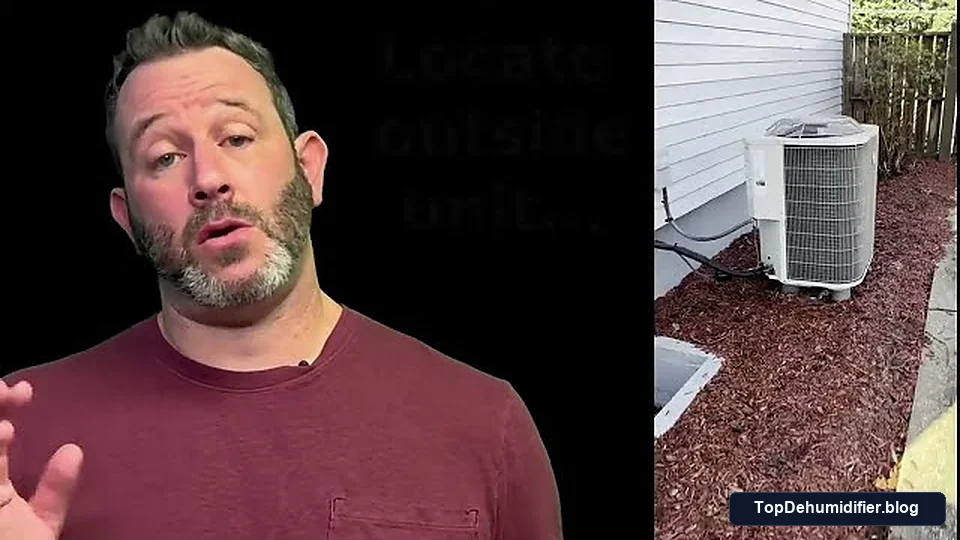
Dedicated whole-house dehumidifiers operate independently from central air conditioners to extract excess water vapor efficiently. These powerful mechanical units utilize refrigeration coils to condense moisture before exhausting dry air back indoors.
Variable-speed compressors and modulating blowers optimize moisture removal by running longer, lower-capacity cooling cycles. This advanced operational strategy enhances latent heat extraction without overcooling the residential interior space.
Managing heavy moisture loads requires understanding how a dehumidifier vs humidifier for summer operates differently. Inspect drain lines regularly to prevent clogs, water overflow, and structural damage risks.
Standard air conditioners remove sensible heat efficiently, but oversized units short-cycle and leave high latent loads behind. Integrating whole-house ducted dehumidifiers solves this persistent summer moisture removal problem.
Whole-home systems tie directly into existing supply and return ductwork, constantly sampling air and extracting up to 120 pints per day. Gravity condensate lines require proper trapping and sloping.
Variable-speed air handlers enhance summer moisture extraction by running longer fan cycles at lower speeds. This maximizes coil contact time, condensing more moisture out of humid air streams.
Ensure condensate drain lines feature auxiliary float switches wired directly to the 24-volt thermostat circuit. This safety measure prevents catastrophic water overflows when drain lines clog during peak operation.
- Size dehumidification equipment to square footage.
- Integrate whole-house units with ductwork.
- Clean condensate pans and lines frequently.
- Utilize humidistats for automated control.
Ventilation Strategies for High-Humidity Summer Days
Natural ventilation can introduce massive quantities of unwanted moisture into air-conditioned homes on humid days. Homeowners should avoid opening windows when outdoor dew points exceed comfortable indoor humidity thresholds.
Mechanical exhaust ventilation systems in kitchens and bathrooms actively expel localized moisture at its primary source. Running these dedicated exhaust fans during high-humidity activities prevents vapor from spreading throughout the house.
Energy recovery ventilators exchange stale indoor air with incoming fresh air while transferring sensible and latent heat. This engineered approach minimizes the moisture penalty associated with required residential ventilation standards.
Basements and crawlspaces require specialized ventilation control to prevent warm summer air from condensing on cool surfaces. Reviewing a dehumidifier vs air conditioner comparison helps determine the right equipment strategy.
Opening windows on humid summer afternoons introduces massive latent heat loads that overwhelm mechanical cooling systems. Restrict natural ventilation strictly to cool, low-humidity morning hours when possible.
Bathroom and kitchen exhaust fans must vent directly outdoors, running for at least 20 minutes post-shower or cooking to expel localized steam before it diffuses into drywall assemblies.
Energy Recovery Ventilators balance incoming fresh air streams with outgoing exhaust, transferring thermal energy while minimizing incoming moisture. Ensure core filters are cleaned every three months regularly.
Avoid using whole-house attic fans during peak humidity events because they can draw unconditioned outdoor air downward into living spaces. Positive pressure strategies require careful engineering and balanced airflow.
- Run bathroom fans for twenty minutes post-shower.
- Install dedicated makeup air systems.
- Seal crawlspaces with heavy vapor barriers.
- Monitor outdoor dew points before opening windows.
Video Walkthrough: The humidity in your home should be between 40 and 60 percent.
Long-Term Equipment Maintenance and Structural Protection
Protecting residential building envelopes from summer moisture damage requires rigorous, consistent equipment maintenance schedules. Routine inspections of vapor barriers, insulation layers, and mechanical drainage paths prevent costly structural decay.
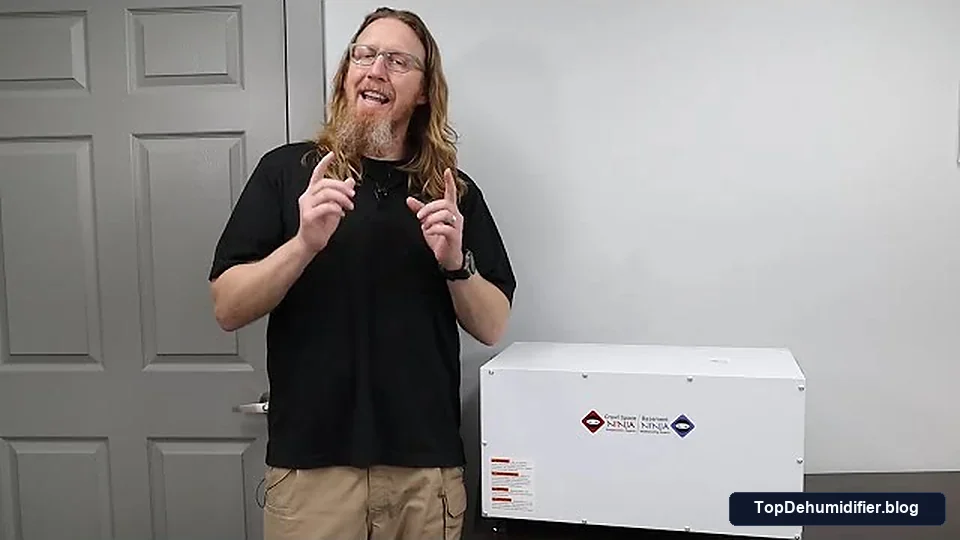
Dirty air filters restrict airflow across cooling coils, severely reducing latent moisture removal capacity. Using our pint capacity calculator ensures you select the correct equipment size for peak efficiency.
Professional coil cleaning removes accumulated dust and biological growth that impede heat transfer and condensate drainage. Maintaining clean internal components ensures your climate control equipment operates at peak performance levels.
Sealing ductwork leaks prevents unconditioned, humid attic or crawlspace air from entering the primary living distribution network. Comprehensive air sealing protects your entire HVAC investment against premature mechanical failure.
Inspect dehumidifier air filters monthly, washing mesh screens or replacing pleated media to maintain optimal static pressure and prevent evaporator coil freeze-ups. Restricted airflow severely reduces overall moisture extraction.
Clean condensate collection pans and gravity drain tubes annually using a diluted bleach solution to prevent biological slime clogs and nasty bacterial growth inside the drainage network.
Check refrigerant pressures and compressor amp draws during routine spring HVAC maintenance visits. Low refrigerant charges indicate leaks that cripple the dehumidification capacity of heat pump systems.
Seal basement rim joists with closed-cell spray foam to block outdoor air infiltration and stop summer condensation from forming on cold foundation headers, protecting structural framing from rot.
- Inspect ductwork joints for air leaks.
- Schedule annual professional HVAC tune-ups.
- Clear outdoor condenser coil obstructions.
- Test safety float switches on condensate pans.
Frequently Asked Questions
What is the ideal indoor humidity level for summer?
Maintain indoor relative humidity between 30% and 50% during summer months. This specific range inhibits mold growth while ensuring optimal personal comfort and respiratory health.
Why does my house feel humid even when the air conditioner runs?
Oversized air conditioning units cool spaces too quickly without extracting sufficient latent moisture. This short-cycling leaves high humidity trapped inside the conditioned indoor living envelope.
Can opening windows in summer reduce indoor humidity?
Opening windows usually increases indoor humidity when outdoor dew points are high. Always check local meteorological dew point data before allowing outside air inside your home.
How do I test the accuracy of my digital hygrometer?
Perform a salt calibration test inside a sealed plastic bag for six hours. A properly functioning sensor should read exactly seventy-five percent relative humidity.
What risks are associated with high indoor humidity?
Sustained indoor relative humidity above 60% accelerates structural wood rot and toxic mold proliferation. It also triggers severe allergic reactions and encourages dust mite infestations indoors.