Desiccant Dehumidifiers: How Do They Work?
Desiccant units handle low-temperature moisture extraction differently than compressor models. Understanding their internal rotor mechanics ensures optimal deployment.


Desiccant dehumidifiers use a specialized porous rotor to absorb airborne moisture physically rather than condensing it via coils. This adsorption process excels in unheated spaces like garages or crawlspaces.
Ready to compare models? Start with our Best Dehumidifier: Top Picks for Basements & Homes.
Practical Quick-Reference Table
| Scenario / Metric | Recommended Target | Why It Matters |
|---|---|---|
| Operating Temperature | Below 55 degrees Fahrenheit | Compressor units fail here while desiccants thrive. |
| Rotor Speed | 8 to 12 revolutions per hour | Balances maximum moisture absorption against thermal regeneration. |
| Reactivation Airflow | 15 to 25 percent of total flow | Ensures proper moisture expulsion outside the treated space. |
| Filter Inspection | Every 30 operational days | Prevents particulate clogging inside the delicate silica gel matrix. |
| Static Pressure | Under 50 pascals external | Maintains rated CFM delivery through complex duct layouts. |
| Target Relative Humidity | 35 to 50 percent | Prevents structural mold growth without over-drying materials. |
Core Operating Principles of Desiccant Rotors
Traditional refrigeration units rely on cold evaporator coils to condense liquid water from humid air streams. Conversely, desiccant dehumidification utilizes a rotating honeycomb wheel impregnated with active moisture-attracting materials like silica gel.
As ambient air passes through the process sector of the spinning rotor, water vapor is trapped directly within microscopic pores. The treated air exits drier and slightly warmer due to the physics of sorption.
The honeycomb structure maximizes surface area within a compact physical footprint, allowing continuous moisture capture. This design eliminates liquid collection buckets freezing up during cold winter operation in uninsulated spaces.
Engineers optimize the rotational speed of this matrix to balance the absorption phase with the subsequent drying phase. A properly calibrated motor ensures steady performance across fluctuating environmental conditions.
- Silica gel matrix provides immense internal surface area for vapor bonding.
- No compressor or refrigerant circuit is required for primary moisture capture.
- Process air warms slightly during water molecule adsorption due to latent heat.
- Mechanical drive belts require periodic tension checks for reliable rotor spin.
The Adsorption versus Condensation Mechanics
Condensation relies on dew point differentials to pull water out of saturated air streams. Desiccant systems bypass this thermal limitation entirely by leveraging molecular attraction inside a chemical matrix.
As detailed in our desiccant dehumidifier vs compressor dehumidifier analysis, this fundamental difference allows desiccant machinery to extract water effectively even when ambient temperatures drop below freezing levels.
- Adsorption traps vapor molecules physically without phase-change liquid pooling.
- Performance remains stable across sub-zero Fahrenheit operating environments.
Thermal Reactivation and Airflow Circuits
Captured moisture must be continuously purged from the rotating wheel to maintain continuous extraction efficiency. The internal rotor slowly migrates from the main process sector into a separate reactivation sector.
While large industrial units manage vast commercial spaces, even compact models featured in our best small room dehumidifiers guide use heated reactivation streams to purge internal silica gel rotors.
The resulting warm, moisture-laden reactivation air is then exhausted completely outside the building via flexible ducting. Without this continuous purge cycle, the desiccant wheel would saturate and stop functioning.
Balancing the main process airflow against the smaller reactivation airflow is critical for overall unit efficiency. Manufacturers design specific internal baffles to prevent cross-contamination between these two distinct circuits.
- Reactivation heaters utilize PTC ceramic elements for safe self-regulating wattage.
- Exhaust ducting must slope outward to prevent condensation pooling inside hoses.
- Internal seals separate process air from hot regeneration air streams.
- Thermal safety cutouts prevent overheating if exhaust pathways become obstructed.
Managing Exhaust Duct Backpressure
Expelling reactivation air requires overcoming external static pressure from long duct runs. Exceeding manufacturer limits forces hot moisture back into the conditioned room.
Always use smooth-walled metal or rigid PVC ducting for exhaust runs to minimize airflow friction and maintain proper regeneration temperatures across the heating element.
- Keep total exhaust duct length under recommended manufacturer maximums.
- Install a backdraft damper to prevent cold outside air from entering.
Video Walkthrough: How Desiccant Dehumidifiers Work | Complete Working Principle Explained
Sizing Metrics for Unheated and Cold Spaces
Sizing a desiccant dehumidifier requires evaluating cubic footage and structural air leakage rates rather than just square footage. Cold environments often hold less total moisture, but damp building materials continuously release vapor.
Unheated spaces and areas featured in our 10 best dehumidifiers for basements roundup demand higher hourly air change rates. Aim for a volumetric flow rate that cycles room air three times hourly.
When calculating capacity, account for external moisture migration through uninsulated concrete walls or damp crawlspace floors. Sub-floor vapor barriers significantly reduce the total extraction load placed upon the machine.
Over-sizing is less problematic for desiccants than compressors because they lack heavy cycling compressors, but matching capacity prevents unnecessary energy consumption during prolonged periods of low humidity.
- Calculate total room volume by multiplying length, width, and ceiling height.
- Add capacity margins for unvented crawlspaces or stone foundation walls.
- Consider external weather patterns and seasonal groundwater table fluctuations.
- Consult manufacturer grain-depression charts for specific low-temperature tasks.
Accounting for Intermittent Occupancy Loads
Spaces used sporadically, such as seasonal workshops or vacation homes, experience rapid humidity spikes upon human entry. Desiccant units handle these load surges effectively if sized for peak occupancy.
Program humidistats to maintain a safe holding humidity rather than shutting off entirely between visits, preventing mold spores from colonizing organic surfaces.
- Factor human respiration and unvented combustion into baseline moisture loads.
- Maintain baseline operation even during unoccupied periods to protect assets.
Proper Installation and Ducting Calibration
Once you determine proper sizing using our pint capacity calculator, correct physical placement dictates whether a desiccant dehumidifier achieves its theoretical moisture removal rating within your space.
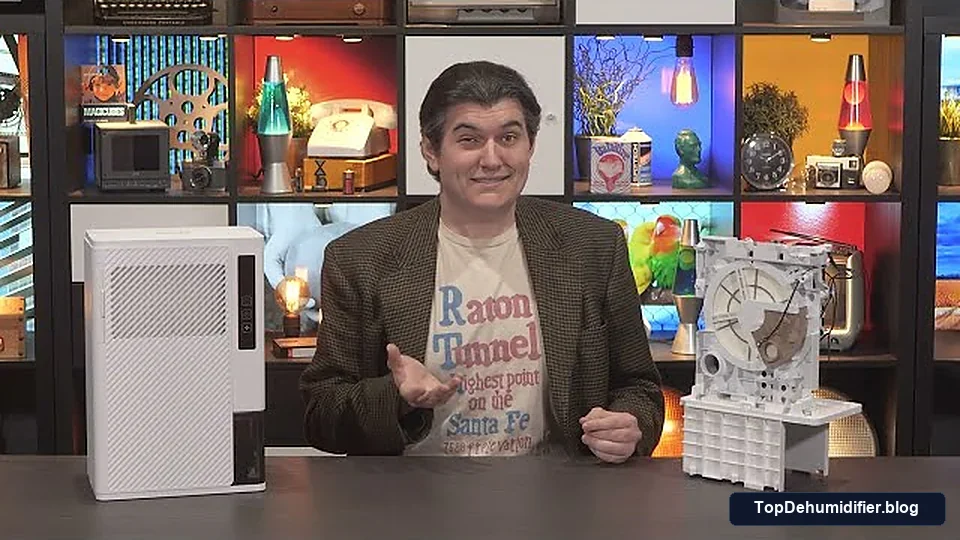
Ensure at least twelve inches of clear clearance around all intake and exhaust grills to prevent air starvation. Restricted airflow reduces heat dissipation and can trigger internal thermal safety switches.
When installing remote humidistats or duct adapters, follow factory electrical pinouts precisely to avoid sensor signal interference. Shielded control cables prevent erratic cycling in electromagnetically noisy workshop environments.
Level the equipment chassis using adjustable feet to ensure internal condensate or reactivation drains function correctly. Unlevel mounting causes uneven bearing wear on the central rotor shaft over time.
- Mount units on rigid, vibration-damped platforms to reduce operational noise.
- Route drain lines downward with a continuous grade to prevent air locks.
- Seal all duct joints with UL-rated foil tape to prevent pressure leaks.
- Keep electronic control panels away from direct water spray or chemical fumes.
Optimizing Air Circulation Patterns
Stagnant air pockets prevent remote corners of a room from reaching target humidity levels. Supplement unit placement with low-profile oscillating fans to maintain uniform vapor distribution.
Direct discharge streams across damp foundation walls or stored organic materials to accelerate surface evaporation before moisture penetrates deep into porous substrates.
- Avoid aiming exhaust streams directly at cold exterior glass surfaces.
- Create a gentle rotational room airflow pattern using auxiliary fans.
Routine Maintenance of Filters and Rotors
Desiccant systems depend heavily on pristine intake filtration to protect the delicate internal honeycomb matrix from airborne dust. A clogged air filter starves the rotor of process air and overheats the heater.

Inspect mesh or pleated intake filters every two weeks during heavy operation seasons. Wash reusable foam filters thoroughly with mild dish soap, ensuring complete drying before reinstallation into the chassis.
Over several years of operation, airborne grease or fine soot can coat the silica gel pores, degrading moisture adsorption capacity. Professional servicing may involve specialized non-chemical thermal rotor baking procedures.
Keep internal electrical compartments free of accumulated dust using compressed air during annual service checks. Check all internal wiring harnesses for signs of heat discoloration or terminal loosening.
- Never operate the machine without an approved intake filter in place.
- Replace damaged or warped filter frames immediately to bypass gaps.
- Vacuum internal cabinet cavities annually to remove accumulated lint.
- Verify belt tension and pulley alignment during deep seasonal cleanings.
Inspecting Internal Drive Components
The drive motor, belt, and pulley system rotate the heavy desiccant wheel continuously during operation. Inspect these mechanical parts annually for signs of rubber degradation or slip.
A squeaking or thumping noise usually indicates belt slippage or bearing misalignment requiring immediate adjustment to prevent catastrophic rotor stall and thermal overload.
- Check drive belt tension using light finger pressure deflection tests.
- Apply approved high-temperature lubricant to motor bearings sparingly.
Video Walkthrough: Introduction
Troubleshooting Humidity Fluctuations and Heat Output
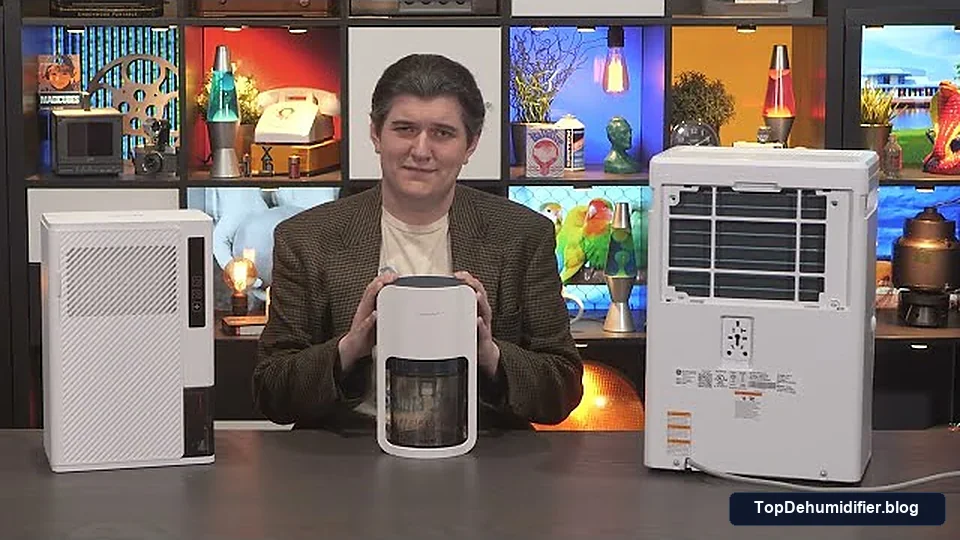
If a desiccant unit runs constantly without reducing room humidity, check for excessive outdoor air infiltration or unsealed ductwork. A compromised vapor barrier can easily overwhelm the extraction capacity.
Noticeable drops in exhaust air temperature indicate a failing reactivation heater or blown thermal fuse. Multimeter resistance checks across the heating element terminals quickly isolate electrical circuit faults.
Excessive noise or vibration usually points to foreign debris trapped inside the rotor housing or a loose fan blower wheel. Immediately disconnect electrical power before opening service panels for inspection.
Erratic cycling often stems from a poorly calibrated humidistat sensor located too close to the warm exhaust stream. Relocate external sensors to a neutral sampling point representing true room conditions.
- Test thermal cutouts for continuity using a digital multimeter set to ohms.
- Inspect exhaust hoses for crushing, kinking, or severe lint blockages.
- Verify incoming supply voltage matches equipment data plate specifications.
- Clean dirty humidistat sensing elements gently with isopropyl alcohol wipes.
Diagnosing Thermal Overload Shutdowns
Thermal cutouts protect equipment from fire hazards if reactivation airflow drops below safe thresholds. Frequent shutdowns indicate blocked intake filters or crushed exhaust lines.
Allow the unit to cool completely for thirty minutes before resetting internal safety switches and investigating the root cause of the initial airflow restriction.
- Never bypass safety thermostats under any operational circumstances.
- Ensure room ambient temperatures do not exceed maximum rated limits.
Safety Standards and Electrical Requirements
Because desiccant dehumidifiers incorporate high-wattage reactivation heaters alongside electronic controls, electrical safety is paramount. Always plug heavy-duty units into dedicated, grounded branch circuits protected by breakers.
Never use unrated extension cords or daisy-chained power strips that can overheat under continuous electrical load. GFCI protection is mandatory when operating dehumidifying equipment in damp basements or crawlspaces.
Maintain adequate working clearance around the equipment electrical panel for emergency maintenance disconnect access. Comply with local electrical codes regarding permanent hardwiring where portable cords are prohibited.
Disconnect all AC power sources completely before servicing internal heaters, drive motors, or control boards. High-voltage circuits inside the chassis retain dangerous electrical charges even after shutdown.
- Verify circuit breaker amperage matches equipment maximum draw ratings.
- Inspect power cords regularly for cuts, fraying, or damaged ground pins.
- Keep flammable liquids and aerosols stored well away from operating heaters.
- Ensure all chassis grounding straps remain securely fastened to bare metal.
Complying with Electrical Safety Codes
Commercial and residential installations must adhere to National Electrical Code guidelines for damp locations. Professional installation by a licensed electrician prevents costly code violations.
Verify that all installed ducting materials meet local fire resistance ratings to prevent flame propagation through building cavities during rare thermal malfunction events.
- Use metal ducting for runs passing through unrated building partitions.
- Install dedicated disconnect switches for hardwired commercial systems.
Frequently Asked Questions
How do desiccant dehumidifiers differ from compressor models?
Desiccant units use a porous rotor to absorb moisture chemically rather than condensing water on cold coils. This adsorption method works exceptionally well in cold spaces.
Why do desiccant dehumidifiers exhaust warm air?
The internal reactivation heater warms a secondary airstream to purge trapped water from the rotor. This process naturally elevates the temperature of the exiting dry air.
Can I run a desiccant dehumidifier in a freezing garage?
Yes, desiccant models thrive in freezing temperatures where standard compressor units quickly ice over and stop working. They provide reliable low-temperature moisture control year-round.
Do desiccant dehumidifiers require special ducting for exhaust?
Yes, the moisture-laden reactivation air must be vented outside the building using rigid or semi-rigid ducting. Proper venting prevents the extracted water from re-entering the room.
How often should I clean the air filter on my unit?
Inspect and clean the intake filter every two weeks during heavy operation seasons. Keeping the filter clean prevents airflow restrictions and protects the internal rotor.