Do Dehumidifiers Lower Temperature?
Explore the thermodynamics of moisture extraction and ambient heat. Discover why running a compressor appliance changes sensible versus latent heat loads.


Dehumidifiers remove latent heat through condensation, which often causes a slight net temperature increase. However, lowering relative humidity makes warmer air feel significantly cooler on human skin.
Ready to compare models? Start with our Best Dehumidifier: Top Picks for Basements & Homes.
Practical Quick-Reference Table
| Scenario / Metric | Recommended Target | Why It Matters |
|---|---|---|
| Relative Humidity | 45% to 50% | Optimizes comfort and prevents mold growth. |
| Room Temperature | 70°F to 78°F | Maintains balanced indoor thermal conditions. |
| Unit Clearance | 12 Inches Minimum | Ensures unobstructed airflow for condenser coils. |
| Filter Maintenance | Monthly Cleaning | Prevents airflow restriction and overheating. |
| Drainage Setup | Gravity or Pump | Stops overflow and maintains continuous operation. |
| Electrical Supply | Dedicated Circuit | Prevents overloads and electrical fire risks. |
Thermodynamic Principles of Moisture Extraction

Refrigerant-based dehumidifiers draw humid air across cold evaporator coils. This process forces water vapor to condense into liquid, releasing latent heat directly into the appliance housing during operation.
The internal compressor continuously works to maintain extreme temperature differentials between coils. Consequently, the exhaust air leaving the condenser grille is noticeably warmer than the ambient room intake air.
Physics dictates that changing water from vapor to liquid releases thermal energy. Therefore, standard mechanical extraction units add a slight amount of sensible heat to the treated space.
Choosing heavy-duty options from our 10 best dehumidifiers for basements guide prevents unrealistic expectations regarding air conditioning capabilities. These extraction appliances control moisture levels rather than providing mechanical refrigeration.
- Refrigerant coils condense airborne moisture effectively.
- Exhaust air carries generated mechanical heat.
- Units manage humidity rather than providing cooling.
- Latent energy converts into sensible room heat.
Condenser Coil Mechanics
Coils must remain completely clean to facilitate efficient heat transfer cycles. Dust buildup restricts airflow and forces the compressor to run longer and hotter.
Monitor internal temperatures closely to prevent thermal overload during heavy extraction cycles. Proper ventilation around the unit chassis is essential for continuous safe operation.
- Ensure unobstructed clearance around intake grilles.
- Inspect copper tubing for frost accumulation regularly.
- Clean washable mesh air filters every fortnight.
Sensible Versus Latent Heat Dynamics Indoors
Human comfort relies heavily on the balance between sensible temperature and relative humidity levels. High moisture content prevents sweat evaporation, making the room feel much hotter than thermometers indicate.
Deploying units highlighted in our best dehumidifier options strips moisture from the air, allowing sweat to evaporate efficiently from human skin. This natural cooling mechanism makes occupants feel cooler indoors.
HVAC professionals distinguish between sensible heat measured by standard thermometers and latent heat stored in water vapor. Removing moisture successfully reduces the total enthalpy load indoors.
Lowering humidity transforms stuffy, oppressive environments into comfortable spaces without needing lower thermostat settings. Evaluating thermal comfort requires looking beyond mere dry-bulb thermometer readings.
- Latent heat dominates humid indoor environments.
- Sensible heat reflects direct thermometer readings.
- Dry air improves natural body cooling.
- Enthalpy reduction lowers overall thermal stress.
Perceived Thermal Comfort
Air movement combined with low humidity creates an optimal microclimate for human productivity. Ceiling fans enhance this cooling sensation by accelerating evaporative skin heat loss.
Avoid over-drying indoor spaces to prevent respiratory irritation and static electricity buildup. Maintaining balanced humidity preserves structural materials and furnishings.
- Measure relative humidity alongside ambient temperature.
- Target fifty percent humidity for ideal comfort.
- Utilize circulating fans to enhance skin cooling.
Video Walkthrough: Can dehumidifiers lower the temperature in a room?
Sizing Your Compressor Unit for Optimal Thermal Balance
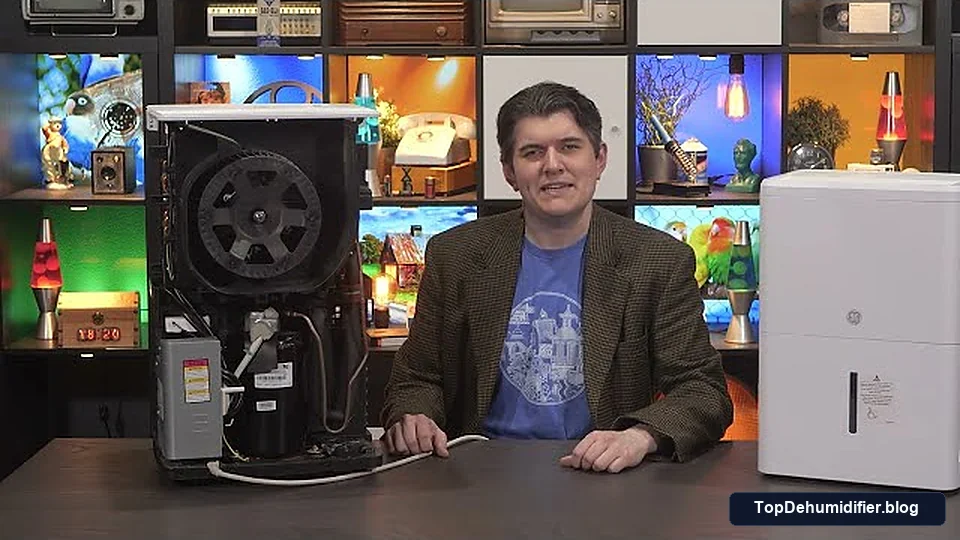
Using our interactive pint capacity calculator prevents excessive runtime and unnecessary heat generation indoors. Oversized units cycle too quickly, while undersized units run constantly and exhaust excess heat.
Calculate room square footage and assess baseline moisture severity before purchasing any extraction equipment. Basements, crawlspaces, and laundry rooms require significantly higher extraction capacities per hour.
Balanced sizing ensures the compressor operates efficiently within its designated duty cycle parameters. Proper equipment matching prevents premature mechanical wear and excessive electrical energy consumption.
Review manufacturer specifications regarding cubic feet per minute ratings to ensure adequate airflow coverage. Correct sizing maintains stable humidity without creating uncomfortable localized heat pockets.
- Proper sizing prevents continuous compressor runtime.
- Avoid oversized units short-cycling frequently.
- Calculate moisture loads using room dimensions.
- Check manufacturer CFM ratings carefully.
Capacity Calculation Steps
Measure total room dimensions accurately to determine cubic volume requirements. Multiply length by width and ceiling height for precise sizing metrics.
Adjust calculations upward for damp basements or chronically wet crawlspace environments. Consulting standardized sizing charts guarantees accurate equipment selection every time.
- Assess square footage and ceiling height thoroughly.
- Account for high-moisture zones like bathrooms.
- Match pint capacity to daily moisture loads.
Step-by-Step Calibration and Placement Procedures
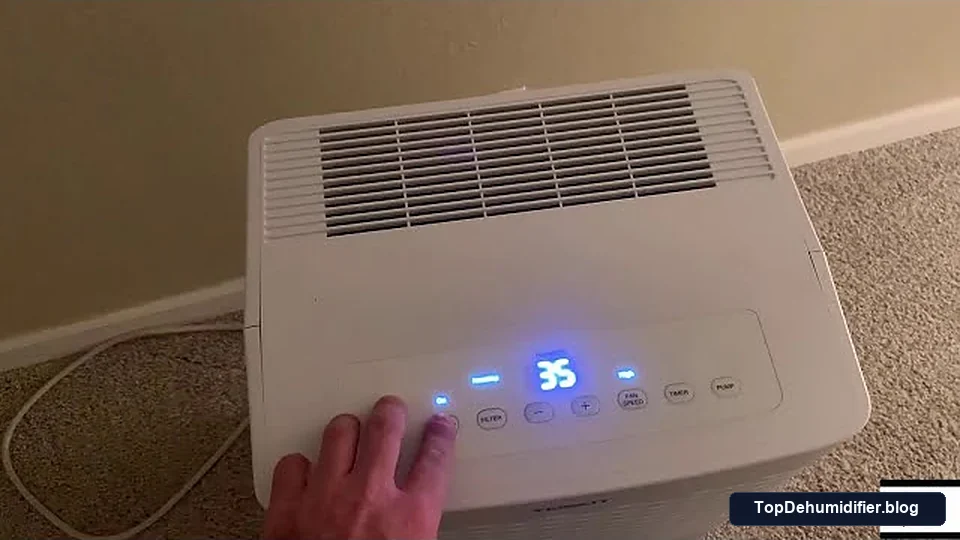
Correct placement maximizes moisture removal and prevents exhausted heat from trapping in corners. Position the appliance at least twelve inches away from walls and furniture obstacles.
Utilize a calibrated digital hygrometer placed across the room to verify onboard humidistat readings. Accurate humidity tracking prevents the compressor from running longer than necessary.
Set the target relative humidity between forty and fifty percent for optimal residential comfort. Avoid setting targets too low to prevent unnecessary mechanical strain and heating.
Ensure the unit sits on a completely level surface to prevent bucket vibration and drainage leaks. Proper leveling protects internal float switches and mechanical components.
- Place units centrally for balanced airflow.
- Set target humidity near fifty percent.
- Ensure level flooring for stable operation.
- Keep away from direct heat sources.
Hygrometer Placement Guidelines
Keep monitoring tools away from direct sunlight and exterior doors for reliable data. Place sensors at mid-height levels to capture representative room humidity metrics.
Calibrate hygrometers periodically using salt test methods to maintain measurement accuracy. Reliable baseline data ensures your dehumidifier operates only when truly necessary.
- Position hygrometers away from thermal drafts.
- Maintain twelve-inch clearance around air intakes.
- Verify onboard humidistat calibration regularly.
Common Operational Errors That Elevate Room Heat
Operating compact units from our best small room dehumidifiers list in sealed closets rapidly increases ambient temperatures. Confined spaces trap exhaust heat, causing the internal compressor to overheat quickly.
Neglecting routine air filter cleaning restricts airflow and forces the appliance to work harder. Reduced airflow causes coil temperatures to fluctuate improperly, generating excessive mechanical heat.
Placing extraction equipment near radiators or sunny windows tricks the onboard sensor into malfunctioning. External heat sources disrupt normal cycling patterns and increase energy consumption.
Failing to drain collection buckets promptly can trigger automatic shutoffs and halt moisture removal. Stagnant humidity then rebounds quickly, worsening overall indoor thermal discomfort.
- Avoid small confined spaces for placement.
- Prevent restricted airflow across evaporator coils.
- Keep units away from external heaters.
- Empty water reservoirs before overflow occurs.
Troubleshooting Overheating Issues
Inspect exhaust vents immediately if the appliance chassis feels unusually hot to the touch. Clear any obstructions blocking the condenser airflow path to restore normal temperatures.
Allow overheated compressors to cool down completely before restarting the electrical system. Continuous thermal stress drastically shortens the operational lifespan of major components.
- Never operate units in cramped, unventilated enclosures.
- Clean clogged air filters immediately.
- Keep equipment away from direct sunlight.
Essential Maintenance Practices for Peak Efficiency
Routine maintenance keeps the refrigeration cycle running efficiently without drawing excess electrical power. Clean coils and filters ensure optimal heat dissipation and maximum moisture extraction rates.
Wash the removable mesh filter monthly using mild soap and warm water to eliminate dust. Allow the filter to dry completely before reinserting it into the appliance housing.
Inspect the internal condensate bucket and drainage hose periodically for mold or mineral buildup. Sanitizing reservoirs prevents biological growth and maintains hygienic indoor air quality standards.
Test the automatic shutoff float switch regularly to prevent accidental water overflow emergencies. Proper maintenance guarantees long-term reliability and prevents unexpected mechanical breakdowns.
- Disconnect power before cleaning internal components.
- Clear dust from evaporator and condenser coils.
- Test float switches for proper shutdown.
- Ensure filters dry fully before installation.
Deep Cleaning Procedures
Unplug the electrical cord completely before performing any internal cleaning operations. Remove exterior panels carefully to access dust-laden condenser and evaporator coils.
Use a soft brush or compressed air to remove stubborn debris from coil fins. Avoid bending delicate aluminum fins during the maintenance and cleaning process.
- Wash mesh filters every single month.
- Sanitize collection buckets to prevent mold.
- Inspect drainage hoses for clogs.
Safety Protocols and Electrical Load Management
Compressor-based appliances draw significant electrical current during startup and continuous operation cycles. Always plug units directly into a dedicated wall outlet rather than extension cords.
Avoid running high-capacity dehumidifiers on overloaded circuits shared with heavy kitchen or workshop appliances. Circuit overloads risk tripping breakers and creating potential electrical fire hazards.
Keep electrical cords away from pooled water and high-traffic walkways to prevent shock hazards. Inspect power cables regularly for fraying, cuts, or exposed internal copper wiring.
Follow local electrical safety codes and manufacturer instructions strictly for permanent drainage installations. Prioritizing safety protects your home and ensures trouble-free long-term dehumidifier performance.
- Plug directly into dedicated wall circuits.
- Keep cords clear of standing water.
- Check for damaged insulation regularly.
- Follow local electrical safety codes.
Electrical Safety Guidelines
Verify that wall receptacles feature functional ground fault circuit interrupters in damp areas. Proper grounding protects users from dangerous electrical shock events near moisture.
Disconnect power cords immediately if you notice burning smells or unusual mechanical buzzing. Consult qualified technicians for professional diagnosis and safe component repairs.
- Always use grounded three-prong wall outlets.
- Never utilize temporary multi-plug extension cords.
- Inspect power cables for physical damage.
Frequently Asked Questions
Do dehumidifiers actually lower room temperature?
No, standard compressor dehumidifiers actually add a slight amount of sensible heat to the treated space. However, lowering relative humidity makes the air feel much cooler on human skin.
Why does my dehumidifier exhaust warm air?
The internal refrigeration cycle extracts moisture by passing air over cold coils, which releases latent heat. This extracted thermal energy is subsequently blown out through the condenser exhaust grille.
How does low humidity make a room feel cooler?
Dry air allows human sweat to evaporate much faster from the skin surface. This natural evaporative cooling process provides significant personal relief despite higher ambient room temperatures.
Should I use an air conditioner instead of a dehumidifier for cooling?
Air conditioners use refrigerants to cool sensible air directly while removing some moisture simultaneously. Dehumidifiers are specialized tools meant strictly for humidity control rather than room cooling.
Can a dehumidifier cause a room to overheat?
Operating large extraction units in tiny, unventilated spaces can trap exhaust heat and raise temperatures. Proper ventilation and correct sizing prevent unwanted thermal buildup in residential rooms.