Does a Dehumidifier Lower Room Temperature?
Operating a refrigeration appliance changes humidity, but physics dictates a minor side effect. Understanding latent versus sensible heat prevents false expectations during seasonal weather transitions.


Units extract water vapor efficiently, but compressor work actually releases minor waste heat. Your room temperature will stay nearly identical or rise slightly while feeling noticeably cooler.
Ready to compare models? Start with our Best Dehumidifier: Top Picks for Basements & Homes.
Practical Quick-Reference Table
| Scenario / Metric | Recommended Target | Why It Matters |
|---|---|---|
| Relative Humidity | 35% to 50% | Optimizes comfort and prevents mold growth. |
| Dry-Bulb Temperature | 68°F to 78°F | Maintains standard residential thermal comfort zones. |
| Air Clearance | 12 Inches Minimum | Ensures unobstructed intake and exhaust airflow. |
| Filter Maintenance | Bi-Weekly Cleaning | Prevents coil dust buildup and overheating. |
| Water Drainage | Continuous or Daily | Avoids stagnation and overflow hazards. |
| Unit Sizing | Pints per Sq Ft | Prevents short-cycling and excessive energy use. |
Thermodynamic Realities of Moisture Removal
Dehumidifiers operate through refrigeration cycles that pull ambient air across chilled evaporator coils. Condensation occurs naturally when humid air drops below its specific dew point temperature.
This phase change converts moisture vapor into liquid water, which drains away safely. However, removing water vapor does not inherently remove thermal energy from the living space.
In fact, the thermodynamic work required to drive the refrigeration loop generates mechanical heat. Compressors and fans consume electrical energy that ultimately converts into direct thermal output.
Users frequently confuse lower relative humidity with actual cooling effects on human skin. Because dry air enhances sweat evaporation, you feel cooler despite constant or slightly higher temperatures.
- Refrigeration coils chill incoming air below the local dew point.
- Liquid condensation collects in buckets or continuous drain lines.
- Mechanical compressor work generates unavoidable electrical resistance heat.
- Human thermal comfort improves via enhanced sweat evaporation rates.
Phase Change Physics
Water vapor carries latent heat energy within the indoor air volume. Condensing this vapor releases latent heat directly back into the surrounding air stream.
This energy transfer offsets any cooling sensation caused by the removal of moisture. Consequently, ambient thermometers rarely show a significant drop during standard residential dehumidification cycles.
- Latent heat is released during vapor condensation.
- Ambient thermometers measure sensible heat exclusively.
Calculating Sensible Versus Latent Heat Loads
HVAC engineering divides indoor thermal loads into sensible and latent components. Sensible heat directly alters air temperature, whereas latent heat governs the amount of airborne moisture.
Standard air conditioners cool air while simultaneously removing moisture as a secondary effect. Dedicated dehumidifiers focus primarily on latent heat reduction rather than sensible cooling functions.
Operating a dehumidifier without an air conditioner alters the indoor enthalpy balance. Choosing the best dehumidifier for room options ensures efficient moisture removal without thermal surges.
Sizing your equipment correctly ensures efficient moisture removal without overloading local electrical circuits. Undersized units run continuously, pumping more waste heat into confined residential spaces.
- Sensible heat changes measurable dry-bulb room temperature.
- Latent heat refers to moisture vapor suspended in air.
- Dehumidifiers manipulate latent loads rather than sensible temperatures.
- Proper sizing prevents excessive continuous compressor runtime hours.
Enthalpy Balance Mechanics
Total air enthalpy combines both sensible temperature and latent moisture content. Extraction shifts energy categories without eliminating total thermal units from the room.
Recognizing this balance helps homeowners manage indoor climate expectations realistically. Do not expect a dehumidifier to replace a functional central air conditioning system.
- Enthalpy measures total air energy content accurately.
- Energy shifts from latent to sensible forms.
Video Walkthrough: Does a Dehumidifier Cool a Room? We Measured It for 8 Hours
Operational Heat Output from Compressor Units

Every mechanical compressor generates internal friction and electrical resistance during operation. When upgrading spaces, evaluating our best dehumidifier for large room selections helps manage thermal outputs.
Depending on the wattage rating, a standard residential unit adds meaningful warmth. Smaller portable models might emit modest heat, while large basement units raise local temperatures noticeably.
Manufacturers design condenser coils to sit directly in the exhaust air path. Re-heating the chilled air prevents over-cooling and optimizes the moisture extraction performance curve.
Enclosed spaces like crawlspaces or small utility rooms experience the highest temperature spikes. Proper ventilation and airflow prevent these compact zones from overheating during summer months.
- Compressors generate mechanical and electrical waste heat.
- Condenser coils intentionally warm the exhaust air stream.
- Wattage ratings dictate the scale of thermal output.
- Small enclosed spaces require adequate cross-ventilation strategies.
Managing Exhaust Thermal Buildup
Exhaust air leaves the device several degrees warmer than intake air. Placing units away from living areas minimizes direct thermal discomfort in occupied rooms.
Ducting options or multi-room placement strategies help distribute this localized heat evenly. Always monitor local ambient sensors to prevent excessive thermal accumulation indoors.
- Exhaust air temperatures exceed intake readings consistently.
- Strategic placement reduces localized overheating issues.
Optimizing Placement and Airflow Dynamics
Strategic equipment placement maximizes moisture extraction while minimizing localized heating effects. Maintain adequate clearance around intake grills to ensure optimal volumetric airflow efficiency.
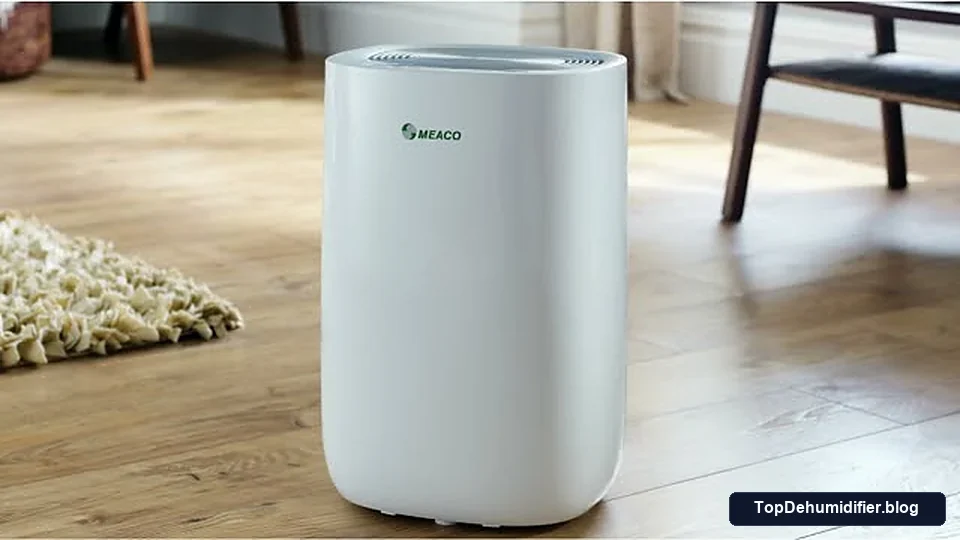
Placing units against interior walls restricts proper circulation and forces hot exhaust recycling. Keep at least twelve inches of open space around all major cabinet panels.
Ceiling fans assist greatly by blending treated dry air with stagnant room layers. For sensitive spaces, reviewing our best dehumidifier for guitar room picks ensures stable humidity levels.
Avoid operating dehumidifiers inside unventilated closets or tight utility enclosures. Confined spaces trap compressor heat rapidly, driving ambient temperatures upward while reducing mechanical lifespan.
- Keep clear perimeter space around intake and exhaust grills.
- Avoid placing units flush against tight interior walls.
- Use ceiling fans to enhance overall room circulation.
- Prevent heat trapping inside small enclosed utility spaces.
Airflow Calibration Steps
Measure ambient velocity using a reliable handheld anemometer near intake vents. Verify that CFM ratings match manufacturer specifications for your room volume.
Clean mesh air filters monthly to prevent airflow restriction and overheating. Restricted airflow forces compressors to work harder, generating excess internal thermal energy.
- Check airflow velocity using standard calibration tools.
- Clean mesh filters to maintain optimal CFM throughput.
Diagnosing Unexpected Thermal Shifts
Unusually high temperature spikes indicate potential mechanical faults within the appliance. Stuck relay switches or refrigerant leaks cause compressors to run continuously without cooling coils.
Dirty condenser coils trap waste heat and elevate the immediate exhaust temperature dangerously. Inspect internal coils regularly for dust buildup, pet hair, or lint obstructions.
Ambient room sensors can also fail, misjudging humidity levels and triggering endless cycles. Calibrate digital hygrometer readings annually using salt-test verification methods for accuracy.
High ambient temperatures outside operating limits strain electrical components significantly. Always check manufacturer temperature thresholds before deploying units in unconditioned garages or sheds.
- Refrigerant leaks cause abnormal compressor overheating issues.
- Dirty condenser coils restrict proper heat dissipation pathways.
- Faulty sensors trigger endless continuous operational run cycles.
- Exceeding manufacturer temperature limits damages internal electrical circuits.
Troubleshooting Overheating Symptoms
Touch the side cabinet panels carefully to detect unusual thermal intensity. Excessive housing warmth points toward failing fans or severely blocked internal airflow paths.
Disconnect power immediately if burning odors or clicking noises accompany the heat. Consult certified HVAC technicians to service sealed refrigeration loops safely.
- Monitor external cabinet temperatures for unusual spikes.
- Disconnect power safely during suspected electrical faults.
Long-Term Maintenance and Coil Efficiency
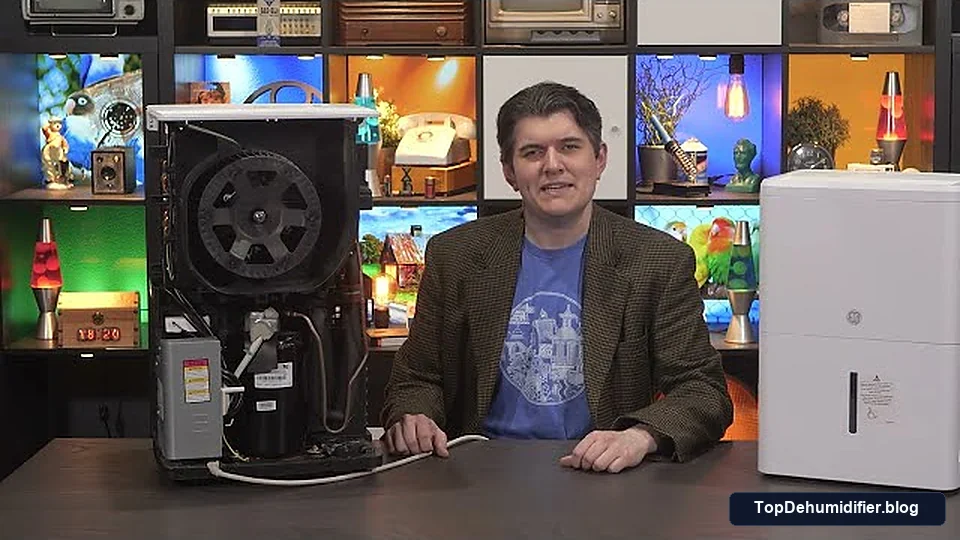
Regular upkeep preserves thermodynamic efficiency and prevents runaway electrical power consumption. Scheduled maintenance reduces compressor strain and extends overall equipment operating lifespans.
Wash removable mesh filters every two weeks using mild soap and warm water. Never operate equipment without filters because dust coats evaporator coils, destroying heat transfer capability.
Inspect condensate drainage hoses routinely for clogs, kinks, or biological slime blockages. Standing water creates overflow hazards and introduces unwanted humidity back into the room.
Store units in climate-controlled environments during extended periods of seasonal non-use. Protect internal electrical boards from moisture and freezing temperatures during winter storage.
- Wash mesh filters bi-weekly with mild soapy water.
- Prevent dust accumulation on delicate evaporator coil fins.
- Inspect drain lines regularly for clogs or kinks.
- Store units securely during prolonged seasonal non-use.
Annual Servicing Protocols
Schedule professional electrical safety checks for older residential dehumidifier units annually. Additionally, using our pint capacity calculator helps verify unit sizing specifications before seasonal deployment.
Professional technicians can verify refrigerant charges and test defrost sensor accuracy. Proper calibration keeps operational heat output within safe manufacturing design parameters.
- Conduct annual electrical safety and current draw checks.
- Verify refrigerant charge levels with qualified technicians.
Frequently Asked Questions
Will running a dehumidifier make my room feel colder?
Operating a dehumidifier reduces indoor relative humidity levels, which significantly enhances natural human sweat evaporation and creates a refreshing cooling sensation on your skin despite constant ambient room temperature readings.
Simultaneously, the mechanical refrigeration cycle generates continuous waste heat that exhausts directly into the living space, meaning the actual measured room temperature frequently increases slightly rather than dropping.
Why does the air coming out of the dehumidifier feel warm?
The warm exhaust air is an intentional design feature of refrigeration-based moisture extraction systems used to prevent over-cooling the treated indoor space.
As air passes across the condenser coils after shedding its moisture, the unit adds back thermal energy, causing the discharge stream to feel noticeably warmer than the room.
Can a dehumidifier replace a broken air conditioning unit?
Dehumidifiers and air conditioners utilize similar refrigeration principles, but their primary engineering objectives differ fundamentally in handling thermal loads.
Dehumidifiers remove latent moisture without providing sensible cooling, meaning they cannot lower room temperatures or replace a dedicated air conditioning system during hot weather.
How much heat does a typical residential dehumidifier add to a room?
The exact amount of thermal output depends heavily on the electrical wattage rating and compressor sizing of your specific appliance model.
While smaller portable units emit very little warmth, large capacity basement units can raise local ambient temperatures by several degrees during continuous operation.
Where is the best place to put a dehumidifier to avoid extra heat?
Positioning the appliance in an open area with strong cross-ventilation prevents warm exhaust air from trapping in tight living zones.
Maintaining adequate clearance around all cabinet grills and using ceiling fans to distribute airflow ensures maximum comfort without concentrated overheating issues.