How Often Should Dehumidifier Air Filter Be Washed?
Maintaining a clean dehumidifier air filter ensures optimal moisture removal and prolongs mechanical lifespan. Discover the exact schedules and techniques required for proper equipment upkeep.

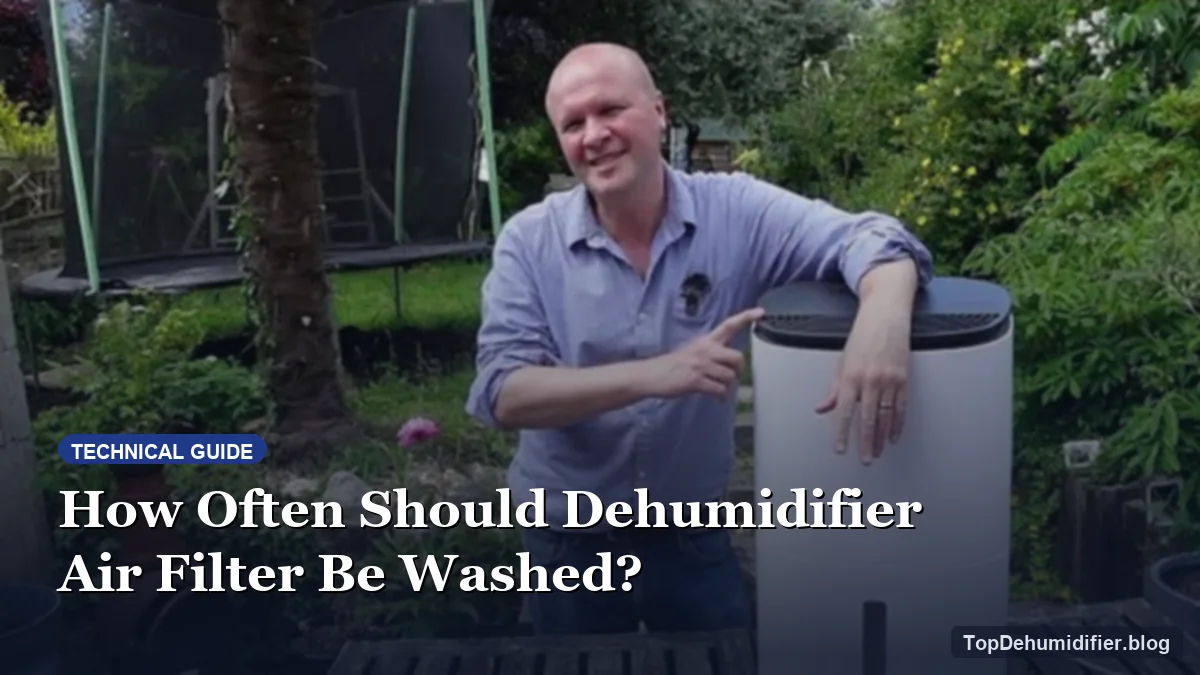
You should wash your dehumidifier air filter every two weeks under standard operating conditions. Regular maintenance prevents static pressure spikes and protects internal evaporator coils.
Ready to compare models? Start with our Best Dehumidifier: Top Picks for Basements & Homes.
Practical Quick-Reference Table
| Scenario / Metric | Recommended Target | Why It Matters |
|---|---|---|
| Standard Residential Use | Every 14 days | Prevents dust buildup and maintains airflow. |
| High-Dust Environments | Every 7 days | Protects coils from rapid particulate choking. |
| Pet-Heavy Households | Every 7 to 10 days | Captures pet dander before static accumulation. |
| Drying Temperature | Air dry completely | Prevents warping of plastic mesh frames. |
| Cleaning Solution | Mild dish soap | Removes greasy residues without degrading synthetic fibers. |
| Visual Inspection | Monthly check | Identifies micro-tears and structural frame damage early. |
Understanding Dehumidifier Air Filtration Mechanics
Dehumidifier air filters are engineered to capture airborne particulate matter before humid air passes over the cold evaporator coils. This foundational barrier keeps dust and lint from insulating the metal refrigeration tubing.
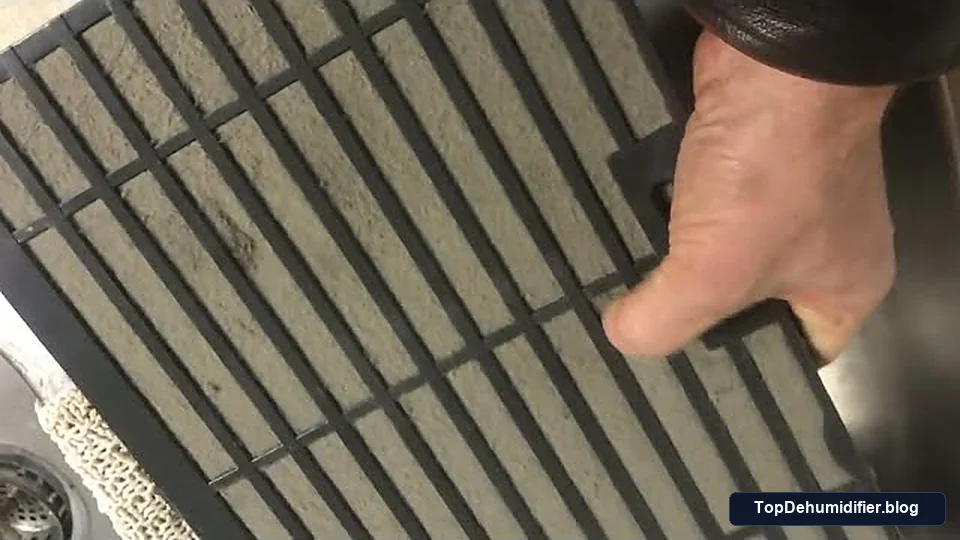
When particulates accumulate on the mesh surface, airflow drops significantly. To understand device distinctions, consult our air purifier vs dehumidifier for mold guide before tackling heavy dampness problems.
Most residential appliances utilize a washable mesh screen made from durable polypropylene or nylon fibers. These reusable screens withstand repeated washing cycles if handled carefully during routine maintenance procedures.
Understanding how this simple mechanical barrier interacts with the entire refrigeration loop highlights the necessity of strict cleaning schedules. Ignoring this basic component severely impairs moisture extraction efficiency across the board.
- Synthetic mesh filters trap large airborne debris effectively.
- Clean screens ensure maximum volumetric airflow over coils.
- Dust buildup acts as an insulator reducing condensation rates.
- Regular washing restores original manufacturer performance baselines.
Anatomy of a Standard Mesh Filter
The typical filter consists of a flexible plastic frame holding a tightly woven synthetic mesh. This lightweight construction allows for easy removal and cleaning without specialized hand tools.
Inspect the perimeter seal to ensure no unfiltered air bypasses the main collection screen. Gaps in the housing let fine dust bypass the barrier and coat internal copper coils.
- Flexible frames snap easily into designated unit tracks.
- Woven mesh balances high airflow with adequate particle arrestance.
- Perimeter gaskets prevent bypass airflow leaks.
Establishing Optimal Cleaning Intervals for Peak Efficiency
Establishing a reliable maintenance schedule is crucial for optimal moisture removal. Before sizing up units, use our pint capacity calculator to verify your square footage requirements accurately.
Operating the appliance in continuous mode during peak summer months demands a more aggressive cleaning protocol. In such scenarios, inspecting the mesh screen weekly prevents unexpected airflow restrictions and overheating.
If you notice a sudden drop in water collection volume, check the filter immediately before suspecting refrigerant leaks. A choked mesh screen often mimics the symptoms of a failing compressor or low refrigerant charge.
Adhering strictly to these temporal guidelines prevents particulate matter from bonding permanently to the synthetic fibers. Once dust cements onto the mesh, standard washing techniques fail to restore proper porosity.
- Wash standard residential units every fourteen days reliably.
- Inspect high-use seasonal appliances on a weekly basis.
- Declining water collection output signals immediate filter inspection needs.
- Proactive washing prevents permanent particulate bonding on mesh.
Seasonal Adjustments to Maintenance Schedules
Spring and autumn transitions often bring elevated pollen counts and airborne debris indoors. Adjust your maintenance frequency to weekly intervals during these heavy allergy and dust seasons.
Winter storage periods require a final deep clean before powering down the unit. Storing a dirty filter promotes microbial growth inside the dark cabinet over the cold months.
- Increase washing frequency during high pollen spring months.
- Perform thorough sanitation before long-term seasonal storage.
- Keep spare filters on hand for quick rotation.
Video Walkthrough: Time to Clean Your Dehumidifier Filter (NOMA)
Environmental Factors Influencing Wash Frequency
Environmental conditions inside your home dictate whether a bi-weekly cleaning schedule is sufficient or inadequate. Homes with multiple shedding pets require filter maintenance every seven days without exception.
Basements and crawl spaces introduce unique particulate challenges, including mold spores, fine masonry dust, and damp soil particles. These heavy contaminants quickly clog standard mesh screens and reduce operational efficiency.
Proximity to active construction zones or unpaved roads necessitates frequent filter interventions to combat fine silica dust. Fine dust particles bypass loose seals and coat the sensitive electronic control boards inside.
Assessing your specific indoor ecosystem helps tailor a customized cleaning frequency that protects the appliance investment. Never rely solely on generic calendar reminders when local environmental loads are exceptionally high.
- Pet-heavy households demand weekly filter washing routines.
- Basement installations require enhanced monitoring due to localized spores.
- Construction proximity accelerates particulate accumulation on mesh surfaces.
- Customized cleaning schedules protect internal electronic components effectively.
Managing High-Dust and Pet Environments
Pet hair weaves tightly into synthetic mesh screens, creating an impermeable barrier against airflow. Use a soft-bristle brush to gently loosen embedded fur before applying liquid soap.
Combine dehumidifier upkeep with routine tasks, and consider upgrading if allergies are severe; our best dehumidifier with hepa filter roundup highlights top allergen-trapping models.
- Brushing removes intertwined pet hair prior to washing.
- Synchronize appliance maintenance with existing HVAC routines.
- Inspect intake grilles for secondary pet hair blockages.
Step-by-Step Procedure for Washing and Drying Filters
Begin the cleaning process by powering off the dehumidifier and unplugging the power cord from the wall outlet. Safety compliance prevents accidental electrical shock during routine maintenance tasks.
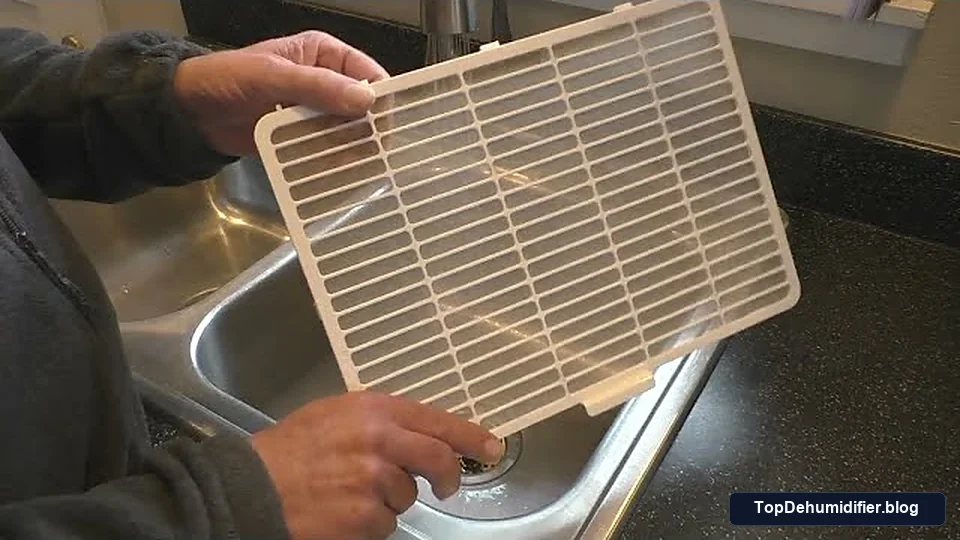
Gently slide the filter out from its intake housing slot, taking care not to bend the plastic perimeter frame. Take the screen to a nearby sink for rinsing under lukewarm tap water.
Apply a few drops of mild dish soap to break down oily indoor films trapped in the mesh. Gently rub the surface with your fingers, avoiding abrasive scrubbers that tear synthetic fibers.
Rinse the filter thoroughly from the clean side out to push trapped debris away. For damp subterranean spaces, review our best dehumidifier and air purifier for basement options to maximize air quality.
- Always disconnect power before touching internal components.
- Use lukewarm water and mild dish soap for cleaning.
- Avoid harsh chemical solvents that degrade plastic mesh.
- Ensure complete air drying before inserting the filter back.
Avoiding Common Drying Mistakes
Never use heated hair dryers or place the damp mesh directly under direct sunlight to accelerate drying. Excessive heat warps the plastic frame and ruins the precise housing fit.
Verify that the filter is 100 percent dry before sliding it back into the running appliance. Inserting a wet filter introduces excess moisture directly into the electrical intake compartment.
- Keep synthetic filters away from high heat sources.
- Confirm complete dryness to protect internal electrical bays.
- Allow natural ambient airflow to finish the drying process.
Recognizing Signs of Premature Filter Wear and Degradation
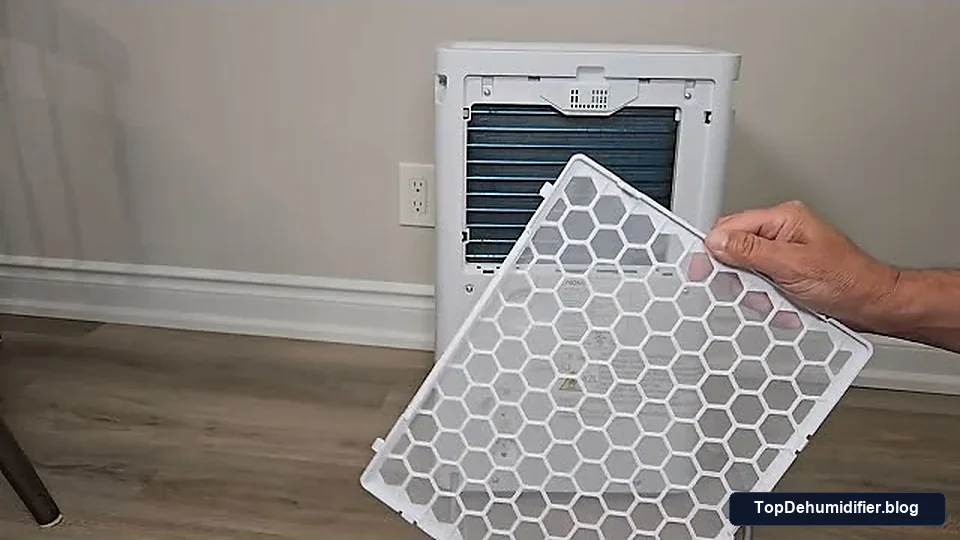
Regular washing eventually causes microscopic wear on the synthetic mesh and plastic support frame. Inspect your filter monthly under bright lighting to catch structural failures before they affect performance.
Look closely for frayed threading, torn mesh intersections, or warped perimeter corners that create air gaps. A compromised filter allows unfiltered dust to coat the delicate aluminum evaporator fins directly.
When structural integrity fails, replacement is the only viable technical solution to protect the refrigeration system. Operating with a torn screen defeats the primary purpose of having internal filtration altogether.
Keep track of the appliance age, as original equipment filters typically require replacement after several seasons of heavy use. Investing in an exact manufacturer-specified replacement maintains proper static pressure balances.
- Inspect filters monthly for microscopic tears and fraying.
- Warped frames demand immediate replacement to prevent air bypass.
- Torn mesh allows direct dust accumulation on evaporator coils.
- Source official replacement parts matching original equipment specifications.
Identifying Airflow Restrictions Caused by Wear
An aged filter may sag in the middle, reducing the functional intake surface area significantly. This physical distortion restricts proper air velocity across the refrigerated coils.
Compare the rigidity of your current mesh against a brand-new replacement part periodically. Loss of structural tension indicates the material has fatigued from repeated washing cycles.
- Sagging mesh areas reduce total functional surface space.
- Compare old and new parts to assess material fatigue.
- Replace fatigued screens to maintain design static pressure.
Video Walkthrough: How To Clean and Care For Your Dehumidifier
Preventing Mold Growth and Microbial Contamination
Dehumidifiers operate in high-humidity environments, making air filters prime breeding grounds for mold spores and bacteria. Washing the screen regularly removes organic residues that fuel microbial proliferation.
If you detect a musty odor when the appliance starts running, inspect the filter and collection bucket immediately. Mildew colonies thriving on trapped dust particles release spores directly into your living space.
Sanitize occasionally by soaking the mesh in a diluted vinegar solution for ten minutes before rinsing. This natural disinfectant eliminates microscopic mold roots without damaging the delicate nylon weave.
Never reinstall a damp filter into a dark storage cabinet or unventilated unit housing. Trapped moisture combined with dark interiors triggers rapid fungal growth within hours of shutdown.
- Regular washing starves mold colonies of organic food sources.
- Musty odors indicate active microbial growth on the filter.
- Use diluted white vinegar for safe, non-toxic sanitization.
- Ensure total dryness before any extended shutdown period.
Deep Sanitation Techniques for Stubborn Odors
Prepare a basin with equal parts lukewarm water and white vinegar to submerge the filter. This mild acid safely neutralizes stubborn organic odors clinging to the synthetic fibers.
Rinse thoroughly with clean water after the vinegar soak to eliminate lingering aromatic traces. Dry the component completely in a well-ventilated room before returning it to service.
- Mix equal parts water and vinegar for safe soaking.
- Submerge the filter for ten minutes to neutralize odors.
- Rinse thoroughly to remove residual vinegar scents completely.
Technical Impact of Neglected Filters on Compressor Health
A neglected air filter creates excessive static pressure drop across the evaporator coil assembly. This restriction starves the refrigeration loop of adequate heat transfer, causing liquid refrigerant to flood back.
Compressors rely on steady airflow to evaporate incoming refrigerant safely before the gas enters the pumping chamber. Choked filters disrupt this thermodynamic balance and threaten catastrophic mechanical failure.
Furthermore, restricted airflow causes evaporator temperatures to drop below freezing, resulting in heavy ice formation. Frozen coils further block air passage and force the compressor to run continuously without rest.
Protecting your compressor investment requires treating the humble air filter as a critical engineering component. Simple bi-weekly washes prevent the cascading thermal failures that shorten appliance lifespans dramatically.
- Dirty filters restrict airflow and disrupt refrigeration thermodynamics.
- Refrigerant flooding threatens permanent compressor mechanical damage.
- Blocked airflow triggers unwanted coil icing and continuous cycling.
- Routine filter hygiene directly extends overall equipment operating lifespan.
Warning Signs of Refrigeration Stress
Listen for unusual humming or straining noises emanating from the compressor housing during operation. Increased acoustic output often signals high operational loads caused by restricted airflow.
Check for frost accumulation on the metal coils behind the filter assembly immediately. Ice buildup confirms that airflow restriction has pushed operating temperatures below safe thresholds.
- Monitor for unusual mechanical straining noises from compressors.
- Inspect internal coils for abnormal frost and ice formation.
- Address airflow restrictions before thermal overloads trigger breakers.
Frequently Asked Questions
Can I put my dehumidifier air filter in the dishwasher?
Never wash your filter in a dishwasher because high water temperatures will warp the plastic frame. Always wash the mesh screen by hand using lukewarm water and mild dish soap.
What happens if I run my dehumidifier without a filter?
Running the unit without a filter allows airborne dust to coat the cold evaporator coils directly. This insulation reduces moisture extraction efficiency and forces the compressor to overheat.
How can I tell if my air filter is permanently ruined?
Look for visible tears in the mesh, frayed edges, or warped plastic corners that create air gaps. A damaged filter must be replaced immediately to protect internal components.
Should I use bleach to disinfect a moldy dehumidifier filter?
Avoid harsh household bleach because it degrades synthetic nylon fibers and leaves chemical residues. Use a diluted vinegar solution instead to safely eliminate mold and stubborn odors.
Is it normal for a clean filter to dry slowly indoors?
Natural air drying takes anywhere from one to two hours depending on ambient room humidity levels. Placing the component in a well-ventilated area accelerates evaporation safely without heat.