HVAC Humidity Setting Summer: Target Guide
Mastering summer HVAC humidity control protects building materials and occupant health. Precise psychrometric management prevents mold growth while maintaining indoor thermal comfort.


Set your summer indoor relative humidity between 50 percent and 55 percent for balanced comfort. Avoid lower targets to prevent excessive energy consumption and structural mechanical strain.
Ready to compare models? Start with our Best Dehumidifier: Top Picks for Basements & Homes.
Practical Quick-Reference Table
| Scenario / Metric | Recommended Target | Why It Matters |
|---|---|---|
| Indoor Relative Humidity | 50% - 55% | Balances human comfort and prevents mold growth. |
| Hygrometer Salt Test | 75% Baseline | Verifies digital sensor calibration accuracy reliably. |
| Air Filter Interval | Monthly (Summer) | Maintains proper CFM airflow and static pressure. |
| Basement Humidity Limit | Under 50% | Protects structural wood and stops microbial spread. |
| Condensate Maintenance | Monthly Flush | Prevents drain clogs and overflow switch shutdowns. |
| Evaporator Coil Temp | 40°F - 45°F | Maximizes moisture condensation and latent heat removal. |
Understanding Summer Psychrometrics and HVAC Loads
Summer cooling requires managing both sensible heat and latent moisture loads simultaneously. Air conditioning systems inherently remove humidity by condensing water vapor on cold evaporator coils during standard operation cycles.
High outdoor dew points increase latent loads entering through ventilation envelopes. Homeowners balancing seasonal moisture should review dehumidifier vs humidifier for summer choices to prevent indoor humidity from rising.
Psychrometric charts map the complex relationship between dry-bulb temperature, relative humidity, and dew point. Technicians use these thermodynamic principles to calculate exact structural cooling requirements for specific geographic zones.
Oversized air conditioners short-cycle, dropping temperature rapidly without removing adequate moisture. This leaves homes feeling clammy and cold, proving that proper equipment sizing dictates true latent removal success.
- Monitor outdoor dew points alongside indoor relative humidity levels.
- Match total equipment capacity to localized latent heat loads.
- Avoid oversized systems that shorten runtime and reduce dehumidification.
- Maintain standard evaporator coil temperatures for optimal moisture condensation.
Latent versus Sensible Heat Dynamics
Sensible heat alters dry-bulb air temperature, whereas latent heat involves suspended water vapor. Balancing these distinct thermal components requires continuous monitoring of dynamic indoor psychrometric conditions.
Extended runtimes allow cooling equipment to pull maximum moisture from circulated air. Short cycles terminate before condensate can effectively drain, leaving moisture trapped inside ductwork systems.
- Track sensible and latent loads independently.
- Prioritize extended runtimes for maximum moisture removal.
Determining the Optimal Summer Indoor Humidity Setpoint
Setting your thermostat correctly during summer months ensures a healthy indoor environment. Maintaining indoor relative humidity between 50 percent and 55 percent prevents biological growth while maintaining human thermal comfort.
Pushing humidity targets below forty percent forces HVAC equipment to run continuously. This extreme operational demand spikes utility costs and places unnecessary mechanical stress on compressor components.
Conversely, letting indoor humidity exceed sixty percent invites mold colonization. Property owners should evaluate dehumidifier vs air conditioner for humidity control options because spores thrive in warm, damp structural environments.
Modern programmable thermostats feature dedicated humidity controls that integrate with variable-speed air handlers. These advanced features allow precise modulation of blower speeds to optimize moisture extraction automatically.
- Target a strict relative humidity range of fifty to fifty-five percent.
- Avoid dropping indoor humidity targets below forty percent unnecessarily.
- Prevent humidity levels from exceeding sixty percent to stop mold.
- Utilize communicating thermostats for automated latent load management.
Balancing Comfort and Structural Safety
Thermal comfort depends heavily on how efficiently human skin evaporates perspiration. Higher humidity inhibits this natural cooling mechanism, making ambient air feel significantly warmer than actual temperatures.
Protecting building materials requires keeping indoor vapor pressure stable throughout peak summer heatwaves. Consistent humidity control prevents wood warping, paint blistering, and condensation accumulation inside exterior wall assemblies.
- Maintain stable vapor pressure to protect structural building materials.
- Monitor human comfort alongside mechanical efficiency metrics daily.
Video Walkthrough: What's the Best Humidity Level for Your Home?
Calibrating Thermostats and Hygrometers for Accuracy
Inaccurate sensor readings lead to improper HVAC adjustments and persistent indoor humidity problems. Calibrating your digital hygrometer ensures reliable data collection before making major climate control adjustments.
The salt test provides a reliable field calibration method for standard hygrometers. Seal your sensor inside a bag with a saturated sodium chloride solution for six hours to verify baseline accuracy.
A properly calibrated sensor should read exactly 75 percent relative humidity inside the sealed test environment. Adjust any calibration offsets on your digital display to match this known thermodynamic standard.
Wall-mounted thermostats must be installed away from direct sunlight and supply registers. Thermal interference corrupts internal thermistors, causing erratic climate control behavior and incorrect moisture readings.
- Perform salt calibration tests on hygrometers annually.
- Adjust digital display offsets to match the seventy-five percent baseline.
- Mount thermostats away from direct sunlight and supply vents.
- Replace failing sensors showing persistent measurement drift.
Sensor Placement and Maintenance Protocols
Clean dust and debris from sensor grills regularly using compressed air. Accumulated particulate matter insulates sensing elements, slowing response times and distorting real-time environmental measurements significantly.
Check remote wireless sensor connections to ensure uninterrupted data transmission to main HVAC controllers. Signal interference can freeze readings, preventing automated dehumidification cycles from engaging properly.
- Clean sensor grills periodically with compressed air.
- Verify wireless sensor signal strength and battery status.
Managing Airflow, Blower Speeds, and Latent Removal
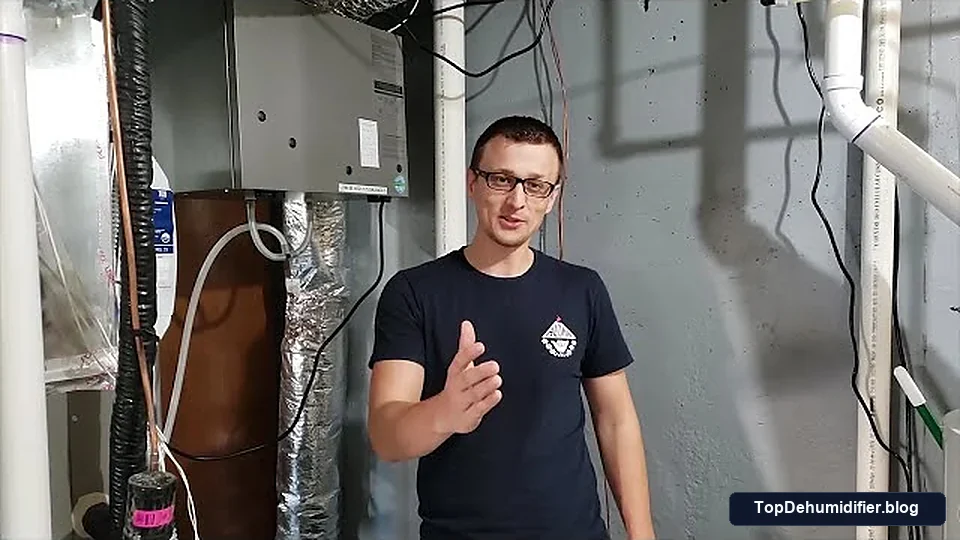
Airflow velocity directly dictates how much moisture your cooling system extracts during operational cycles. High fan speeds push air across coils too quickly, preventing adequate condensation and moisture removal.
Modern variable-speed blowers ramp down during humid weather to slow airflow rates. Slower air velocity increases dwell time on cold evaporator coils, significantly boosting latent moisture extraction efficiency.
Ductwork static pressure must remain within manufacturer specifications to maintain designed blower performance. Use our pint capacity calculator before sizing equipment to ensure proper airflow balance and total system efficiency.
Inspect air filters monthly during heavy summer cooling seasons to prevent excessive pressure drops. Clean filters ensure optimal CFM delivery, allowing variable-speed systems to modulate dehumidification performance accurately.
- Reduce blower speed during peak humidity to increase coil dwell time.
- Monitor ductwork static pressure to protect fan motor efficiency.
- Replace clogged air filters monthly to maintain proper airflow.
- Verify CFM delivery matches equipment manufacturer design specifications.
Optimizing Fan Delay Profiles
Program your thermostat fan setting to auto rather than continuous operation during summer. Continuous fan operation blows collected condensate back into indoor air streams, raising humidity levels.
Modern systems utilize off-delay profiles to re-evaporate residual coil moisture safely after cooling cycles end. Adjust these timing parameters carefully to balance latent removal with sensible cooling requirements.
- Keep thermostat fan setting on auto during summer months.
- Configure off-delay profiles to prevent residual moisture re-evaporation.
Integrating Supplemental Dehumidification Systems Safely
Standard air conditioners often struggle to control humidity in tightly sealed modern buildings. Integrating whole-house dehumidifiers provides dedicated latent capacity without overcooling your living space during mild summer days.
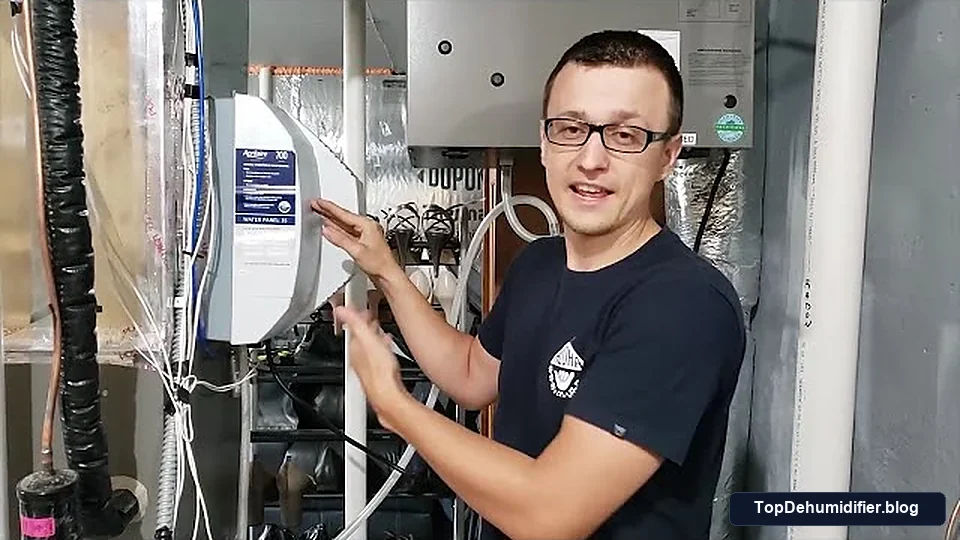
Whole-house units tie directly into existing ductwork networks, intercepting return air for targeted moisture removal. These systems operate independently from cooling compressors, ensuring precise humidity control around the clock.
Electrical integration requires dedicated circuits and proper interlocking with your main HVAC control board. When planning whole-home setups, consult our best ducted dehumidifier for hvac guide to prevent system overloads.
Condensate management demands careful installation of sloped drain lines and reliable auxiliary safety switches. Unchecked condensate backups cause severe water damage to subfloors, framing, and surrounding electrical installations.
- Install whole-house units for dedicated summer latent capacity.
- Interlock dehumidifier controls with main HVAC system wiring.
- Run dedicated electrical circuits for high-capacity supplemental units.
- Equip condensate lines with reliable safety overflow switches.
Standalone Units Versus Ducted Integration
Portable standalone dehumidifiers work well in isolated damp zones like basements or crawlspaces. However, they require manual water bucket emptying or continuous gravity drainage hose configurations.
Ducted systems offer hands-free operation and uniform humidity distribution throughout multi-story residential structures. Evaluate your specific layout constraints and budget before selecting a whole-house integration strategy.
- Use portable units for isolated damp rooms.
- Choose ducted systems for whole-house uniform humidity control.
Video Walkthrough: Humidity
Preventing Mold Growth and Duct Condensation Risks
Warm summer air carrying high moisture loads creates severe condensation risks on cold surfaces. Uninsulated supply ducts passing through unconditioned attics frequently develop surface moisture, encouraging rapid mold colonization.
Wrapping accessible metal ductwork with vapor-retardant fiberglass insulation stops warm ambient air contact. This thermal break prevents dew point condensation from forming on exterior duct walls during peak humidity.
Inspect supply registers and return grilles weekly for signs of dark microbial spotting. Promptly clean contaminated metal surfaces using approved fungicidal agents while wearing appropriate personal protective equipment.
Maintain positive indoor air pressure slightly above outdoor atmospheric levels to limit infiltration. Positive pressure forces conditioned air outward through tiny envelope cracks, stopping unconditioned humid air entry.
- Insulate all ductwork passing through unconditioned building spaces.
- Inspect registers weekly for early signs of microbial growth.
- Maintain slight positive indoor air pressure to stop infiltration.
- Apply approved fungicidal cleaners to contaminated hard surfaces immediately.
Crawlspace and Basement Moisture Mitigation
Subterranean spaces require robust vapor barriers to isolate moist earthen floors from living areas. Heavy polyethylene sheeting sealed at all seams prevents upward moisture migration effectively.
Combine crawlspace encapsulation with dedicated dehumidifiers to maintain relative humidity below recommended safety thresholds. This comprehensive defense strategy protects wooden floor joists from structural rot and fungal attack.
- Install heavy polyethylene vapor barriers in crawlspaces.
- Combine encapsulation with dedicated subterranean dehumidification equipment.
Routine Maintenance Protocols for Peak Efficiency
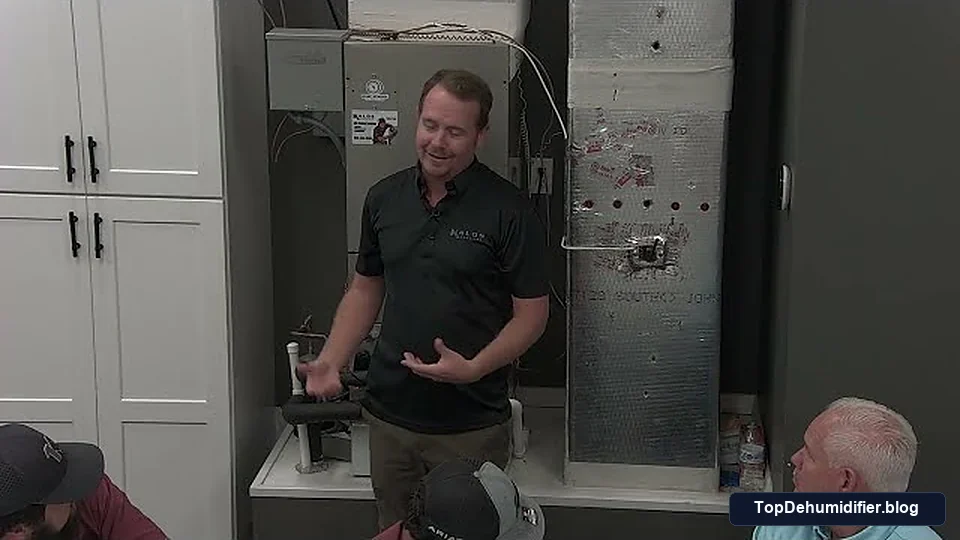
Preventive maintenance ensures your HVAC system maintains optimal latent removal efficiency all summer long. Neglected mechanical components lose performance capacity, leading to rising indoor humidity and higher operating expenses.
Flush condensate drain lines monthly using a mild vinegar solution or specialized enzymatic tablets. Clearing biological slime prevents clogs that trigger emergency float switches and shut down cooling operations.
Clean outdoor condenser coils annually to ensure efficient heat rejection during peak cooling cycles. Dirty coils elevate system head pressure, forcing compressors to work harder and reducing moisture extraction.
Schedule professional HVAC inspections before summer weather arrives to verify refrigerant charge levels. An undercharged system cannot adequately cool evaporator coils, severely crippling its ability to extract latent moisture.
- Flush condensate drain lines monthly with vinegar solutions.
- Clean outdoor condenser coils annually to maintain heat rejection.
- Schedule professional pre-summer HVAC system performance tune-ups.
- Verify correct refrigerant charge levels to ensure coil cooling.
Professional Diagnostic Checklists
Certified technicians measure superheat and subcooling parameters to evaluate refrigerant circuit health precisely. These advanced diagnostics uncover hidden restrictions or compressor issues before catastrophic mechanical failure occurs.
Keep detailed service logs tracking filter replacements, coil cleanings, and calibration dates. Documented maintenance history ensures warranty compliance and maximizes the operational lifespan of your climate control equipment.
- Track superheat and subcooling parameters during tune-ups.
- Maintain comprehensive logs of all completed maintenance tasks.
Frequently Asked Questions
Why does my house feel clammy even when the AC is running constantly?
Oversized central cooling equipment drops ambient air temperatures far too quickly without extracting adequate moisture from the circulating airflow. This rapid short-cycling leaves high latent humidity trapped inside your living space, creating an uncomfortably clammy indoor environment.
Modulating variable blower speeds or installing supplemental dehumidification equipment effectively resolves this common thermodynamic imbalance.
What is the absolute best summer humidity setting for a residential HVAC system?
Maintaining indoor relative humidity strictly between fifty and fifty-five percent provides the ideal operational balance for human comfort and structural protection.
This precise target prevents biological mold growth and wood warping while avoiding excessive energy consumption, high utility bills, and unnecessary mechanical compressor strain during peak summer heatwaves.
How can I test if my digital hygrometer is reading accurately?
Perform the standard salt calibration test by sealing your digital sensor inside a plastic bag with a saturated saltwater solution for six hours.
A reliable hygrometer should display exactly seventy-five percent humidity in this controlled environment, allowing you to adjust any measurement offsets accordingly.
Does running the continuous fan setting on my thermostat increase indoor humidity?
Running your indoor blower continuously during humid summer weather pulls collected condensate right back into the living space air stream. Always set your thermostat fan control to auto so moisture can properly drain from the evaporator coils between cooling cycles.
When should I consider installing a whole-house dehumidifier?
Consider a whole-house system if your central air conditioner cannot maintain target humidity levels without drastically overcooling the home. Dedicated ducted dehumidifiers provide independent latent capacity to keep your living space comfortable without dropping indoor temperatures too low.