Humidity Setting for Summer: What to Use
Maintaining correct indoor humidity during hot months prevents structural mold growth and lowers cooling loads. Proper psychrometric balance ensures maximum human comfort without overworking your refrigeration system.


Set your dehumidifier between 50% and 55% relative humidity during peak summer months. This specific range prevents microbial proliferation while maintaining efficient energy consumption across standard residential compressors.
Ready to compare models? Start with our Best Dehumidifier: Top Picks for Basements & Homes.
Practical Quick-Reference Table
| Scenario / Metric | Recommended Target | Why It Matters |
|---|---|---|
| Standard Living Space | 50% to 55% RH | Balances thermal comfort and inhibits mold. |
| Basement in Summer | 45% to 50% RH | Mitigates cooler subterranean dew point risks. |
| Occupied Bedrooms | 50% RH | Reduces dust mite activity and improves sleep. |
| High Occupancy Zones | 45% RH | Offsets human respiration moisture output. |
| Unconditioned Garages | 55% to 60% RH | Prevents metal oxidation without constant cycling. |
| Continuous Drainage | Direct gravity feed | Ensures uninterrupted moisture extraction cycles. |
Understanding Summer Psychrometrics and Dew Points
Summer air holds significantly more water vapor than winter air due to elevated ambient temperatures. Understanding psychrometric principles helps technicians configure residential units for optimal latent heat removal.
Use our pint capacity calculator to determine the exact moisture removal needed for your space. Maintaining a 50% relative humidity target prevents structural condensation.
Dew point is the exact temperature at which ambient moisture begins condensing into liquid water. Monitoring this metric prevents hidden water damage behind drywall and insulation layers.
Latent cooling loads demand precise compressor operation to extract airborne moisture effectively. Balancing sensible and latent cooling prevents clammy indoor conditions without freezing evaporator coils.
- Track daily outdoor dew point spikes using a calibrated hygrometer.
- Keep indoor temperatures stable to prevent sudden condensation events.
- Calculate moisture load based on square footage and local climate zones.
- Prioritize latent heat removal over rapid temperature drops.
Calibrating Humidistats for Seasonal Climate Shifts
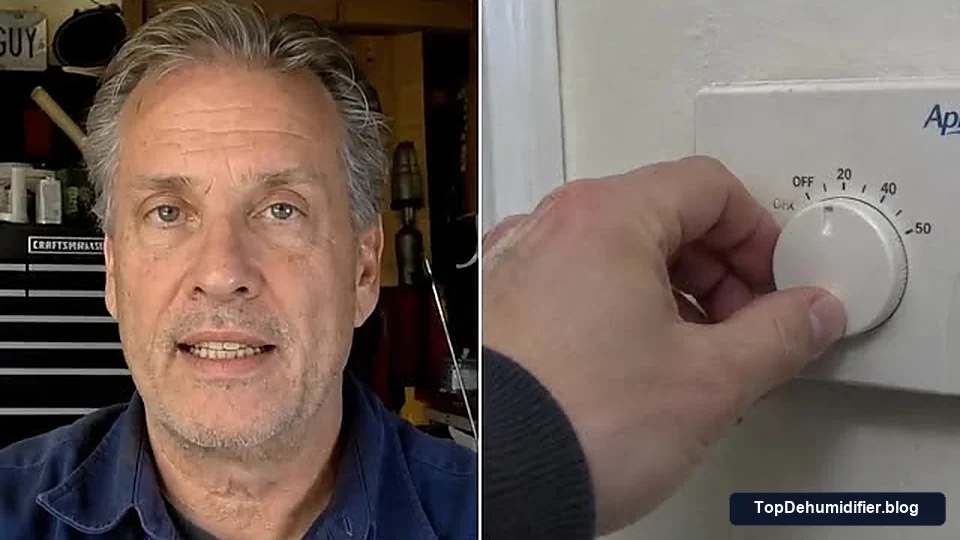
Digital humidistats require periodic calibration to ensure accurate moisture readings during humid summer months. Internal sensors drift over time, leading to inaccurate compressor cycling and excessive energy use.
Position your external hygrometer away from direct sunlight and supply vents. Accurate placement guarantees that the internal control board receives representative air samples from the primary living zone.
Avoid setting residential units below 45 percent relative humidity. Excessively dry air strains wooden furniture, irritates respiratory tracts, and forces compressors to run continuously without significant benefit.
Test your sensor accuracy annually using a salt test method inside a sealed container. This baseline verification ensures reliable performance throughout the heavy summer operational cycle.
- Calibrate onboard sensors using salt-test verification kits.
- Mount control units at breathing height in open hallways.
- Avoid placing hygrometers near exterior doors or windows.
- Inspect wiring harnesses for corrosion or loose terminal connections.
Video Walkthrough: What's the Best Humidity Level for Your Home?
Managing Basement and Subterranean Moisture Loads

Consulting our best dehumidifiers for basements guide helps identify units built for subterranean thermal dynamics. Cooler earth temperatures dramatically increase condensation risks on foundation walls.
Set basement dehumidifiers slightly lower than main floor living spaces, targeting 45 to 50 percent relative humidity. Lower thresholds counteract subterranean vapor drive and suppress basement mold growth.
Seal all foundation cracks and rim joists before deploying heavy-duty extraction equipment. Unsealed infiltration points allow humid outdoor air to continuously bypass your mechanical drying efforts.
Insulate cold water supply pipes passing through subterranean utility rooms. Preventing pipe sweating minimizes localized pooling and reduces the overall moisture burden on your extraction unit.
- Target 45% to 50% RH in below-grade basement spaces.
- Seal foundation penetration points to block outdoor air infiltration.
- Insulate exposed plumbing lines to eliminate pipe sweating.
- Elevate appliances off concrete slabs using corrosion-resistant stands.
Subterranean Air Sealing Techniques
Locating and sealing rim joists stops outdoor humid air infiltration effectively. Expanding polyurethane foam sealants block vapor migration pathways around concrete foundation headers.
Apply thick vapor barriers over exposed earthen crawlspace floors very securely. Heavy-duty polyethylene sheeting prevents ground soil moisture from rising into lower building framing timbers.
- Apply closed-cell foam along concrete sill plates.
- Overlap crawlspace vapor sheeting by at least twelve inches.
Optimizing Airflow and CFM Delivery Rates
Proper cubic feet per minute delivery ensures conditioned air circulates thoroughly throughout every corner. Inadequate fan speeds cause pockets of stagnant, humid air to form behind large furniture.
Keep intake grilles and exhaust louvers completely unobstructed by draperies, walls, or furniture. Maintaining clear airflow paths maximizes evaporator coil efficiency and prevents premature compressor thermal overload.
Clean washable mesh air filters every two weeks during heavy summer operation cycles. Dust accumulation restricts airflow, forcing the blower motor to work harder while reducing water extraction rates.
Select high-velocity blower settings when treating large open-plan living areas. Consistent air movement accelerates moisture evaporation from carpets and upholstery surfaces into the main room atmosphere.
- Maintain minimum clearance of twelve inches around all cabinet vents.
- Vacuum mesh filters bi-weekly to prevent particulate flow restrictions.
- Adjust internal fan speeds to match total room volume dimensions.
- Monitor static pressure drops across dirty filter media regularly.
Integrating Dehumidification with Central HVAC Systems
Our dehumidifier vs air conditioner comparison highlights their distinct operational roles. While AC systems remove moisture passively, dedicated units provide precise latent control for homes.
Avoid running central air conditioning and standalone dehumidifiers in direct conflict. Space them properly so the compressor heat output does not unnecessarily increase your home cooling load.
Whole-house dehumidification systems tie directly into existing ductwork for balanced moisture distribution. These integrated setups manage humidity levels uniformly across every room without portable units.
Program your central thermostat fan setting to auto rather than continuous during humid spells. Continuous fan operation re-evaporates trapped condensate from cooling coils back into living spaces.
- Coordinate thermostat settings with portable extraction schedules.
- Inspect ductwork joints for air leaks that compromise efficiency.
- Consider whole-house ducted systems for multi-zone moisture control.
- Prevent sensible heat conflict between cooling and drying appliances.
Video Walkthrough: Humidity
Electrical Safety and Continuous Drainage Protocols
High summer humidity increases electrical shock risks around water-collection reservoirs. Always plug extraction equipment into ground fault circuit interrupter outlets to prevent dangerous electrical accidents.
Utilize gravity-fed drainage hoses to bypass manual bucket emptying routines during peak summer weeks. Ensure hoses slope downward continuously to prevent water backups and internal overflow damage.
Install external condensate pumps if gravity drainage routes are unavailable in your basement layout. Check pump check valves periodically to ensure reliable water evacuation during heavy storms.
Inspect power cords for fraying or cracking caused by aging and heavy seasonal usage. Never use extension cords, as high electrical draw creates fire hazards over prolonged periods.
- Plug units strictly into dedicated GFCI-protected electrical outlets.
- Route gravity drainage hoses with a constant downward slope.
- Test external condensate pump floats before leaving units unattended.
- Discard damaged power cables immediately and replace standard fuses.
Routine Maintenance for Peak Summer Performance
Review our dehumidifier vs humidifier for summer guide to understand seasonal equipment needs. Preventive maintenance ensures proper performance while preventing coils freezing and reduced capacity.

Wash condensate buckets monthly with a mild antimicrobial solution to prevent bacterial slime buildup. Stagnant water reservoirs easily harbor mold spores that disperse into your living environment.
Inspect the evaporator and condenser coils annually for dust and mineral scale accumulation. Clean coils with approved commercial foaming agents to maintain optimal heat transfer efficiency rates.
Verify that the internal defrost control sensor functions correctly during high-humidity cycles. Proper sensor operation prevents ice sheets from forming on cold evaporator coils during overnight runs.
- Clean collection buckets monthly with mild disinfectant solutions.
- Inspect evaporator coils annually for stubborn dust buildup.
- Verify defrost sensor continuity using a digital multimeter.
- Store units in dry, climate-controlled spaces during off-seasons.
Frequently Asked Questions
What is the ideal humidity setting for summer?
Set your dehumidifier between 50% and 55% relative humidity during peak summer months. This exact range stops mold growth while maintaining efficient energy consumption.
Should I run my dehumidifier 24/7 in summer?
Running units continuously is often necessary during prolonged heatwaves with high dew points. Utilize a built-in humidistat to cycle the compressor automatically when targets are met.
Why does my dehumidifier run constantly without stopping?
Continuous operation usually indicates an oversized moisture load, unsealed air leaks, or an incorrect humidity setpoint. Inspect nearby windows and doors for drafts admitting humid air.
Does a dehumidifier cool down the room air?
Dehumidifiers actually discharge mild heat through their condenser coils during the refrigeration cycle. Expect a slight temperature increase of two to five degrees in small spaces.
How do I prevent mold inside the water collection bucket?
Wash the reservoir weekly using a mild bleach or vinegar solution to eliminate bacterial slime. Connecting a direct gravity drainage hose completely bypasses this manual cleaning chore.