Dehumidifier Relative Humidity Setting for Mold Prevention
Maintaining proper indoor moisture is essential to stop fungal growth. This technical guide explains exact relative humidity thresholds and operational parameters for your dehumidifier.


Set your dehumidifier between 30% and 50% relative humidity to effectively inhibit mold spore germination. Maintaining this tight window prevents structural rot and protects indoor air quality.
Ready to compare models? Start with our Best Dehumidifier: Top Picks for Basements & Homes.
Practical Quick-Reference Table
| Scenario / Metric | Recommended Target | Why It Matters |
|---|---|---|
| Standard Living Spaces | 45% to 50% RH | Balances human comfort with structural preservation. |
| Active Basements | 35% to 40% RH | Counters rapid moisture migration through concrete walls. |
| Crawl Spaces | 30% to 35% RH | Stops subterranean vapor from feeding wood-decay fungi. |
| Bathrooms Post-Shower | 40% RH | Quickly clears high localized steam loads safely. |
| Bedrooms | 45% RH | Minimizes dust mite proliferation and damp bedding. |
| Unoccupied Storage | 30% to 40% RH | Protects sensitive materials from long-term oxidation. |
Understanding Relative Humidity Thresholds For Fungal Inhibition
Controlling indoor moisture requires precise targets because mold spores thrive in damp environments. Setting your dehumidifier correctly stops spores from germinating across vulnerable building materials and drywall surfaces.
Scientific studies show that most common household mold varieties require at least 60% relative humidity to grow actively. Review our air purifier vs dehumidifier comparison to target the root cause.
However, aiming too low can cause wood components to split and shrink excessively. Finding the exact operational balance protects both your structural framing and your family from respiratory irritants.
Modern digital humidistats allow homeowners to dial in exact percentages. Utilizing these built-in controls ensures your compressor cycles efficiently without over-drying the indoor airspace or wasting electrical energy.
- Keep ambient humidity below 50% RH at all times.
- Monitor hidden areas where moisture naturally accumulates.
- Inspect vulnerable organic materials near exterior walls weekly.
- Avoid letting indoor readings exceed the 60% threshold.
Critical Moisture Limits
Spores remain dormant until sustained humidity provides enough liquid water. Establishing a reliable baseline prevents unexpected outbreaks in hidden corners.
Professional technicians always recommend using dedicated meters rather than relying on guesswork. Proper instrumentation provides the exact data needed for long-term property preservation.
- Calibrate sensors before taking baseline measurements.
- Record daily peak moisture levels accurately.
Calibrating Hygrometers And Placement For Accurate Readings
Accurate humidity readings depend entirely on proper sensor calibration. A faulty hygrometer can display misleading data, leaving your home vulnerable to hidden mold growth and structural decay.
You should perform a salt test to verify your hygrometer accuracy every six months. Consult our dehumidifier vs humidifier for mold guide to understand how proper moisture control prevents severe structural damage.
The reading should settle precisely near 75% relative humidity if the device functions correctly. Adjust any calibration offsets immediately to match this standardized laboratory benchmark.
Sensor placement matters just as much as device calibration. Never position your hygrometer directly against cold exterior walls or right next to active heating vents.
- Test hygrometers using the standardized salt slurry method.
- Mount monitors at central room heights for accuracy.
- Keep sensors away from direct thermal radiation sources.
- Replace aging digital hygrometers every three years.
Strategic Placement Guidelines
Place your primary monitoring device in high-risk zones like basements. Centering the sensor allows it to capture true volumetric air moisture averages.
Avoid placing units in stagnant corners where airflow lacks adequate circulation. Proper positioning guarantees your dehumidifier responds to real environmental shifts.
- Avoid corners with zero air movement.
- Keep devices away from open windows.
Video Walkthrough: What's the Best Humidity Level for Your Home?
Mechanical Dehumidifier Sizing Versus Moisture Load Dynamics
Selecting the right pint capacity is vital for effective moisture extraction. Browse our best dehumidifier for mold and mildew guide to find units capable of continuous operation.
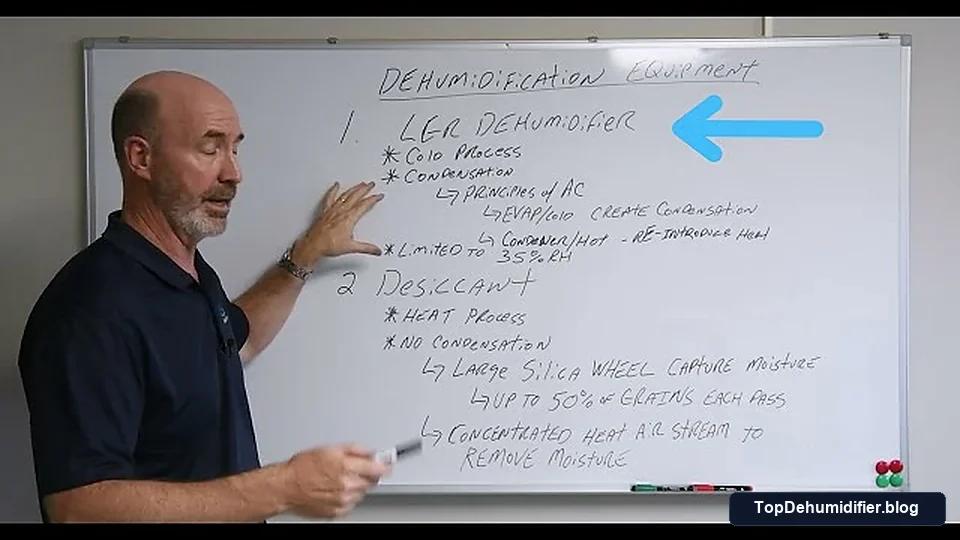
Large open-concept spaces require high-capacity commercial-grade compressors to manage heavy vapor loads. Calculate your room volume carefully before purchasing any mechanical extraction equipment.
Ambient temperature heavily influences the operational efficiency of refrigerant-based dehumidifiers. Cold basements cause evaporator coils to freeze, shutting down the extraction cycle prematurely.
Choosing a unit with low-temperature operation features solves this common freezing issue. These advanced models incorporate automatic defrost cycles to maintain performance in chillier environments.
- Match pint capacity to total square footage dimensions.
- Account for high-moisture zones like laundry rooms.
- Select low-temp units for unheated basement areas.
- Calculate latent heat loads before final installation.
Evaluating Extraction Rates
Daily pint ratings indicate how much water a machine extracts under standard test conditions. Real-world performance often varies depending on actual temperature.
Always review manufacturer specifications to ensure adequate airflow volume. High CFM ratings help distribute dry air rapidly across entire floor plans.
- Check manufacturer CFM ratings prior to setup.
- Monitor actual daily water collection volumes.
Continuous Drainage Solutions For Unattended Basements
Emptying manual collection buckets daily becomes tedious in high-moisture spaces. Installing a continuous gravity drain eliminates this chore and prevents accidental overflow incidents.
Gravity drainage requires positioning your dehumidifier high enough above a floor drain. Use our pint capacity calculator before ensuring the vinyl discharge hose slopes downward continuously.
If gravity drainage is impossible, integrate an external condensate pump system. These motorized pumps lift water vertically through flexible tubing to reach distant utility sinks.
Inspect drainage lines monthly to prevent algal clogs and biological slime buildup. A blocked hose causes internal reservoirs to overflow, ruining surrounding flooring materials.
- Ensure continuous downward slope for gravity drainage lines.
- Test built-in condensate pumps before extended absences.
- Secure all hose connections with heavy-duty metal clamps.
- Flush discharge tubing with vinegar solution periodically.
Condensate Pump Maintenance
Motorized pumps require occasional cleaning to maintain reliable water expulsion rates. Remove the reservoir cover and scrub away any accumulated debris carefully.
Listen for unusual grinding noises during pump activation cycles. Early detection of mechanical wear prevents sudden motor failure during peak humidity seasons.
- Disconnect power before servicing internal pump assemblies.
- Check float switch movement for smooth operation.
Air Circulation Patterns And Dead Zone Mitigation Strategies
Even powerful dehumidifiers fail if indoor air remains completely stagnant. Stagnant pockets allow moisture to accumulate against cool surfaces, triggering localized mold blooms.
Position your dehumidifier where return air flows unobstructed by furniture. Leaving adequate clearance around intake grilles maximizes total volumetric air processing efficiency.
Introduce oscillating auxiliary fans to push trapped air out of dark corners. Combining air movement with mechanical dehumidification ensures uniform humidity levels throughout the home.
Keep interior doors open during peak humidity hours to promote cross-ventilation. This simple practice prevents isolated rooms from trapping heavy moisture vapor.
- Maintain minimum twelve-inch clearance around intake vents.
- Use auxiliary fans to eliminate dead air zones.
- Keep interior doors open for optimal air mixing.
- Direct exhaust airflow toward damp perimeter walls.
Optimizing Room Layouts
Arrange heavy furniture slightly away from exterior walls to allow breathing room. Proper ventilation stops condensation from forming behind large wardrobes and couches.
Position extraction equipment centrally to balance airflow distribution across all connected hallways. Balanced airflow eliminates localized humidity spikes effectively.
- Pull furniture back from cold outside walls.
- Place units in central high-traffic pathways.
Seasonal Humidity Fluctuations And Dynamic Setpoint Adjustments
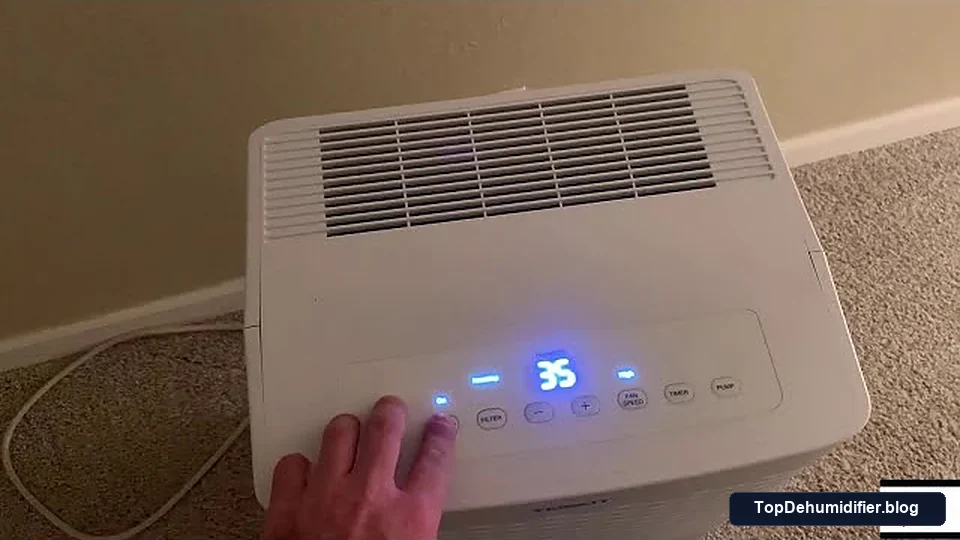
Environmental moisture levels change dramatically between summer heat and winter freezes. Adjusting your dehumidifier setpoints seasonally keeps energy usage low and protection high.
Summer weather brings high dew points that demand aggressive moisture extraction settings. Lower your target relative humidity to around forty-five percent during muggy months.
Winter heating dries out indoor air naturally, requiring higher target settings. Raise your humidistat target to avoid over-drying and static electricity buildup indoors.
Transition periods like spring and autumn require regular monitoring of weather shifts. Manual adjustments during these months prevent sudden mold growth during rainy spells.
- Lower setpoints during humid summer peak months.
- Raise target levels when winter heating operates.
- Monitor local weather forecasts for impending rain.
- Adjust targets based on seasonal occupancy changes.
Tracking Seasonal Dew Points
Dew point metrics offer better accuracy than relative humidity alone. Understanding outside dew points helps you decide when to ventilate naturally.
Keep windows shut tightly when outdoor dew points exceed indoor levels. This stops humid exterior air from overwhelming your dehumidifier system.
- Check daily outdoor dew point measurements.
- Close windows during high-humidity weather patterns.
Preventative Maintenance Protocols For Optimal Extraction Efficiency
Routine maintenance ensures your dehumidifier runs at peak efficiency for years. Neglected machines suffer from restricted airflow, reduced extraction rates, and potential fire hazards.
Clean or vacuum your reusable mesh air filter every two weeks. Dust accumulation on the filter blocks airflow and strains the internal compressor motor.
Inspect evaporator coils annually for frost or stubborn mineral deposits. Wash dirty coils gently with a specialized coil cleaner to restore thermal transfer efficiency.
Store your equipment in a clean dry space during extended periods of disuse. Always empty and dry the collection bucket completely before seasonal storage.
- Wash mesh filters every fourteen days regularly.
- Inspect electrical cords for fraying or damage.
- Clean condensate buckets to prevent mold growth.
- Schedule professional servicing for aging compressor units.
Deep Cleaning Evaporator Coils
Dirty coils reduce your machine ability to condense airborne moisture effectively. Regular washing prevents efficiency drops and extends equipment lifespan.
Use non-corrosive foaming cleaners designed specifically for HVAC refrigeration coils. Rinse thoroughly with warm water before reassembling the protective housing.
- Unplug unit before applying coil cleaning sprays.
- Allow components to dry fully before restarting.
Frequently Asked Questions
What exact humidity setting prevents mold best?
Target a relative humidity level between 35% and 50% to successfully stop mold spore germination. Maintaining this tight range prevents fungal colonies from establishing on vulnerable building materials.
Can a dehumidifier run continuously without damage?
Modern units with automatic humidistats and continuous drainage can run safely without constant supervision. They cycle off automatically once your target indoor humidity level is safely achieved.
Why does my dehumidifier ice up in winter?
Refrigerant units freeze when ambient temperatures drop below normal operating thresholds. Switch to a low-temp model with automatic defrost cycles if you manage unheated spaces.
How often should I clean the air filter?
Wash your reusable mesh air filter every two weeks to maintain proper airflow. Clean filters ensure maximum moisture extraction and protect the internal compressor from overheating.
Where is the best place to put a dehumidifier?
Position your dehumidifier centrally in high-risk zones like damp basements or crawl spaces. Keep intake grilles clear of walls to maximize overall volumetric air circulation efficiency.