Ideal Humidity in Winter: Target Ranges
Maintaining proper moisture levels during cold months prevents structural damage and health issues. Precise calibration ensures your living space remains comfortable and safe throughout the freezing season.


Keep your indoor relative humidity between thirty and forty percent during winter. This specific range stops condensation on cold glass while preventing excessive dryness in your respiratory system.
Ready to compare models? Start with our Best Dehumidifier: Top Picks for Basements & Homes.
Practical Quick-Reference Table
| Scenario / Metric | Recommended Target | Why It Matters |
|---|---|---|
| Living Areas | 30% - 40% RH | Prevents window condensation and mold growth. |
| Very Cold Weather (Below 0°F) | 20% - 30% RH | Protects framing and insulation from moisture rot. |
| Basement Storage | 35% - 45% RH | Stops dampness without over-drying concrete structures. |
| Workshop / Garage | 30% - 50% RH | Prevents rust and oxidation on metal tools. |
| Indoor Temperature | 68°F - 72°F | Maintains thermal comfort alongside proper moisture. |
| Dew Point Threshold | Below 35°F | Avoids surface condensation on exterior walls. |
Understanding Winter Moisture Dynamics
Cold exterior air holds very little moisture naturally. When this air enters your home and warms up, its relative humidity drops significantly, creating unique seasonal climate challenges.

Without careful monitoring, indoor activities can elevate localized humidity levels. Deciding between a dehumidifier vs humidifier for winter depends on your regional climate and whether moisture migrates toward cold exterior walls.
Reviewing a standard hardware diagram helps visualize how warm indoor air meets cold structural surfaces. Proper ventilation and extraction units mitigate these pressure differentials effectively.
Maintaining balanced humidity requires understanding the dew point relative to outside temperatures. Surface condensation serves as an immediate visual warning sign of excessive indoor moisture.
Cold winter air possesses a very low moisture capacity compared to warm summer air. When sub-freezing exterior temperatures chill your window glass, indoor water vapor rapidly condenses into liquid droplets.
Relative humidity drops sharply indoors when heating systems activate without humidification. Maintaining proper moisture requires understanding how thermal bridging transfers cold outdoor air through uninsulated wall cavities and framing studs.
Vapor diffusion constantly drives indoor moisture toward the freezing exterior envelope. Without a continuous polyethylene vapor barrier, warm interior air penetrates wall assemblies, causing structural wood rot and hidden mold colonies.
Stack effect dynamics force warm air upward through multi-story buildings, drawing dry air in at lower levels. This vertical pressure differential significantly alters local dew point calculations across different floors of your home.
- Cold air contains less absolute moisture mass.
- Warming exterior air drops internal relative humidity.
- Daily activities add significant vapor pressure.
- Thermal bridging concentrates moisture on cold framing.
The Physics of Thermal Bridging
Thermal bridges occur where framing bypasses insulation entirely. These cold spots draw indoor vapor, which condenses instantly when hitting freezing structural temperatures.
Insulating exterior corners properly prevents localized cooling. Using thermal imaging cameras reveals these vulnerability zones before mold colonies can establish themselves.
- Inspect framing junctions with infrared thermometers.
- Seal air leaks along rim joists.
Establishing Optimal Humidity Ranges
Setting correct targets depends entirely on outdoor ambient temperatures. When outdoor readings plunge below zero, indoor humidity must drop to prevent window frost and structural rot.
A balanced living environment generally requires a target range of thirty to forty percent relative humidity. Exceeding this threshold invites condensation on single-pane and double-pane glass alike.
Lower targets prevent moisture from diffusing through drywall and insulation layers. Modern hygrometers placed centrally provide accurate baseline readings for your entire HVAC zone.
Balancing comfort and structural integrity means avoiding extreme dryness. Finding the best dehumidifier for winter use ensures proper moisture management without letting relative humidity drop low enough to crack wood furniture.
ASHRAE standards recommend maintaining indoor relative humidity between thirty and forty percent during severe winter weather. Exceeding forty percent humidity risks severe condensation inside exterior wall assemblies during deep freezes.
Dropping below thirty percent causes mucosal membrane irritation and static electricity buildup. You should monitor conditions using a calibrated digital hygrometer placed away from direct HVAC supply register drafts.
Outdoor temperature dictates your maximum safe indoor humidity threshold. When exterior readings plunge below zero Fahrenheit, indoor targets must drop toward twenty percent to prevent structural frost accumulation.
Continuous monitoring prevents both biological growth and electrostatic discharge hazards. Adjust your humidifier setpoints weekly based on local weather service forecasts predicting incoming arctic cold front arrivals.
- Match indoor targets to local weather forecasts.
- Keep living spaces near thirty-five percent humidity.
- Monitor multiple zones with calibrated digital hygrometers.
- Avoid dropping below twenty percent relative humidity.
Video Walkthrough: Ask Andrew: Why indoor humidity matters during the cold season
Calibrating and Sizing Climate Equipment
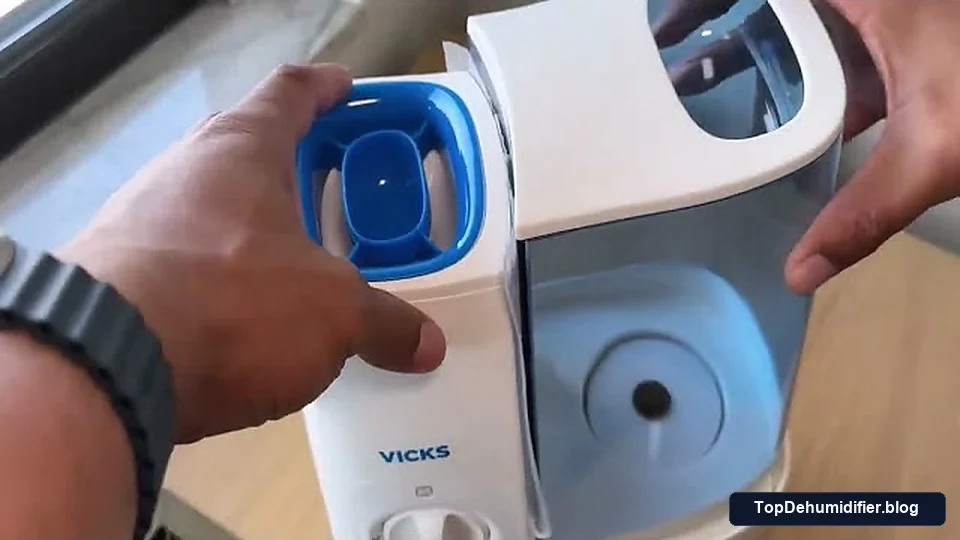
Accurate calibration ensures your climate control devices operate efficiently. Reviewing a detailed dehumidifier vs air conditioner for humidity control analysis helps you choose the right appliance for seasonal moisture loads.
Sizing extraction hardware correctly prevents short-cycling and excessive energy consumption. Calculate room volume carefully to match the pint capacity required for your specific climate zone.
Setting up a hands-on workshop setup requires dedicated drainage lines to avoid manual bucket emptying. Continuous gravity drainage maintains consistent moisture levels during extended cold snaps.
Positioning units in central open areas maximizes airflow circulation. Keep intake grilles away from walls to ensure unrestricted air intake across internal condenser coils.
Accurate hygrometer calibration requires the standard salt test method using saturated sodium chloride. Place your sensor inside a sealed container for twenty-four hours to verify exact measurement precision.
Sizing whole-house humidifiers depends heavily on your home’s total square footage and overall construction tightness. Loose historic buildings require higher evaporative output capacities measured in gallons per day.
Bypass humidifiers connect directly to your furnace plenum, utilizing heated airflow for moisture distribution. Ensure your installation includes a backdraft damper to prevent unwanted moisture loss during cooling seasons.
Powered fan models deliver higher output by forcing air through a water-soaked evaporator pad. Always verify electrical loads before wiring units directly into your furnace control board terminals.
- Perform salt calibration tests on all hygrometers.
- Match pint capacity to total square footage.
- Install gravity drain hoses for continuous operation.
- Maintain clear clearance around equipment intakes.
Mitigating Common Cold-Weather Mistakes
A frequent error involves running humidifiers and dehumidifiers simultaneously in the same zone. This conflicting operation wastes significant electricity and strains household electrical circuits.
Another mistake is ignoring basement moisture sources during winter freezes. Subterranean masonry constantly releases vapor that must be managed through targeted extraction strategies.
Failing to clean air filters reduces equipment efficiency and airflow rates. Inspect mesh filters bi-weekly to prevent dust accumulation on refrigeration coils.
Setting dehumidifiers too low in freezing spaces causes ice buildup. Frost accumulation on coils halts moisture removal and can damage internal compressor components permanently.
Over-humidifying homes during sub-zero snaps is a frequent error causing frosted window panes. Lower your target levels immediately when you observe condensation pooling on double-pane glass seals.
Neglecting annual humidifier pad replacements leads to severe mineral scaling and reduced output efficiency. Hard water deposits rapidly clog internal distribution troughs, necessitating routine chemical cleaning every autumn season.
Placing humidifiers directly on carpeted floors restricts bottom intake airflow and ruins flooring materials. Always elevate portable appliances onto a sturdy waterproof tray to protect subflooring from spills.
Failing to adjust controls as outdoor temperatures fluctuate creates localized mold risk zones. Modern automated systems utilize outdoor reset sensors to dynamically adjust indoor humidity without manual intervention.
- Never run opposing moisture appliances concurrently.
- Inspect subterranean foundation walls for seepage.
- Clean washable intake filters every fourteen days.
- Deactivate units if ambient temperatures drop below freezing.
Advanced Maintenance and Safety Protocols
Regular upkeep extends the operational lifespan of your humidity management equipment. Inspect power cords regularly for fraying or damage caused by seasonal relocation.
Cleaning condensate buckets with antimicrobial solutions prevents biological growth. Stagnant water reservoirs harbor mold spores that disperse into living areas during operation.
Adhering to strict electrical safety standards prevents circuit overloads. Plug heavy extraction units directly into grounded wall outlets rather than extension cords.
Winterizing unused equipment requires complete internal drying before storage. Storing units in dry environments prevents electrical corrosion and mechanical failure next season.
Stagnant water inside humidifier reservoirs breeds harmful bacteria and microscopic fungal spores. Disinfect stagnant basins weekly using a diluted bleach and water solution followed by thorough rinsing.
Inspect plumbing supply lines and saddle valves regularly for signs of slow mineral leaks. Installing a dedicated shut-off valve prevents catastrophic water damage to finished basement living spaces.
Electrical safety mandates checking power cords for frayed insulation before seasonal startup. Before purchasing hardware, consult our pint capacity calculator to determine the exact extraction rate required for your square footage.
End-of-season shutdown procedures require draining all reservoirs and drying evaporator components completely. Storing equipment dry prevents microbial contamination until the next heating season arrives later that year.
- Check electrical cords for visible damage.
- Sanitize collection reservoirs using mild vinegar solutions.
- Plug high-draw appliances into dedicated wall circuits.
- Dry internal components thoroughly before seasonal storage.
Video Walkthrough: What is the ideal humidity level for your home in the winter?
Frequently Asked Questions
What is the absolute best humidity level for a home during deep winter?
Maintaining a precise relative humidity level between thirty and thirty-five percent is ideal when outdoor temperatures remain well below freezing conditions.
This careful balance prevents damaging window condensation from forming on cold glass surfaces while keeping indoor air comfortable and free of excessive dryness that causes expensive structural woodwork to crack.
Why does window condensation happen more frequently during cold months?
Window condensation occurs because exterior glass surfaces drop significantly below the dew point temperature of warm indoor air during harsh winter weather.
When elevated indoor humidity contacts these freezing exterior barriers, airborne water vapor instantly turns back into liquid droplets that puddle destructively on wooden window sills and quickly encourage hazardous mold.
Can a dehumidifier freeze up and stop working in a cold winter basement?
Yes, standard compressor-based dehumidifiers will freeze up and stop working when ambient basement temperatures drop below sixty-five degrees Fahrenheit.
The internal refrigeration coils accumulate thick frost instead of extracting liquid moisture when operating in unheated cold spaces, which can permanently damage sensitive compressor components if the heavy equipment is left running completely unchecked.
How can I accurately test my hygrometer to ensure reliable winter readings?
You can accurately test your digital hygrometer using the standard salt test method inside a sealed plastic storage bag for reliable winter data.
Mix half a cup of pure table salt with a few drops of clean water, place both devices inside the bag for six hours, and verify the final reading hits seventy-five percent precisely.
Should I use a humidifier and dehumidifier at the same time in winter?
Running both opposing moisture devices simultaneously creates a wasteful technical battle that rapidly spikes your monthly electricity bill and damages internal compressor equipment.
Instead, measure specific room humidity levels accurately and use only the single appliance required to properly correct that specific climate zone without causing unnecessary mechanical conflict.