Recommended Home Humidity in Winter: Levels
Maintaining proper moisture levels during cold months prevents structural damage. Correct balancing protects both human health and building integrity.


Keep indoor relative humidity between thirty and forty percent during winter months. This range prevents condensation while avoiding excessively dry indoor air.
Ready to compare models? Start with our Best Dehumidifier: Top Picks for Basements & Homes.
Practical Quick-Reference Table
| Scenario / Metric | Recommended Target | Why It Matters |
|---|---|---|
| Outdoor Temperature Below Ten Fahrenheit | Twenty to Thirty Percent | Prevents severe window condensation and frost buildup. |
| Outdoor Temperature Ten to Twenty Fahrenheit | Twenty-Five to Thirty-Five Percent | Balances thermal comfort with structural protection. |
| Outdoor Temperature Above Twenty Fahrenheit | Thirty to Forty Percent | Maintains respiratory comfort without risking mold. |
| Basement Storage Areas | Thirty-Five to Forty-Five Percent | Stops surface dampness while preventing wood splits. |
| Living Spaces with Double-Pane Glass | Thirty-Five Percent | Maximizes comfort without degrading frame seals. |
| Sleeping Quarters | Thirty to Thirty-Five Percent | Reduces dust mite survival rates effectively. |
Understanding Winter Indoor Humidity Dynamics

Cold outdoor air holds very little moisture naturally. When this air enters a heated building, its relative humidity drops significantly, creating an arid indoor environment.
Conversely, internal activities like cooking and showering release water vapor. Without proper control, this moisture collides with cold exterior walls and forms harmful liquid condensation.
Understanding this thermal transfer helps homeowners balance moisture levels. Striking the right balance prevents static electricity while stopping hidden water accumulation inside wall cavities.
Building materials react dynamically to seasonal vapor pressure differentials. Controlling these shifts safeguards structural framing against premature decay and persistent mold growth.
Cold outdoor air holds little natural moisture. When this frigid air warms inside structures, its relative humidity drops sharply. Managing these seasonal swings often requires integrating a best whole home dehumidifier alongside proper ventilation.
Thermal bridging through exterior wall assemblies creates localized cold spots. Interior moisture migrates toward these cold surfaces, driving down surface temperatures below the local dew point and triggering unwanted condensation events.
Standard residential structures experience stack effect pressures during winter months. Warm indoor air rises and escapes through upper ceiling penetrations, drawing dry, cold ambient air inward through lower-level cracks and door gaps.
Maintaining stable indoor moisture requires understanding vapor pressure differentials. Higher indoor vapor pressure constantly forces moisture outward through porous building materials, demanding continuous management of indoor humidity levels.
- Cold air entering structures carries minimal absolute moisture.
- Indoor heating drastically lowers measured relative humidity percentages.
- Human activities continuously add water vapor to indoor air.
- Thermal bridges facilitate localized condensation on cold surfaces.
The Physics of Vapor Pressure
Vapor pressure drives moisture through porous building materials constantly. Higher indoor temperatures push water molecules outward toward freezing exterior boundaries.
When warm air meets cold vapor barriers, condensation occurs rapidly. Managing indoor humidity limits this destructive outward pressure gradient.
- Vapor pressure moves moisture from warm to cold zones.
- Porous materials absorb migrating water vapor over time.
Clinical Significance of Proper Winter Moisture Levels
Indoor humidity directly influences human respiratory health during cold months. Reviewing dehumidifier vs humidifier for winter options helps homeowners maintain optimal moisture balances to protect mucous membranes from drying out.
Conversely, high winter humidity encourages dust mite proliferation and mold spore release. Both allergens trigger severe asthma symptoms and chronic allergic reactions year-round.
Medical professionals recommend maintaining stable indoor moisture ranges. This stability supports optimal immune function and reduces skin cracking caused by extreme dryness.
Monitoring indoor air quality safeguards vulnerable populations, including infants and elderly residents. Proper humidity control remains a foundational element of healthy residential environments.
Extremely dry winter air desiccates human mucous membranes. Maintaining indoor relative humidity between thirty and forty percent prevents nasal passages from cracking and reduces vulnerability to airborne viral pathogens.
Respiratory health relies heavily on properly hydrated airway surfaces. When indoor air drops beneath twenty percent humidity, cilia function declines rapidly, impairing your body's natural defense against dust and microbial allergens.
Low moisture environments exacerbate chronic skin conditions like eczema. Insufficient air moisture accelerates transepidermal water loss, leaving skin barriers compromised and vulnerable to painful cracking and secondary infections.
Airborne influenza survival rates drop significantly in moderate humidity ranges. Keeping indoor spaces properly humidified helps neutralize viral droplets faster, protecting occupants during peak cold and flu seasonal outbreaks.
- Dry winter air compromises upper respiratory tract defenses.
- Pathogens survive longer in exceptionally low humidity conditions.
- Excess moisture fosters dust mites and mold colonies.
- Stable humidity supports skin barrier function and hydration.
Airway Hydration and Pathogen Survival
Mucous membranes require adequate ambient moisture to trap pathogens effectively. Dry air dries out these protective tissues, lowering natural immunity.
Influenza viruses remain suspended longer in dry indoor air environments. Maintaining target humidity levels helps deactivate these infectious airborne particles.
- Moist air helps mucosal cilia clear debris efficiently.
- Virus transmission rates drop at moderate humidity levels.
Video Walkthrough: Ask Andrew: Why indoor humidity matters during the cold season
Structural Impacts and Condensation Mechanics
Windows serve as primary indicators of excessive indoor humidity. When interior glass drops below the dew point temperature, water droplets form instantly.
Ignored condensation eventually rots wooden window sills and damages drywall. Over time, trapped moisture fosters black mold growth behind baseboards and framing.
Building envelopes must manage vapor migration through strategic insulation placement. Preventing thermal bridges stops moisture from accumulating within exterior wall assemblies.
Regular inspections of vulnerable corners help identify early dampness signs. Addressing minor moisture issues prevents costly structural repairs during subsequent seasons.
Unchecked winter moisture accumulation directly threatens structural framing timbers. When relative humidity exceeds recommended winter thresholds, hidden condensation saturates wood studs, eventually promoting wood-destroying fungi and mold growth.
Single-pane windows and poorly sealed frames act as primary condensation zones. As warm interior air contacts chilled glass, water vapor condenses instantly, pooling on sills and rotting wooden window sashes.
Vapor barriers installed incorrectly inside exterior walls trap moisture permanently. This construction defect leads to insulation degradation and structural freeze-thaw damage when trapped water expands inside brick veneer cavities.
Attic spaces demand careful ventilation to prevent destructive winter frost buildup. Warm air leaking from living spaces into cold attics deposits frost that melts during sunny days, soaking ceiling insulation.
- Windows display early warning signs of high indoor humidity.
- Continuous condensation degrades wood and drywall materials.
- Thermal bridging creates localized cold spots on interior walls.
- Hidden moisture encourages destructive fungal growth inside cavities.
Evaluating Dew Point Boundaries
The dew point represents the temperature where air becomes saturated. Interior surfaces colder than this threshold will experience immediate moisture condensation.
Calculating local dew points helps homeowners adjust humidification equipment. Keeping surface temperatures above the dew point protects building integrity.
- Saturation occurs when air reaches its dew point.
- Surface temperature dictates local condensation potential.
Measuring Relative Humidity and Dew Points
Accurate measurement requires properly placed digital hygrometers throughout living spaces. Avoid locating sensors near exterior doors or direct heat register outputs.
Calibrating hygrometers periodically ensures reliable readings over extended operational periods. A simple salt test can verify sensor accuracy against known baseline standards.
Tracking daily humidity fluctuations reveals patterns linked to household activities. Showers, cooking, and laundry routines temporarily spike localized moisture levels significantly.
Recording these metrics empowers homeowners to optimize ventilation strategies. Consistent monitoring removes guesswork from winter indoor climate management practices.
Accurate moisture management starts with reliable digital hygrometers. Place your capacitive sensors away from direct drafts, exterior walls, and heating vents to secure genuinely representative household humidity readings.
Calculating the exact dew point helps predict condensation risks accurately. When your interior wall surface temperature drops below the calculated dew point, water vapor transitions immediately into liquid moisture.
Calibrating analog and digital hygrometers using standard salt tests ensures measurement precision. A saturated salt slurry in a sealed bag should reliably read seventy-five percent humidity at room temperature.
Smart thermostats integrate remote hygrometer nodes to monitor humidity across multiple zones. This granular tracking prevents localized over-humidification in colder north-facing rooms while maintaining balanced moisture throughout the property.
- Place hygrometers away from direct drafts and heat sources.
- Verify sensor accuracy using standardized calibration testing methods.
- Monitor daily peaks caused by routine household water usage.
- Consistent tracking informs effective seasonal ventilation adjustments.
Hygrometer Placement Best Practices
Central living areas provide the most representative humidity measurements. Avoid placing monitors in dead air corners or enclosed cabinetry.
Keep sensors at standard eye level for optimal environmental sampling. Accurate data collection depends entirely on proper equipment positioning.
- Central locations yield accurate whole-house humidity data.
- Avoid enclosed spaces that trap stagnant microclimates.
Heating Systems and Their Drying Effects
Furnaces and heat pumps circulate warm air that lacks moisture. As this heated air expands, its relative humidity plummets below comfortable levels.
Gas furnaces and electric resistance heaters both contribute to winter dryness. Understanding this heating dynamic explains why supplemental humidification is often necessary.
Overly dry air forces occupants to increase thermostat settings unnecessarily. Proper humidity makes ambient air feel warmer at lower, more efficient temperatures.
Balancing heating output with moisture management reduces overall energy consumption. Efficient systems maintain comfort without over-drying the indoor living space.
Forced-air gas furnaces circulate very dry air continuously throughout residential spaces. Specialized areas like workout spaces often require moisture control using the best dehumidifier for home gym setups to prevent structural dampness.
Electric resistance baseboard heaters and space heaters create intense local heat zones. These localized heat sources rapidly drop immediate relative humidity levels, causing severe indoor moisture deficits near occupied seating areas.
Radiant floor heating systems warm objects rather than air directly. This gentle method minimizes severe relative humidity drops compared to forced-air systems, helping preserve a more comfortable indoor climate.
Traditional wood-burning fireplaces exhaust massive volumes of indoor air. This active drafting pulls dry outdoor air into the house to replace exhausted air, drastically reducing overall interior humidity.
- Furnaces circulate dry air that reduces indoor humidity.
- Expanded warm air holds a higher moisture capacity overall.
- Proper humidity allows lower thermostat settings for comfort.
- Balanced systems optimize energy usage during cold months.
Furnace Impact on Relative Humidity
Forced-air distribution systems accelerate moisture evaporation from surfaces. This rapid drying effect causes static shocks and skin irritation.
Integrating whole-house humidifiers directly into ductwork counteracts furnace dryness. Consistent moisture addition protects furniture and human respiratory health.
- Forced air increases indoor evaporation rates significantly.
- Duct-mounted humidifiers restore balanced moisture levels.
Balancing Ventilation and Air Exchange Rates
Modern airtight homes trap indoor moisture generated by occupants. Controlled mechanical ventilation is essential to expel excess water vapor safely.
Energy recovery ventilators exchange stale indoor air for fresh outdoor air. This process removes humidity while conserving valuable thermal energy efficiently.
Failing to ventilate tightly sealed buildings leads to trapped humidity. High indoor vapor pressure forces moisture deep into exterior wall insulation layers.
Optimizing air exchange rates keeps indoor air fresh and dry. Proper ventilation prevents the buildup of volatile organic compounds and excess moisture.
Modern energy-efficient homes require mechanical ventilation to maintain air quality. Running energy recovery ventilators exchanges stale indoor air for fresh outdoor air without losing excessive thermal energy.
Insufficient air exchange rates trap indoor pollutants and excess household moisture. Conversely, excessive ventilation during sub-zero days plummets indoor relative humidity, creating an uncomfortable and overly dry living environment.
Exhaust fans in bathrooms and kitchens must run during high-moisture activities. Timed switches ensure these fans operate long enough to evacuate steam before it spreads and triggers condensation issues.
Building codes specify minimum cubic feet per minute ventilation standards for residences. Complying with these standards prevents toxic pollutant buildup while allowing homeowners to regulate indoor moisture effectively.
- Airtight construction traps indoor humidity without proper ventilation.
- Energy recovery ventilators remove moisture while retaining heat.
- Unventilated homes risk deep wall insulation moisture damage.
- Controlled air exchange improves overall indoor air quality.
The Role of Exhaust Fans
Bathroom and kitchen exhaust fans remove localized moisture instantly. Running these fans during and after activities prevents humidity spikes.
Ensure exhaust ducts vent directly outdoors rather than into attics. Proper termination stops moisture accumulation in hidden structural spaces.
- Exhaust fans capture moisture at primary generation points.
- Duct termination must always extend outside the building.
Equipment Selection and Capacity Sizing
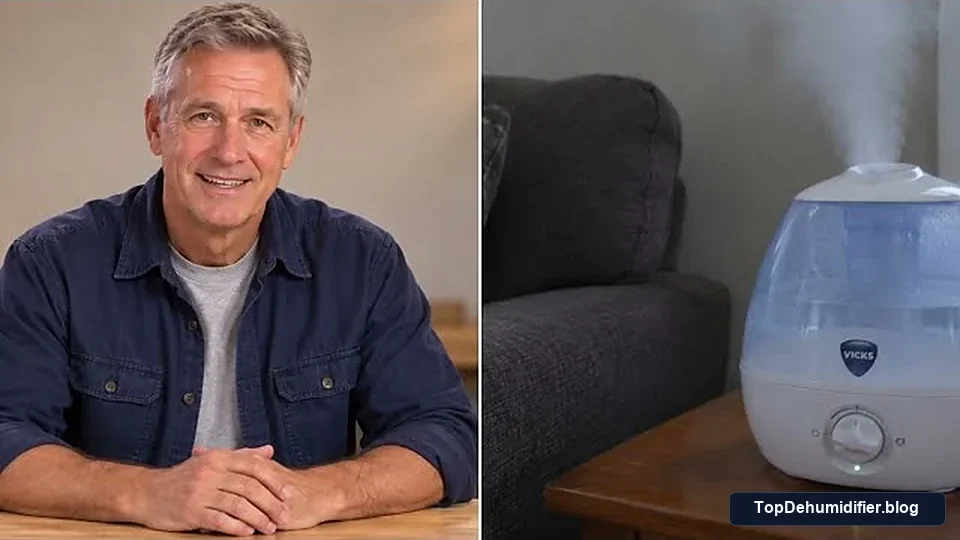
Selecting appropriate climate control equipment requires careful volumetric calculations. Using our pint capacity calculator prevents purchasing undersized units that run continuously without achieving target humidity thresholds.
Oversized dehumidifiers cycle too quickly, failing to extract adequate moisture. Proper sizing ensures optimal energy efficiency and consistent humidity control.
Assess total square footage and local climate severity before purchasing. Consulting technical specifications guarantees the selected hardware matches structural demands.
Proper installation placement maximizes airflow and moisture extraction rates. Strategic positioning prevents stagnant air pockets in damp residential zones.
Selecting the right whole-house humidifier requires calculating total conditioned square footage. Undersized units run constantly without raising humidity, while oversized units cause rapid, destructive condensation spikes on cold windows.
Evaporative bypass humidifiers tie directly into your main furnace ductwork. They utilize warm furnace air passing through a water panel evaporator pad to naturally introduce moisture into the airstream.
Powered fan-type humidifiers feature internal blowers to force moisture efficiently through duct systems. These units work exceptionally well in larger homes lacking sufficient static pressure for bypass setups.
Steam humidifiers boil water electrically to inject pure steam into home ducts. Although they consume more electricity, they offer the highest output capacity and operate independently of heating system runtime.
- Calculate total square footage to determine required capacity.
- Avoid oversized units that cycle on and off rapidly.
- Review manufacturer technical specifications before equipment selection.
- Position units to ensure unobstructed airflow and circulation.
Understanding Extraction Ratings
Extraction capacity is measured in pints removed per day. Manufacturers test these ratings under specific standard temperature and humidity conditions.
Real-world winter performance often differs from laboratory rating standards. Adjust capacity expectations based on local cold-weather conditions.
- Pints per day defines standard moisture extraction capacity.
- Real-world performance varies with ambient air temperatures.
Daily Monitoring and Preventative Maintenance
Routine maintenance ensures climate control equipment operates at peak efficiency. Clean filters regularly to maintain proper airflow and prevent mechanical strain.
Inspect condensate drain lines frequently to prevent accidental water leaks. Establishing a consistent maintenance schedule protects your investment and home.
Check digital hygrometer readings against outdoor weather forecasts daily. Adjust indoor target humidity levels as outdoor temperatures fluctuate throughout winter.
Proactive management prevents minor issues from escalating into major repairs. Diligent oversight guarantees a comfortable, safe, and dry indoor environment.
Routine maintenance ensures your humidification equipment operates safely and efficiently. Inspect and replace evaporative water panels annually to prevent mineral scale buildup and dangerous microbial growth inside the housing.
Check water supply lines and saddle valves regularly for signs of leakage. Even minor drips can cause catastrophic water damage behind walls or beneath your HVAC equipment during winter.
Adjust your target indoor relative humidity downward when outdoor temperatures plunge. Lowering indoor targets prevents destructive window condensation during severe arctic cold snaps without sacrificing overall comfort.
Clean drain lines and overflow pans monthly to prevent clogs and backups. Maintaining unobstructed drainage keeps your entire system running reliably throughout the peak heating season months.
- Clean or replace air filters on a routine schedule.
- Inspect drain lines and collection buckets for blockages.
- Adjust target humidity based on changing outdoor temperatures.
- Proactive oversight prevents costly structural water damage.
Troubleshooting Humidity Spikes
Sudden humidity increases indicate unmanaged indoor moisture sources. Check for plumbing leaks, unvented appliances, or exterior water intrusion.
Isolate the affected zone using a portable hygrometer device. Promptly addressing the source restores stable indoor humidity parameters.
- Trace sudden humidity spikes to specific household sources.
- Inspect plumbing connections and appliance venting systems.
Frequently Asked Questions
What is the ideal home humidity level in winter?
Maintain indoor relative humidity between thirty and forty percent. This specific range prevents window condensation while avoiding dry air.
Why does indoor humidity drop when the heating runs?
Heated air expands and increases its moisture-holding capacity. This physical expansion causes the relative humidity percentage to drop significantly.
How can I tell if my house has too much winter humidity?
Look for heavy condensation and frost forming on window glass. Persistent damp smells also indicate excessive moisture accumulation indoors.
Does low winter humidity affect human health negatively?
Arid air dries out respiratory mucous membranes and skin. This dryness lowers natural immunity against airborne viral pathogens.
Should I use a humidifier or dehumidifier in winter?
Most heated homes require humidifiers to combat dry air. However, tightly sealed houses may need dehumidifiers to control localized window condensation.