Humidity in Home During Winter: Ideal Range
Winter indoor humidity requires careful monitoring to prevent condensation and structural damage. Maintaining proper levels protects your health and home integrity.


Keep your indoor winter relative humidity between 30% and 40% to prevent window condensation. Exceeding this range risks hidden mold growth in cold exterior walls.
Ready to compare models? Start with our Best Dehumidifier: Top Picks for Basements & Homes.
Practical Quick-Reference Table
| Scenario / Metric | Recommended Target | Why It Matters |
|---|---|---|
| Living Area Humidity | 30% - 40% | Prevents window condensation and mold |
| Basement Humidity | 30% - 50% | Stops musty odors and dampness |
| Operating Temperature | Above 50°F | Ensures compressor efficiency |
| Air Intake Clearance | 12 Inches | Maintains optimal airflow velocity |
| Hygrometer Calibration | Annual Check | Guarantees accurate sensor readings |
| Drainage Inspection | Weekly Check | Avoids catastrophic water overflow |
Understanding Winter Indoor Humidity Dynamics

Cold outdoor temperatures dramatically alter how moisture behaves inside residential properties. When warm indoor air contacts freezing exterior glass, moisture condenses rapidly into liquid water.
Traditional heating systems dry out living spaces aggressively during freezing months. However, daily human activities like cooking and showering continuously release significant latent water vapor.
Unchecked moisture migrates toward the coldest structural boundaries within your framing. Installing our best whole home dehumidifier option effectively prevents wood rot and persistent mold colonies.
Monitoring absolute dew points provides better diagnostic insight than relative readings alone. Utilize a calibrated hygrometer placed centrally to track daily atmospheric fluctuations accurately.
Cold winter air holds significantly less moisture than warm summer air, creating dry indoor conditions when heated. Maintaining a relative humidity between 30% and 40% prevents structural damage and respiratory irritation.
When outdoor temperatures drop below freezing, indoor relative humidity naturally plummets. Without active humidification or moisture management, indoor air often falls below 20% relative humidity, causing shrinking woodwork and static electricity buildup.
Condensation forms on cold window panes when interior water vapor hits its dew point. This physics principle dictates that maintaining lower indoor humidity during deep freezes prevents window condensation and subsequent black mold growth.
Thermal bridging through uninsulated wall studs creates localized cold spots where moisture accumulates silently. Understanding these temperature differentials helps homeowners balance heating efficiency with proper moisture control to protect building materials.
- Cold glass surfaces trigger immediate condensation droplet formation.
- Human respiration and daily cooking add significant indoor moisture.
- Vapor naturally migrates toward exterior cold framing members.
- Central hygrometer placement ensures accurate daily atmospheric tracking.
Sub-zero Condensation Mechanisms
Thermal bridging occurs when highly conductive framing members bypass standard insulation layers. These cold spots attract concentrated moisture accumulation during severe winter weather events.
Maintaining interior surface temperatures above the local dew point prevents droplet formation. Strategic air circulation helps equalize wall cavity temperatures effectively.
- Thermal bridging creates localized cold spots on walls.
- Proper air circulation equalizes internal surface temperatures.
Sizing Your Equipment for Cold Weather Operation
Selecting proper extraction capacity demands careful calculation of your total square footage. Undersized units run continuously without adequately lowering moisture loads in freezing structures.
Low ambient temperatures degrade standard compressor efficiency across conventional refrigeration extraction units. Desiccant alternatives perform better in spaces where temperatures drop below fifty degrees.
Calculate daily pint removal requirements based on ceiling height and current occupancy levels. Tightly sealed modern homes trap more indoor moisture than older drafty buildings.
Assess integrated humidistat accuracy before deploying any portable extraction hardware indoors. Digital sensors require occasional calibration against known reference standards for precise control.
Selecting the correct capacity unit for winter requires calculating total conditioned square footage. For high-humidity zones, consult our best dehumidifier for home gym guide to maintain your target humidity levels.
Cold climate homes with tight building envelopes retain moisture much longer than older drafty structures. You should factor in a lower moisture load when sizing equipment for modern homes equipped with vapor barriers.
Desiccant dehumidifiers operate more efficiently than traditional compressor models in unheated winter spaces like crawlspaces. These units utilize a silica gel rotor to extract moisture effectively at temperatures below 50 degrees Fahrenheit.
Always check manufacturer specifications for low-temperature operating limits before purchasing climate control equipment. Units lacking automatic defrost features will experience evaporator coil freezing when operated in unconditioned winter environments.
- Match extraction capacity directly to total conditioned square footage.
- Use desiccant units when ambient temperatures drop significantly.
- Account for building tightness when calculating daily pint removal.
- Calibrate digital sensors regularly against known reference standards.
Video Walkthrough: Keeping Your Home From Drying Out This Winter
Step-by-Step Calibration and Placement Protocol
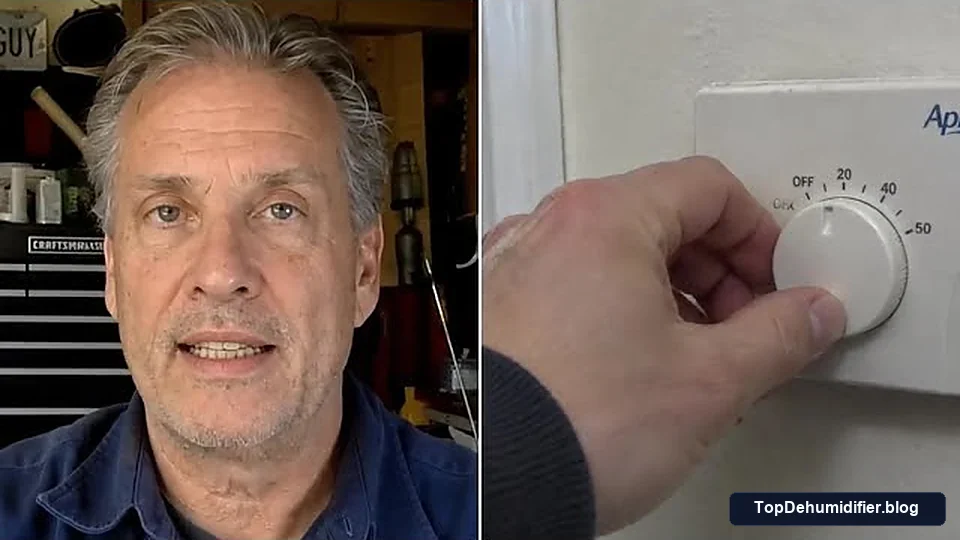
Proper equipment positioning dictates overall moisture removal efficiency in complex floor plans. Use our pint capacity calculator tool to determine the exact extraction rate required for your space.
Maintain a minimum clearance of twelve inches around all air intake grilles. Obstructed airflow reduces compressor lifespan and diminishes daily water extraction performance dramatically.
Set your onboard humidistat to target a stable thirty-five percent baseline. Avoid pushing targets below thirty percent to prevent static electricity and dry respiratory irritation.
Test continuous drainage lines before leaving units running unattended for extended periods. Kinked vinyl tubing causes severe overflow damage to finished flooring materials.
Accurate hygrometer placement ensures reliable indoor moisture readings during heating season. Mount your monitoring device on an interior wall away from direct heat sources and exterior doors for precision.
Calibrate analog or digital hygrometers using the standard salt test method before relying on their data. Submerge a damp salt slurry in a sealed bag alongside your sensor for twenty-four hours to verify accuracy.
Position humidification or dehumidification equipment centrally to promote optimal air circulation throughout the living space. Avoid placing units directly against furniture or inside tight corners that restrict airflow pathways.
Adjust your equipment settings incrementally as outdoor temperatures fluctuate through the winter months. Lower the target humidity when outdoor temperatures drop to prevent frost accumulation on window frames and glass.
- Position extraction hardware centrally for balanced room airflow.
- Keep twelve inches of clear space around intake grilles.
- Target a stable baseline of thirty-five percent relative humidity.
- Inspect continuous drainage lines thoroughly to prevent water leaks.
Managing Common Cold-Climate Troubleshooting Issues
Frost accumulation on evaporator coils represents a primary failure mode during winter. Low ambient air temperatures cause condensed water to freeze solid across cooling fins.
Modern equipment features automatic defrost cycles to melt accumulated ice safely. Verify that your unit's ambient operating threshold matches your specific installation space.
Strange vibration noises typically indicate loose compressor mounting hardware or uneven flooring surfaces. Insert rubber vibration isolation pads underneath heavy units to dampen mechanical sound.
Sudden drops in daily water collection usually signal a failing humidistat sensor. Clean dust buildup from sensing ports using compressed air to restore accurate readings.
Frozen condensate lines are a frequent winter headache for homeowners running continuous moisture control equipment. Insulate drain hoses passing through unheated areas and install a heat tape wrap to maintain consistent drainage flow.
Musty odors during winter usually indicate trapped moisture within wall cavities. Before running extraction gear, review our dehumidifier vs humidifier for winter comparison to choose the right seasonal appliance.
High static pressure in forced-air heating systems can impede proper moisture distribution throughout multi-level homes. Clean your air filters monthly and check ductwork connections to ensure balanced airflow during peak winter operation.
If your digital humidistat fluctuates wildly, electromagnetic interference from nearby appliances might be the culprit. Relocate the sensor or install a shielded cable to eliminate erratic readings and maintain stable controls.
- Evaporator frost requires compatible ambient operating thresholds.
- Verify automatic defrost functions operate correctly during freezes.
- Use rubber isolation pads to eliminate rattling compressor noises.
- Clean dust from sensing ports to restore water collection.
Essential Maintenance and Safety Best Practices
Regular filter cleaning prevents dust restriction and maintains optimal airflow velocity. Wash mesh filters monthly using mild dish soap and warm water before complete drying.
Inspect electrical cords thoroughly for fraying or cracking before seasonal deployment. Never plug high-draw extraction appliances into damaged extension cords or overloaded multi-outlet strips.
Empty manual collection buckets regularly to prevent stagnation and biological growth inside reservoirs. Sanitize plastic collection tanks seasonally with a diluted bleach solution.
Store portable units in temperature-controlled environments during extended periods of non-use. Freezing storage areas can crack internal water collection lines and rupture fragile components.
Regular cleaning prevents mineral scale buildup from clogging atomizing disks in ultrasonic humidifiers. Disinfect water reservoirs weekly using a diluted bleach solution to inhibit dangerous bacterial and mold proliferation indoors.
Inspect power cords and plugs for fraying or thermal damage before operating heavy-duty winter climate appliances. Always plug high-draw units directly into a grounded wall outlet rather than using extension cords.
Replace evaporative humidifier wicks at least once per heating season to maintain optimal moisture output. Old, mineral-encrusted wicks restrict airflow and force the blower motor to work harder, increasing energy consumption significantly.
Test safety shut-off switches periodically to ensure overflow protection mechanisms function correctly. A failed float switch can cause severe water damage, making routine functional checks a critical part of winter equipment stewardship.
- Wash mesh filters monthly with mild soap and warm water.
- Inspect power cords for fraying prior to seasonal operation.
- Sanitize water collection reservoirs regularly with diluted bleach.
- Store units in heated spaces to prevent internal freezing.
Video Walkthrough: What to Set Your Humidity To This Winter (50% Is Not for Every House)
Building Envelope Interactions and Ventilation
Mechanical ventilation systems must balance indoor air quality with thermal conservation. Exhaust fans in kitchens and bathrooms expel high-volume moisture directly to the outdoors.
Heat recovery ventilators exchange stale indoor air for fresh outdoor air efficiently. This continuous exchange prevents excessive winter humidity accumulation without wasting expensive heating energy.
Seal major air leaks around attic hatches and rim joists to stop exfiltration. Uncontrolled warm air leakage carries heavy moisture straight into cold structural cavities.
Monitor basement or crawlspace vapor barriers for tears or missing sections. Unsealed earth floors release continuous moisture upward into the main living envelope.
Modern energy-efficient homes trap indoor pollutants and excess moisture generated by everyday human activities. Integrating a heat recovery ventilator exchanges stale indoor air while retaining thermal energy during harsh winter conditions.
Exhaust fans in bathrooms and kitchens play a vital role in controlling localized winter humidity spikes. Run these fans for twenty minutes after showering or cooking to expel excess water vapor outside.
Attic ventilation prevents warm interior air from migrating upward and melting roof snow into ice dams. Ensure your soffit and ridge vents remain clear of insulation to maintain balanced roof temperatures all winter.
Vapor retarders installed on the warm side of exterior walls prevent indoor moisture from entering framing cavities. Inspect these barriers during renovations to avoid hidden condensation and subsequent structural lumber rot.
- Exhaust fans expel localized moisture directly to the outdoors.
- Heat recovery units exchange air without wasting thermal energy.
- Seal attic hatches to prevent warm air exfiltration loops.
- Maintain continuous vapor barriers across unsealed earth floors.
Frequently Asked Questions
Why does winter indoor humidity matter for my home?
Maintaining proper indoor relative humidity during freezing winter months prevents dangerous window condensation, structural wood rot, and hidden mold proliferation within cold wall cavities.
You should always target a stable operating range between 30% and 40% relative humidity to successfully balance occupant respiratory health with comprehensive building envelope protection.
What is the ideal humidity level for cold weather?
Keeping your living spaces between 30% and 40% relative humidity stops moisture from condensing on freezing glass surfaces without causing dry air irritation. Exceeding this recommended threshold significantly increases the risk of hidden mold growth inside exterior wall cavities.
Why do extraction units freeze up during winter operation?
Low ambient temperatures cause condensed water to freeze solid across refrigeration evaporator coils, drastically reducing overall machine efficiency and daily pint removal. Modern units resolve this issue automatically using integrated defrost cycles designed to melt ice safely.
How can I prevent mold in cold exterior walls?
Ensuring adequate air circulation behind furniture and maintaining your indoor humidity below 40% prevents warm air from reaching cold surfaces. Sealing major air leaks in your building envelope also stops moist indoor air from exfiltrating into cold structural framing.
Should I use a hygrometer to track winter humidity?
Using a calibrated hygrometer placed centrally in your living space provides accurate diagnostic insight into daily atmospheric moisture fluctuations. Tracking these precise measurements helps you maintain a safe operating balance throughout the entire winter heating season.