Inside Humidity During Winter: Normal Range
Maintaining proper moisture levels during freezing weather prevents severe structural degradation and protects indoor air quality.

Keep indoor relative humidity between 30% and 40% during winter to prevent window condensation while avoiding excessive dry air.
Ready to compare models? Start with our Best Dehumidifier: Top Picks for Basements & Homes.
Practical Quick-Reference Table
| Scenario / Metric | Recommended Target | Why It Matters |
|---|---|---|
| Outside Temp Below 20F | 30% Max Indoor RH | Prevents severe frost on window glass |
| Outside Temp 20F to 30F | 35% Max Indoor RH | Balances thermal comfort with moisture control |
| Basement Concrete Walls | Below 50% RH | Stops mold colonization in cool masonry zones |
| Hygrometer Placement | Interior Living Space | Ensures accurate readings away from thermal drafts |
| Refrigerative Unit Limit | Above 65F Ambient | Compressors lose efficiency in unheated winter spaces |
| Desiccant Rotor Limit | Below 55F Ambient | Chemical adsorption excels in cold garage environments |
Understanding Winter Indoor Relative Humidity Dynamics
Cold outdoor air holds very little moisture compared to warm summer air. When this frigid exterior air infiltrates your living space and warms up, its relative humidity plummets dramatically, creating unique indoor challenges.
Conversely, airtight modern construction traps household moisture generated by cooking, showering, and breathing. Without proper management, this trapped vapor elevates indoor relative humidity well beyond safe structural thresholds during freezing months.
Differential vapor pressure forces warm indoor moisture outward through wall assemblies. When this moisture hits cold exterior sheathing, it condenses into liquid water, leading to hidden rot and structural insulation degradation over time.
Balancing winter humidity requires acknowledging that exterior temperatures dictate your maximum safe interior moisture ceiling. Ignoring these thermodynamic limits guarantees frost accumulation inside exterior wall cavities and single-pane window frames.
- Cold air entering buildings carries minimal absolute moisture mass.
- Heating outdoor air drops its relative humidity significantly.
- Household activities continuously add invisible water vapor indoors.
- Vapor pressure drives indoor moisture toward cold exterior boundaries.
The Physics of Vapor Pressure Deficits
Vapor pressure deficit measures the difference between the pressure exerted by water vapor and the saturation vapor pressure. Understanding this metric helps technicians predict exactly where condensation will form inside walls.
Controlling this pressure gradient stops moisture from migrating into vulnerable fiberglass insulation. Maintaining balanced interior conditions protects the long-term integrity of your home building envelope materials.
- Vapor pressure drives moisture from high to low concentrations.
- Thermal insulation layers alter the internal dew point plane.
Calculating Thermal Comfort and Dew Point Thresholds
The dew point temperature represents the exact point where air becomes fully saturated and liquid condensation forms. Monitoring this metric prevents hidden moisture accumulation on cold structural framing members.
Interior glass surfaces act as thermal indicators during deep winter freezes. If condensation beads up on your windows, your indoor relative humidity is definitively too high for current outdoor temperatures.
Occupant comfort relies on maintaining stable relative humidity alongside appropriate ambient air temperatures. Dry winter air causes skin irritation, while overly humid air promotes dust mite proliferation and mold growth.
Calculating safe thresholds involves charting outdoor temperatures against indoor surface temperatures. This engineering approach ensures you maintain healthy indoor air without causing unintended damage to structural components.
- Dew point calculations pinpoint exact condensation risk temperatures.
- Window glass acts as an early warning system for humidity.
- Dry air causes physical discomfort while damp air fosters mold.
- Surface temperature mapping prevents hidden interstitial wall condensation.
Using Psychrometric Charts for Winter Targets
Psychrometric charts map the complex relationships between temperature, humidity, and enthalpy. Reviewing our best dehumidifier for winter use roundup helps technicians determine exact target levels for specific climate zones.
Applying psychrometric data eliminates guesswork when configuring whole-house humidification or dehumidification equipment. This scientific method guarantees optimal performance across fluctuating weather conditions.
- Psychrometric charts plot thermodynamic air properties accurately.
- Climate zones dictate specific winter moisture target lines.
Video Walkthrough: Ask Andrew: Why indoor humidity matters during the cold season
Mechanical Dehumidification Strategies for Cold Seasons
Standard refrigerated dehumidifiers struggle significantly in unheated winter spaces like garages or crawlspaces. Cold evaporator coils freeze over rapidly, halting moisture extraction entirely unless equipped with an active defrost cycle.
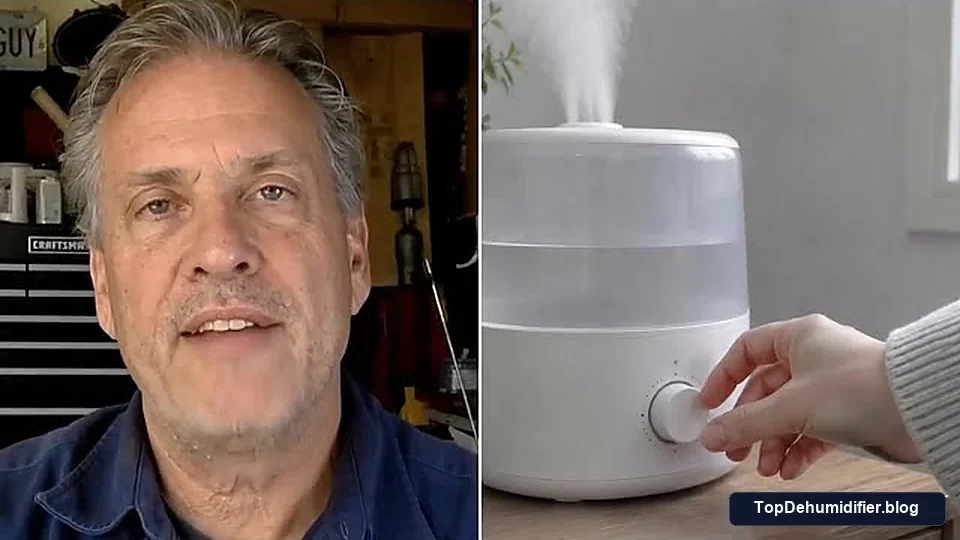
Desiccant dehumidifiers utilize silica gel rotors to absorb moisture directly from the air without relying on cold refrigeration coils. This makes them the superior choice for controlling humidity in cold environments.
Integrating mechanical dehumidifiers with existing HVAC ductwork provides whole-home humidity control. Evaluating details in our dehumidifier vs air conditioner comparison ensures dry air distributes evenly across all living zones.
Selecting the correct equipment capacity prevents short-cycling and excessive energy consumption. Always verify your unit's low-temperature operational limits before deploying it in unconditioned winter zones.
- Refrigerated coils freeze solid in unheated winter environments.
- Desiccant rotors extract moisture effectively in freezing spaces.
- Duct integration ensures balanced whole-house humidity distribution.
- Operational temperature limits dictate proper equipment selection.
Managing Low-Temperature Frost Cycles
When evaporator coils drop below freezing, frost accumulation blocks airflow and reduces efficiency. Modern units utilize cycle timers or temperature sensors to initiate automatic hot-gas defrost operations.
Proper defrost functioning protects the compressor from liquid slugging and mechanical failure. Regular inspection of defrost sensors ensures continuous winter moisture removal without catastrophic equipment damage.
- Frost buildup on coils halts all moisture extraction.
- Hot-gas defrost cycles melt ice accumulations safely.
Ventilation Interventions and Heat Recovery Systems

Controlled mechanical ventilation offers an energy-efficient method for expelling excess indoor winter humidity. Exhaust fans in high-moisture zones remove vapor directly at the source before it spreads throughout the structure.
Heat recovery ventilators exchange stale indoor air for fresh outdoor air while transferring thermal energy. This continuous loop expels humid air without dumping valuable heat outside during freezing weather.
Energy recovery ventilators transfer both sensible heat and latent moisture between incoming and outgoing airstreams. Selecting the right system depends entirely on your specific regional winter climate and tightness.
Running bathroom and kitchen exhaust fans for twenty minutes post-activity removes significant moisture loads. Make sure your ventilation ducts are fully insulated to prevent internal condensation and freezing.
- Spot ventilation removes localized moisture at generation points.
- Heat recovery ventilators save energy during air exchanges.
- Latent moisture transfer prevents excessive indoor dryness.
- Insulated exhaust ducts stop internal freezing and dripping.
Balancing House Pressure During Ventilation
Exhaust-only ventilation systems create negative indoor pressure, drawing unconditioned outdoor air through building cracks. This uncontrolled infiltration introduces cold drafts and affects overall thermal comfort significantly.
Balanced ventilation systems use dual fans to equalize indoor and outdoor pressures. This prevents back-drafting of combustion appliances and maintains structural envelope integrity during winter storms.
- Negative pressure draws unconditioned air through building gaps.
- Balanced fan systems maintain neutral indoor air pressure.
Diagnostic Tools and Moisture Monitoring Equipment
Accurate digital hygrometers are essential tools for tracking indoor relative humidity fluctuations. Using our pint capacity calculator helps determine appropriate sizing before placing sensors in main living areas.
Thermal imaging cameras reveal hidden cold spots where condensation and mold are likely to develop. Scanning exterior corners during freezing weather highlights insulation voids and structural thermal bridges instantly.
Pin-type and pinless moisture meters test building materials for hidden water damage. Checking drywall and wooden framing studs confirms whether elevated humidity has caused structural saturation.
Calibrating your hygrometers annually using a salt test ensures reliable measurement accuracy. Reliable data prevents unnecessary equipment operation and protects your home from extreme humidity swings.
- Digital hygrometers track real-time indoor relative humidity.
- Thermal cameras expose hidden cold spots and insulation gaps.
- Moisture meters evaluate structural framing saturation levels.
- Annual salt calibrations maintain hygrometer measurement accuracy.
Conducting a Salt Calibration Test
Mix plain table salt with distilled water inside a small sealed container until it forms a slushy paste. Place your digital hygrometer inside the container alongside the salt mixture safely.
Seal the container completely and let it sit undisturbed for twenty-four hours at room temperature. A properly calibrated hygrometer should read exactly seventy-five percent relative humidity.
- Salt slurry creates a stable seventy-five percent humidity reference.
- Sealed containers isolate the sensor from ambient air variations.
Preventing Condensation on Structural Thermal Bridges
Thermal bridges occur where continuous insulation is interrupted by framing materials, allowing heat to escape rapidly. These cold spots frequently attract heavy condensation and black mold growth during winter.
Adding exterior continuous insulation blankets the building frame, raising interior surface temperatures above the local dew point. This simple construction upgrade eliminates severe thermal bridging vulnerabilities permanently.
Insulating rim joists and foundation walls in basements stops moisture from condensing against cold concrete. Use closed-cell spray foam for its superior vapor-retardant properties and high thermal resistance value.
Replacing single-pane windows with double or triple-glazed units prevents localized glass condensation. Modern insulated frames keep interior glass surfaces warm enough to resist winter moisture accumulation entirely.
- Thermal bridges allow rapid heat loss and localized condensation.
- Exterior continuous insulation raises interior surface temperatures.
- Closed-cell spray foam insulates rim joists effectively.
- Insulated window glazing prevents severe glass condensation.
Mitigating Basement and Crawlspace Bridges
Below-grade foundation walls remain cold year-round due to surrounding earth temperatures. Without proper thermal breaks, warm indoor air condenses instantly upon contacting these chilly masonry surfaces.
Install rigid foam insulation boards against foundation walls before finishing basement living spaces. This stops humid interior air from reaching cold concrete boundaries and forming liquid water.
- Earth temperatures keep below-grade foundation walls extremely cold.
- Rigid foam boards block indoor air from contacting concrete.
Comprehensive Maintenance Protocols for Winter Operations

Routine maintenance ensures your mechanical humidity control equipment operates efficiently throughout the heating season. Inspect air filters monthly and replace them immediately when dust restrictions impede airflow.
Clean condensate collection pans and drainage lines regularly to prevent biological growth and winter overflows. Frozen drain lines can crack plastic housings and cause severe water damage nearby.
Check digital humidistat calibration against a certified reference hygrometer regularly. Understanding our dehumidifier vs humidifier for winter comparison helps determine whether moisture removal or addition is necessary.
Store portable units properly at the end of the heating season in a clean, dry environment. Clean all internal coils and surfaces thoroughly to prevent mold colonization during storage periods.
- Inspect and replace restrictive air filters on a monthly basis.
- Clear condensate lines to prevent freezing and water overflows.
- Compare internal humidistats against certified reference sensors.
- Clean and dry equipment thoroughly before seasonal storage.
Winterizing Condensate Drainage Pumps
External condensate pumps located in unheated areas risk freezing during severe winter storms. Wrap exposed drain tubing with insulated heating tape to maintain continuous fluid flow.
Test pump check valves and float switches before freezing weather arrives to prevent motor burnout. A failed pump during winter can flood utility rooms and damage adjacent equipment.
- Unheated drain pumps risk freezing during severe winter weather.
- Insulated heating tape keeps exterior condensate lines clear.
Frequently Asked Questions
Why does indoor humidity drop drastically during freezing winter weather?
Cold outdoor air holds very little absolute moisture compared to warm air. When this dry air enters your home and warms up, its relative humidity plummets to very low levels.
What is the ideal indoor relative humidity target for cold winter months?
Keep indoor relative humidity between 30% and 40% during winter. This range prevents window condensation while avoiding excessively dry air that irritates respiratory tracts.
Can standard refrigerated dehumidifiers operate effectively in unheated winter garages?
Standard refrigerated units struggle because their evaporator coils freeze solid in cold spaces. Use a desiccant dehumidifier instead for reliable moisture removal in freezing environments.
How can I tell if my indoor winter humidity level is too high?
Look for heavy condensation or frost forming on the interior glass of your windows. This visible moisture indicates your indoor humidity exceeds safe structural thresholds.
What causes black mold growth on exterior corners during winter?
Thermal bridges create cold spots on walls where warm indoor moisture condenses. This trapped liquid water provides the ideal environment for mold colonization behind furniture.