Recommended Humidity Level in Home Summer: Guide
Maintaining proper indoor moisture balances prevents structural damage and health risks during peak summer heat waves. Precise environmental control ensures optimal occupant comfort and energy efficiency.


The ideal indoor humidity level during summer ranges strictly between 30% and 50% relative humidity to prevent microbial growth while maintaining thermal comfort.
Ready to compare models? Start with our Best Dehumidifier: Top Picks for Basements & Homes.
Practical Quick-Reference Table
| Scenario / Metric | Recommended Target | Why It Matters |
|---|---|---|
| General Living Spaces | 45% to 50% RH | Balances human thermal comfort with mold prevention. |
| Basements and Cellars | 35% to 45% RH | Mitigates subterranean moisture intrusion and musty odors. |
| Sleeping Quarters | 40% to 50% RH | Reduces dust mite proliferation and improves respiration. |
| Indoor Dew Point | 50°F to 55°F | Prevents condensation on cool drywall and framing. |
| Hygrometer Accuracy | Plus or minus 3% | Ensures reliable readings for automated dehumidification systems. |
| Maximum Safe Limit | 60% RH | Stops rapid fungal germination within forty-eight hours. |
Understanding Summer Indoor Humidity Standards
Summer weather brings high outdoor moisture loads that test building envelopes and mechanical systems. Maintaining strict environmental parameters inside your living spaces protects structural materials from moisture damage.
Building science experts recommend keeping indoor relative humidity below fifty percent during peak summer months, as explained in our dehumidifier vs humidifier for summer guide. Exceeding this invites wall condensation.
Achieving this balance requires coordinating air conditioning run cycles with targeted mechanical extraction. Without careful monitoring, latent heat loads quickly overwhelm standard cooling equipment in humid climates.
Homeowners must prioritize consistent moisture reduction rather than chasing arbitrary temperature drops. Proper humidity control enhances perceived cooling, allowing higher thermostat settings without sacrificing comfort.
- Keep indoor relative humidity strictly between 30% and 50% during summer.
- Monitor basement and crawlspace zones independently from upper living areas.
- Inspect exterior walls regularly for signs of localized condensation.
- Calibrate monitoring devices seasonally to ensure measurement reliability.
The Role of Absolute Versus Relative Moisture
Relative humidity fluctuates with temperature changes because warm air holds significantly more moisture. Understanding absolute moisture content helps technicians diagnose persistent indoor humidity anomalies effectively.
When warm outdoor air infiltrates air-conditioned structures, it cools rapidly and spikes relative humidity levels. Mechanical dehumidifiers remove this excess moisture directly from the air stream.
- Warm air carries higher moisture volumes than cold air masses.
- Cooling surfaces lower air capacity, raising localized relative humidity.
The Science of Dew Points and Thermal Comfort
The dew point temperature serves as a precise indicator of atmospheric moisture content inside homes. Tracking dew points helps occupants determine whether air feels muggy regardless of ambient temperatures.
An indoor dew point exceeding sixty degrees Fahrenheit typically triggers uncomfortable stickiness and clammy skin sensations. Keeping the dew point lower ensures crisp interior air quality all summer.
Human perspiration relies on effective evaporation to cool the body efficiently during warm days. High indoor humidity halts this natural cooling process, causing heat stress indoors.
Engineers design residential HVAC systems to manage sensible heat alongside latent moisture removal. Balancing these two variables prevents short-cycling while maintaining ideal dew point parameters.
- Target an indoor dew point between 50°F and 55°F for maximum comfort.
- High dew points inhibit natural human evaporative cooling mechanisms.
- Monitor outdoor dew points to gauge incoming infiltration loads.
- Combine ceiling fans with proper dehumidification to enhance air movement.
Calculating Thermal Heat Index Thresholds
Thermal comfort depends heavily on the combined interaction of temperature and moisture levels. High humidity amplifies perceived heat, forcing air conditioners to work much harder.
Managing latent loads reduces the indoor heat index significantly without lowering air temperatures. This approach saves substantial electrical energy throughout the peak summer cooling season.
- Combined heat and humidity create severe indoor stress environments.
- Targeted dehumidification lowers perceived temperatures by several degrees.
Video Walkthrough: What's the Best Humidity Level for Your Home?
Calibrating Hygrometers for Accurate Summer Readings
Accurate humidity management starts with reliable measurement tools placed throughout the residence. Inexpensive hygrometers often drift out of calibration when exposed to prolonged high humidity.
Performing a standard salt test verifies hygrometer accuracy before relying on displayed moisture metrics. Place your digital sensor inside a sealed bag with wet salt slurry.
A properly calibrated unit should read approximately seventy-five percent humidity after six hours in salt slurry. Adjust any variance immediately to ensure trustworthy daily readings.
Position sensors away from direct sunlight or supply vents, especially when protecting moisture-prone spaces highlighted in our best dehumidifier for home gym review. Strategic placement guarantees representative environmental samples.
- Use the salt slurry calibration method to verify digital sensor accuracy.
- Replace failing hygrometer batteries at the start of each summer season.
- Mount sensors at mid-wall height for optimal environmental sampling.
- Avoid placing monitors near kitchen appliances or bathroom exhaust zones.
Selecting Reliable Electronic Sensor Technology
Capacitive sensors provide reliable, long-term humidity tracking for residential diagnostic applications. These durable components resist minor chemical contamination and dust accumulation over time.
Avoid analog dial hygrometers that rely on organic hair coils because they degrade quickly. Digital models offer superior precision and easier integration into smart home systems.
- Choose capacitive digital sensors for superior long-term stability.
- Discard analog dial units that lack recalibration adjustment screws.
Balancing HVAC Run Times and Latent Heat Loads
Oversized central air conditioners cool homes too quickly without extracting sufficient latent moisture. This short-cycling leaves indoor spaces cold, clammy, and prone to mold growth.
Modern variable-speed compressors run longer cycles at lower capacities to continuously extract moisture. This technical enhancement maintains stable humidity levels throughout humid summer afternoons.
Homeowners should inspect ductwork for air leaks that introduce unconditioned outdoor humidity. Sealing leaks prevents moisture from bypassing the primary filtration and cooling coils.
Proper airflow across evaporator coils ensures efficient condensation and drainage during heavy cooling demands. Dirty filters restrict airflow, reducing the overall moisture removal capacity.
- Ensure central air systems are correctly sized to prevent short-cycling.
- Inspect and replace HVAC air filters every thirty days in summer.
- Seal all accessible ductwork joints using mastic or approved foil tape.
- Schedule professional preventative maintenance before peak summer temperatures arrive.
Managing Whole-House Dehumidifier Integration
Choosing units from our best whole home dehumidifier selections for existing ductwork optimizes moisture extraction. These mechanical systems operate independently of cooling calls to maintain strict structural humidity targets.
Dedicated units draw air through specialized coils, extracting gallons of water daily while filtering particulates. This mechanical addition relieves the primary air conditioner from heavy loads.
- Connect dedicated dehumidifiers to return air plenums for efficiency.
- Install gravity drain lines with proper traps to prevent clogs.
Preventing Mold Proliferation in High-Risk Zones
High summer humidity creates fertile ground for mold spores to germinate on organic materials. Basements, crawlspaces, and bathrooms represent high-risk zones requiring aggressive moisture control.

Mold colonies can establish and spread within forty-eight hours when relative humidity exceeds sixty percent. Swift intervention stops structural degradation and protects indoor air quality.
Maintain adequate air circulation in stagnant areas by utilizing oscillating fans and exhaust systems. Moving air prevents moisture pockets from forming against cool drywall surfaces.
Discard porous materials that sustain severe mold contamination during extended humid weather events. Professional remediation may prove necessary for large structural outbreaks.
- Keep vulnerable zones below fifty percent relative humidity continuously.
- Run continuous exhaust fans during and after high-moisture activities.
- Inspect foundation walls and basement corners for dampness regularly.
- Clean air conditioner condensate pans to prevent biological slime buildup.
Crawlspace Vapor Barrier Installation Standards
Unsealed earth crawlspaces release massive moisture volumes into home framing structures upward. Installing heavy-duty polyethylene vapor barriers stops this sub-grade moisture migration entirely.
Overlap all vapor barrier seams by at least twelve inches and seal them securely. Extend the material up foundation walls to provide comprehensive protective coverage.
- Use puncture-resistant polyethylene sheeting rated at six mils minimum.
- Seal all perimeter seams with specialized waterproof construction tape.
Video Walkthrough: Maintaining Optimal Home Humidity For Better Health
Sizing Portable Dehumidifiers for Summer Conditions
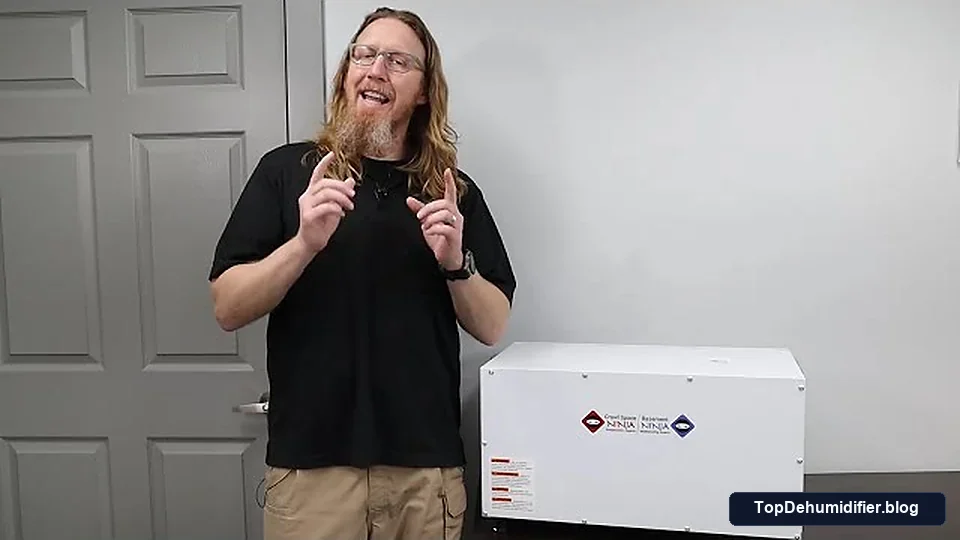
Portable dehumidifiers provide targeted relief for damp rooms. Selecting the correct size using our pint capacity calculator depends directly on room square footage and baseline humidity levels.
Manufacturers rate portable units by water removal capacity per twenty-four hour period under standard conditions. High summer heat requires stepping up to higher capacity units.
Position portable units centrally in problem rooms with adequate clearance around intake grills. Restricted airflow severely diminishes moisture extraction efficiency and strains compressors.
Connect continuous gravity drain hoses where possible to eliminate manual bucket emptying chores. Ensure hoses slope downward continuously to prevent accidental indoor flooding.
- Match pint capacity ratings to actual room square footage guidelines.
- Maintain at least twelve inches of clear space around intake vents.
- Use continuous drain hoses to eliminate daily manual bucket emptying.
- Clean internal collection buckets monthly with mild antimicrobial solutions.
Understanding Compressor Versus Thermoelectric Units
Compressor-based dehumidifiers utilize refrigeration cycles to pull large moisture volumes efficiently. These robust units suit damp basements and humid living areas exceptionally well.
Thermoelectric peltier models operate quietly but lack the capacity for whole-room summer humidity. Reserve small thermoelectric units exclusively for tiny closets or RV spaces.
- Choose compressor models for high-capacity basement moisture removal.
- Limit thermoelectric units to small enclosed spaces like closets.
Energy Efficiency Strategies During Peak Cooling Seasons
Running mechanical cooling and dehumidification equipment drives up summer electricity consumption significantly. Implementing smart operational strategies minimizes utility costs while maintaining strict comfort targets.
Set dehumidifiers to maintain the recommended forty-five percent target rather than maximum extraction. Continuous high-speed operation wastes energy without providing additional comfort benefits.
Clean condenser and evaporator coils annually to ensure optimal thermodynamic heat exchange rates. Dirty coils force compressors to draw higher amperage and run extended cycles.
Seal windows and doors tightly to prevent humid outdoor air infiltration from entering rooms. Weatherstripping degradation allows massive moisture loads to bypass mechanical defenses.
- Target steady moderate humidity settings to conserve electrical power.
- Clean equipment coils annually to maintain peak operating efficiency.
- Upgrade worn weatherstripping around exterior doors and windows.
- Utilize programmable timers to operate equipment during off-peak hours.
Optimizing Whole-House Ventilation and Exhaust
Exhaust fans in kitchens and bathrooms expel localized moisture before it diffuses indoors. Run these dedicated fans during high-humidity activities and for twenty minutes afterward.
Avoid opening windows on humid summer days to prevent overwhelming indoor moisture loads. Modern tightly sealed construction requires mechanical ventilation control for air quality.
- Run bathroom exhaust fans during showers and twenty minutes after.
- Keep exterior windows closed tightly during high-humidity summer days.
Frequently Asked Questions
What is the absolute best humidity level for a home during the summer?
The recommended target is 30% to 50% relative humidity to prevent mold while staying comfortable. Keeping levels inside this specific range protects your framing and health.
Why does my house feel sticky even when the thermostat says seventy-two degrees?
High indoor moisture levels elevate the dew point and prevent your skin from evaporating sweat. Lowering the latent humidity load restores natural cooling and physical comfort.
How can I test if my digital hygrometer gives accurate readings?
Perform the salt slurry test by sealing your sensor in a bag with wet salt. A properly calibrated meter should read 75% humidity after six hours.
Will running ceiling fans help lower my indoor humidity levels?
Ceiling fans do not remove moisture from the air, but they enhance evaporative cooling. Always pair fans with proper dehumidification equipment during humid summer weather.
Can central air conditioning alone control my home humidity in summer?
Central AC removes moisture during cooling cycles, but oversized units often short-cycle. Homes in humid climates frequently require dedicated whole-house dehumidifiers for balance.