Interior Humidity Winter: Safe Ranges & Balance
Cold weather indoor moisture creates hidden building envelope risks. Learn precise technical methods to control winter relative humidity effectively.


Maintain indoor winter relative humidity between thirty and forty percent to prevent structural condensation without drying out wooden framing components.
Ready to compare models? Start with our Best Dehumidifier: Top Picks for Basements & Homes.
Practical Quick-Reference Table
| Scenario / Metric | Recommended Target | Why It Matters |
|---|---|---|
| Outdoor Temp Below 20F | Max 35% RH | Prevents window pane frost formation. |
| Basement Foundation Walls | 45% to 50% RH | Stops mold growth on cold masonry. |
| Living Area Airflow | 100 to 150 CFM | Ensures even moisture distribution. |
| Hygrometer Placement | 5 Feet High | Measures true representative living space air. |
| Dehumidifier Coil Temp | Above Freezing | Prevents destructive evaporator ice blockages. |
| Whole House Ventilation | 0.35 ACH Min | Flushes stale, moisture-laden indoor air safely. |
Understanding Winter Moisture Dynamics Inside Modern Homes
Cold outdoor air holds very little absolute moisture by volume. When this frigid air enters a heated building, its relative humidity plummets dramatically if unchecked.
Conversely, tight modern construction traps everyday household moisture from cooking and showers. Reviewing our dehumidifier vs humidifier for winter comparison helps you determine proper indoor humidity control strategies.
Thermal bridging through exterior wall assemblies creates localized cold spots where moisture readily condenses. Recognizing these foundational thermodynamics is vital for winter humidity management.
Building occupants often misinterpret static electricity as a sign of healthy air. However, dropping below safe thresholds risks cracking wood trim and shrinking hardwood flooring.
- Seal major air leaks before running extraction hardware.
- Monitor dew points relative to exterior glass surface temperatures.
- Balance mechanical ventilation with internal moisture generation rates.
- Account for occupant density when calculating daily vapor loads.
The Vapor Pressure Differential
High indoor vapor pressure forces moisture outward through porous building materials. This migrating vapor can freeze inside wall cavities when it hits the dew point.
Installing continuous vapor retarders on the warm side of insulation stops this destructive migration. Always verify local building codes regarding specific perm rating requirements.
- Measure vapor pressure gradients across exterior wall assemblies.
- Inspect attic insulation baffles for proper moisture venting.
Diagnosing Cold Weather Condensation and Dew Point Physics
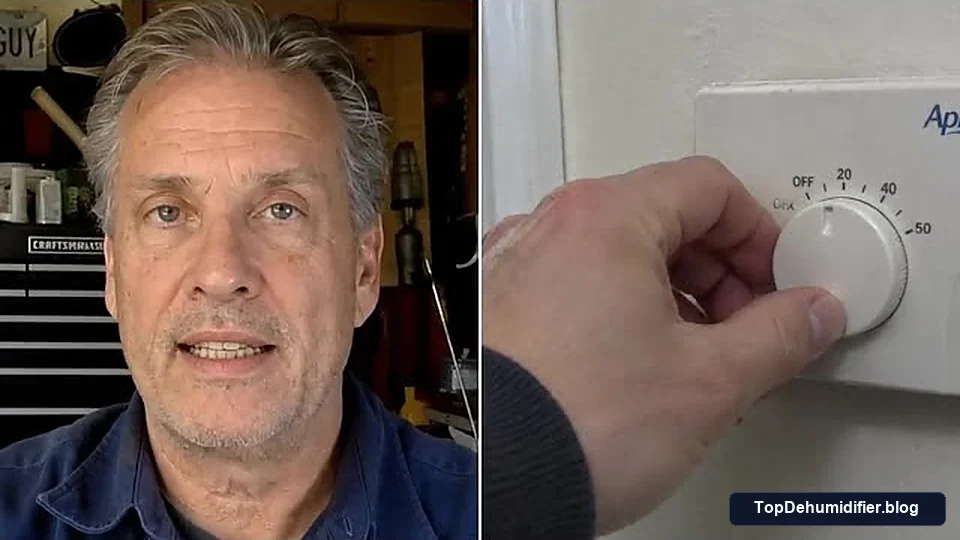
Condensation occurs whenever warm, humid air contacts a surface colder than the dew point. Single-pane windows and uninsulated aluminum frames are the most common early indicators.
Calculating the exact surface temperature helps predict when condensation will form. Infrared thermometers provide rapid surface readings across tricky thermal bridging zones.
Ignoring window condensation leads directly to black mold growth on surrounding drywall. Over time, persistent moisture rots wooden sills and degrades structural window framing.
Interior window quilts or insulating shades lower glass temperatures significantly. This trap prevents room air from warming the glass, which dramatically increases localized condensation risk.
- Target surface temperatures using calibrated infrared laser meters.
- Check window frame corners for hidden water accumulation zones.
- Keep interior window treatments open slightly during deep freezes.
- Use ceiling fans to push warm air down against cold glass.
Calculating Surface Dew Points
Use psychrometric charts to find the exact dew point temperature. Selecting the best dehumidifier for winter use prevents water droplets from forming instantly on cold glass.
Lowering indoor humidity shifts the dew point downward, keeping your windows dry.
- Cross-reference relative humidity with dry-bulb air temperatures.
- Adjust humidistats immediately upon noticing glass moisture.
Video Walkthrough: Ask Andrew: Why indoor humidity matters during the cold season
Sizing Mechanical Extraction for Cold Climate Properties
Selecting the correct extraction capacity depends heavily on total square footage and household moisture output. Undersized units run continuously without ever reaching your target relative humidity.

Basements and crawlspaces require distinct sizing calculations compared to main living areas. Cold masonry walls continuously wick moisture inward, demanding robust mechanical intervention.
Compressor-based units lose efficiency rapidly in cold basements. Low ambient temperatures cause frost to form on the evaporator coils, halting moisture extraction entirely.
Look for units equipped with automatic defrost functions for unheated spaces. These cycles temporarily reverse or halt cooling to melt accumulated frost safely.
- Calculate pints per day based on overall space volume.
- Verify low-temperature operating limits before purchasing hardware.
- Prioritize units with electronic humidistats for precise control.
- Factor in stack effect drafts pulling moisture upward.
Evaluating Pint Capacity Ratings
Standard extraction ratings are tested at warm conditions, meaning cold-weather capacities drop significantly. Using our pint capacity calculator helps accurately estimate real-world extraction performance.
Downgrade manufacturer pint ratings by half for cold basement installations.
- Read fine print for AHAM versus field operating conditions.
- Select high-capacity units for damp, unheated subterranean zones.
Proper Placement and Airflow Optimization in Sub-Zero Conditions
Strategic equipment placement ensures maximum air mixing and efficient moisture removal. Position your extraction unit centrally in the dampest living zone with unblocked intake grilles.
Maintain at least twelve inches of clearance around all intake and exhaust vents. Restricted airflow forces compressors to overheat and drastically reduces overall moisture extraction efficiency.
Avoid placing portable units directly against exterior concrete foundation walls. Cold masonry chills the immediate perimeter air, tricking the humidistat into premature shutoff cycles.
Utilize auxiliary oscillating fans to keep stagnant air moving through complex layouts. Reading our dehumidifier vs air conditioner comparison clarifies which appliance handles heavy moisture best.
- Clear all dust filters bi-weekly to maintain optimal airflow rates.
- Keep exhaust ports directed toward high-traffic open areas.
- Elevate floor units slightly if minor sub-floor dampness occurs.
- Avoid placing devices inside tight closets or enclosed cabinetry.
Optimizing Basement Air Circulation
Basements feature dead corners where heavy cold air naturally settles. Positioning a directional fan near the floor drives trapped moisture toward your extraction unit.
Keep interior doors fully open to encourage healthy cross-ventilation.
- Set auxiliary fans on low speed for continuous mixing.
- Direct airflow parallel to exterior foundation walls.
Continuous Drainage Solutions for Unheated Basement Spaces
Emptying collection buckets manually during freezing weather becomes tedious and messy. Gravity drain hoses offer a reliable, maintenance-free alternative for continuous daily operation.
Ensure gravity drain lines slope downward continuously toward a proper floor drain. Any upward loops or kinks will cause standing water to freeze and rupture tubing.
External condensate pumps are necessary if your floor drain sits higher than the unit. Choose pumps with built-in safety overflow switches to prevent catastrophic water damage.
Insulate drain lines that pass through particularly cold unheated crawlspaces. Frozen tubing halts drainage instantly, backing water up into the internal reservoir bucket.
- Secure all vinyl drain connections with heavy-duty metal hose clamps.
- Test automatic pump shutoff switches monthly before heavy winter use.
- Route discharge lines well away from exterior foundation walls.
- Inspect flexible tubing regularly for mineral buildup or algae.
Preventing Frozen Drainage Lines
Sub-freezing temperatures in crawlspaces easily freeze water inside thin drainage tubing. Wrap exposed lines in UL-listed thermal pipe insulation sleeves.
Route interior drainage paths through heated zones whenever feasible.
- Monitor outdoor termination points for ice blockages.
- Use heat tape on vulnerable subterranean discharge runs.
Video Walkthrough: Effects of Low Humidity
Preventing Over-Drying and Maintaining Structural Integrity
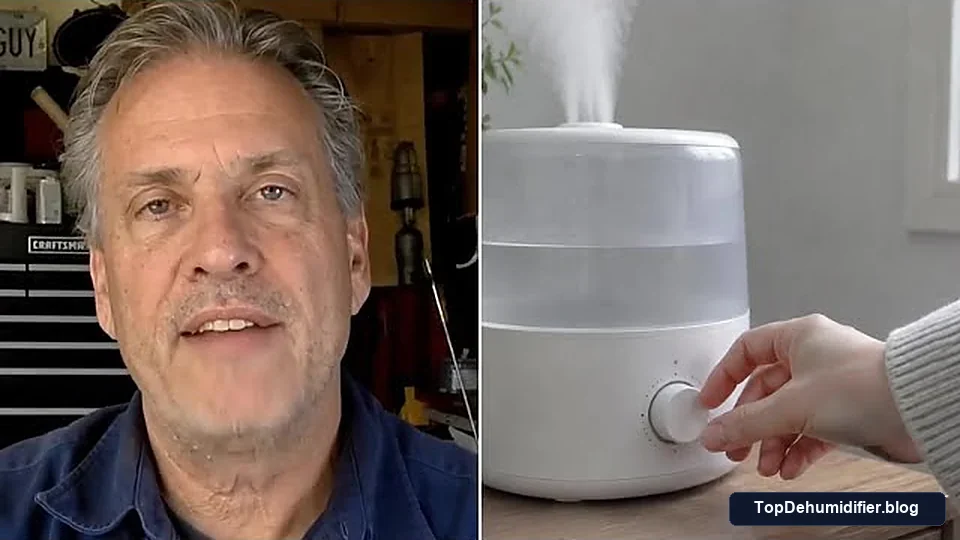
Lowering indoor humidity too far causes serious structural and health issues. Excessively dry air shrinks wooden framing, cracks drywall tape, and splits fine furniture.
Dry winter air also irritates mucous membranes, increasing susceptibility to seasonal respiratory infections. Aim strictly for a balanced thirty to fifty percent relative humidity range.
Calibrate your hygrometers annually using a reliable salt-test kit. Inaccurate sensors often lead homeowners to run extraction hardware far longer than necessary.
Consider whole-house humidification systems if your heating source strips moisture aggressively. Balancing mechanical extraction with controlled introduction keeps your indoor environment safe.
- Test hygrometer accuracy using the standard salt-test method.
- Watch for shrinking woodwork as an indicator of over-drying.
- Maintain balanced ventilation alongside active moisture extraction.
- Consult local climate maps for optimal regional humidity targets.
The Risks of Excessive Dryness
Relative humidity dropping below twenty percent damages wooden musical instruments. Hardwood floors develop unsightly gaps between planks as boards contract rapidly.
Static electricity shocks become frequent when indoor air lacks sufficient moisture.
- Monitor wood moisture content using a pin meter.
- Introduce evaporation pans near heating vents if air is too dry.
Routine Winter Maintenance, Defroster Cycles, and Safety Protocols
Cold weather operations demand rigorous maintenance schedules to prevent hardware failure. Clean mesh air filters every two weeks to maintain unobstructed airflow across cold coils.
Inspect the automatic defrost sensor regularly for proper calibration. A malfunctioning sensor allows thick ice to encase the evaporator, destroying the sealed compressor system.
Unplug all electrical equipment before performing any internal cleaning or maintenance. Never insert metal tools into active coils or electrical housing compartments.
Store portable units in climate-controlled spaces during extended seasonal shutdowns. Freezing storage garages can crack residual water remaining inside internal copper tubing.
- Vacuum dust from condenser coils using a soft brush attachment.
- Check power cords for fraying or cracking caused by cold air.
- Sanitize collection buckets monthly to prevent mold and bacteria.
- Verify proper clearance around all electrical outlets and plugs.
Managing Evaporator Coil Frost
Frost buildup drastically drops extraction efficiency in cold environments. Modern units use automatic defrost cycles, but older models require manual shutdowns to thaw.
Never force ice off coils with sharp metal instruments.
- Allow ice to melt completely before restarting equipment.
- Increase ambient room temperature slightly to aid defrosting.
Frequently Asked Questions
What is the ideal indoor humidity level during winter?
Keep indoor humidity between thirty and forty percent during cold weather. This prevents window condensation while protecting wooden structures from shrinking.
Why does my dehumidifier freeze up in the winter?
Low ambient temperatures cause moisture on the evaporator coils to turn into ice. Ensure your unit features an automatic defrost mode or relocate it to a warmer space.
How can I stop condensation on my double-pane windows?
Lower your indoor relative humidity using mechanical extraction or ventilation. Improving air circulation with ceiling fans also prevents stagnant moisture from settling on cold glass.
Should I run a dehumidifier in an unheated basement in winter?
Only run extraction hardware if the space remains above the manufacturer's minimum operating temperature. Sub-freezing spaces will freeze coils and damage equipment.
How do I prevent drainage tubes from freezing in cold crawlspaces?
Wrap exposed drainage tubing in UL-listed thermal insulation sleeves. Routing lines through heated interior spaces entirely eliminates winter freezing risks.