Normal Indoor Humidity in Winter: Safe Zones
Maintaining correct indoor humidity during winter prevents structural damage and health hazards. Proper management balances comfort and building envelope safety across cold regions.

Keep winter indoor relative humidity between 30% and 40% to prevent condensation on cold glass surfaces while avoiding excessive dryness that irritates respiratory pathways.
Ready to compare models? Start with our Best Dehumidifier: Top Picks for Basements & Homes.
Practical Quick-Reference Table
| Scenario / Metric | Recommended Target | Why It Matters |
|---|---|---|
| Outside Temp Below 20°F | 30% Maximum RH | Prevents window frost and heavy wall condensation. |
| Outside Temp 20°F to 30°F | 35% Maximum RH | Protects framing while maintaining comfortable breathing air. |
| Outside Temp 30°F to 40°F | 40% Maximum RH | Balances thermal comfort with safe building envelope moisture. |
| Sleeping Areas | 30% to 35% RH | Reduces dust mite populations and minimizes nighttime coughing. |
| Basement Foundations | Under 50% RH | Stops mold growth on cold masonry and concrete walls. |
| Hygrometer Calibration | Plus or Minus 2% | Ensures accurate readings before adjusting mechanical controls. |
Understanding Winter Psychrometrics and Relative Humidity
Cold winter air holds significantly less moisture than warm summer air, altering indoor psychrometric balances. When outside air enters homes, heating it drops relative humidity drastically, creating unique climate challenges.

Relative humidity measures water vapor capacity relative to current air temperature. Selecting the best dehumidifier for winter use helps maintain ideal indoor vapor pressure deficits, preventing excessive building material drying.
Standard residential environments require careful monitoring during freezing months to prevent extreme dryness. Maintaining appropriate moisture levels protects wooden furniture joints from splitting and shrinks structural framing gaps safely.
Physics dictates that warm air absorbs moisture rapidly until saturation occurs. Understanding these thermodynamic principles helps homeowners operate humidification and dehumidification equipment effectively throughout the heating season.
- Cold exterior air contains very low absolute moisture content.
- Heating outdoor air lowers internal relative humidity percentages rapidly.
- Ideal winter indoor targets sit comfortably between 30% and 40%.
- Monitor psychrometric shifts using calibrated digital hygrometer devices.
The Role of Dew Point Calculations
Dew point temperature reveals the exact point where air becomes saturated with moisture. Calculating this threshold prevents hidden condensation inside exterior wall cavities during severe cold snaps.
Building codes in the United States require vapor barriers to manage these temperature differentials. Keeping indoor dew points below exterior surface temperatures stops structural moisture accumulation.
- Calculate dew points using current temperature and humidity data.
- Exterior wall surfaces must remain warmer than the indoor dew point.
The Health and Structural Risks of Improper Cold-Weather Moisture
Unchecked indoor humidity during winter triggers severe health consequences. Reviewing our dehumidifier vs air conditioner for humidity control guide helps you select equipment that stops mold proliferation behind drywall.
Mold spores thrive in stagnant, humid microclimates found near exterior corners and poorly insulated closets. Eliminating these damp pockets requires targeted ventilation and careful moisture source control strategies.
Structural damage frequently manifests as peeling paint, rusted fasteners, and warped window sills. Condensation pooling on glass panes eventually migrates into wooden framing members, promoting silent rot.
Respiratory health depends on maintaining balanced indoor air quality parameters. Excessively low humidity dries mucous membranes, increasing susceptibility to airborne viruses during peak cold and flu seasons.
- Excess humidity causes hidden mold growth behind exterior insulation.
- Low humidity increases vulnerability to winter respiratory infections.
- Window condensation indicates excessively high indoor moisture levels.
- Protect structural framing by keeping surface temperatures above dew points.
Identifying Early Signs of Moisture Distress
Catching moisture problems early prevents costly structural remediation down the line. Inspect window frames regularly for pooling water, frost accumulation, or darkening paint finishes.
Musty odors in closets or basements signal hidden microbial growth requiring immediate intervention. Utilize digital moisture meters to check drywall and wooden baseboard saturation levels accurately.
- Inspect window sills every morning for heavy condensation droplets.
- Check basement corners for musty smells and damp masonry.
Video Walkthrough: Ask Andrew: Why indoor humidity matters during the cold season
How Heating Systems Influence Indoor Relative Humidity Levels
Different heating systems impact indoor humidity in distinct ways across residential spaces. Forced-air furnaces dry out indoor air rapidly, whereas radiant heating systems preserve ambient moisture much more effectively.
Combustion appliances like unvented gas heaters release massive quantities of water vapor indoors. Operating these units during winter creates hazardous humidity spikes and introduces dangerous combustion byproducts.
Heat pumps circulate warm air continuously, which can sometimes concentrate localized moisture if oversized. Proper equipment sizing ensures balanced temperature delivery without creating stagnant humid zones.
Ductwork leaks in unconditioned crawlspaces pull in damp air and distribute it throughout living areas. Sealing all supply and return ducts prevents unwanted humidity fluctuations during freezing weather.
- Forced-air furnaces reduce indoor relative humidity through continuous heating cycles.
- Unvented combustion heaters generate hazardous indoor moisture and pollutants.
- Radiant floor heating maintains stable moisture profiles without drying air.
- Inspect ductwork to prevent drawing damp air from unconditioned zones.
Combustion Appliance Safety and Ventilation
Unvented combustion equipment creates severe indoor air quality hazards during winter months. Exhaust gases introduce large volumes of water vapor directly into sealed residential living spaces.
Ensure all gas-burning heaters feature proper flue venting to the outside. This practice eliminates excess moisture and prevents dangerous carbon monoxide accumulation inside your home.
- Never operate unvented gas logs in sealed bedrooms.
- Verify flue draft functionality before every heating season.
Monitoring Techniques and Hygrometer Placement Standards
Accurate humidity monitoring requires proper placement of digital hygrometers throughout the home. Place sensors away from direct sunlight, exterior doors, and heating vents to obtain reliable baseline measurements.
Calibration ensures your monitoring equipment provides trustworthy data for moisture management decisions. Use the standard salt test method periodically to verify hygrometer accuracy within acceptable tolerances.
Centralized living areas require continuous tracking to catch sudden humidity fluctuations quickly. Install dedicated wall monitors in primary gathering spaces and vulnerable basement zones for comprehensive oversight.
Smart thermostat systems often integrate humidity sensors to automate ventilation and heating responses. Review these digital logs weekly to spot seasonal trends and adjust your environmental controls.
- Position hygrometers at breathing height in central living areas.
- Keep monitoring devices away from direct heat sources and drafts.
- Perform salt test calibrations to maintain precise sensor accuracy.
- Track daily humidity swings to identify unexpected moisture sources.
The Salt Test Calibration Method
Place a small capful of wet table salt inside a sealed plastic bag with your hygrometer. Wait six hours for the internal air to stabilize at 75% relative humidity exactly.
Compare the digital reading against the benchmark target and apply any offset corrections. Understanding seasonal climate shifts in our dehumidifier vs humidifier for winter guide guarantees reliable measurements all year.
- Use pure sodium chloride mixed with distilled water.
- Keep the test bag in a stable indoor temperature environment.
Balancing Ventilation Rates with Thermal Efficiency
Modern energy-efficient homes require mechanical ventilation to expel excess indoor humidity safely. Exhaust fans in bathrooms and kitchens remove moisture at the source before it migrates through living spaces.
Heat recovery ventilators exchange stale indoor air with fresh outdoor air while preserving thermal energy. These advanced systems maintain optimal winter humidity without sacrificing home heating efficiency.
Opening windows briefly for cross-ventilation flushes out accumulated moisture during mild winter afternoons. This quick air exchange refreshes indoor environments without chilling structural framing elements excessively.
Balancing tight building envelopes with controlled ventilation stops moisture buildup. Use our pint capacity calculator to determine the exact extraction power required for your home size and layout.
- Run bathroom exhaust fans for twenty minutes after showering.
- Utilize heat recovery ventilators to balance fresh air exchange.
- Avoid prolonged window cracking during sub-freezing outdoor temperatures.
- Maintain continuous mechanical ventilation in tightly sealed modern homes.
Optimizing Kitchen and Bath Exhaust Timers
Install automated delay timers on all primary bathroom and kitchen exhaust fans. These switches ensure fans continue running long enough to clear all lingering shower and cooking vapor.
Verify that exhaust duct flappers close tightly when fans turn off. This stops cold outdoor drafts from entering the home and chilling interior wall cavities.
- Set timers for thirty-minute run cycles after heavy steam generation.
- Inspect exterior exhaust flaps to ensure proper weather sealing.
Video Walkthrough: Introduction
Operating Portable Dehumidifiers in Chilly Environments
Standard refrigerated dehumidifiers struggle to operate efficiently when ambient indoor temperatures drop below normal levels. Compressor coils freeze over rapidly in cold basements, rendering standard extraction units completely ineffective.
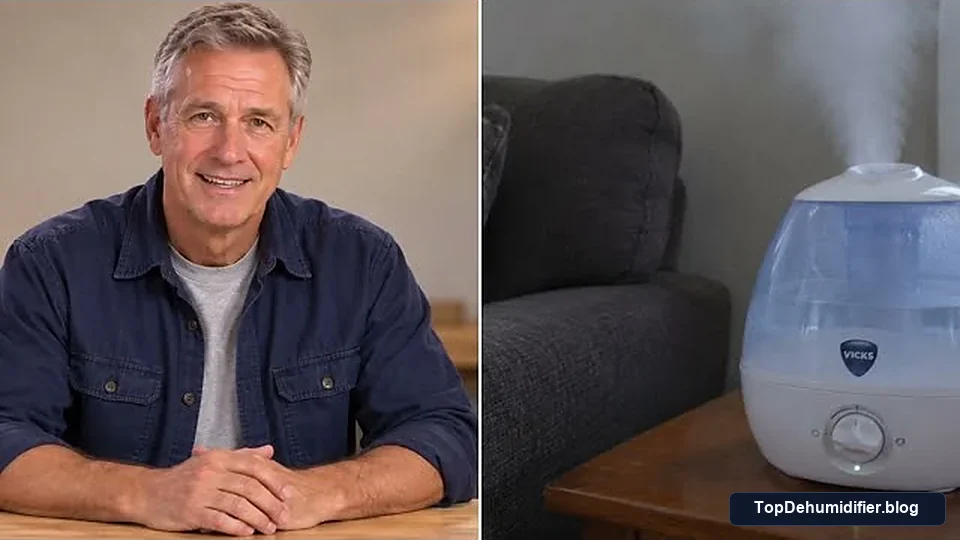
Desiccant dehumidifiers utilize moisture-absorbing materials rather than refrigerated coils for cold-space moisture control. These units perform exceptionally well in unheated garages, crawlspaces, and chilly winter basements.
Selecting the correct extraction technology prevents equipment burnout and ensures consistent humidity reduction. Calculate your space volume and operating temperature before choosing a portable moisture control device.
Continuous drainage hoses prevent overflowing water buckets during extended periods of unattended winter operation. Ensure drainage lines slope downward steadily to avoid freezing blocks in unheated utility areas.
- Refrigerated compressors freeze when operated below recommended temperature thresholds.
- Desiccant units excel in cold, unheated basements and crawlspaces.
- Use gravity drain hoses to maintain continuous winter operation safely.
- Clean air filters monthly to preserve proper airflow and efficiency.
Managing Low-Temperature Condenser Frost
Refrigerated units equipped with automatic defrost cycles attempt to melt accumulated frost periodically. However, continuous freezing temperatures will quickly overwhelm these built-in defrost systems and stall compressors.
Always relocate refrigerated dehumidifiers to warmer interior zones if basement temperatures drop below sixty degrees. Switch to desiccant models when dealing with persistent sub-sixty-degree operational spaces.
- Monitor compressor coils for thick ice sheet formation.
- Maintain ambient space temperatures above manufacturer operational minimums.
Preventing Condensation and Thermal Bridging on Exterior Walls
Thermal bridging occurs where framing members bypass insulation, creating cold spots on interior walls. Water vapor condenses rapidly on these freezing surfaces, promoting paint peeling and mold colonization.
Adding exterior continuous insulation eliminates thermal bridges and raises interior wall surface temperatures. This construction upgrade stops winter condensation effectively without requiring heavy mechanical dehumidification.
Furniture placement plays a critical role in preventing localized condensation and mold growth. Keep large sofas and bookcases a few inches away from exterior walls to maintain airflow.
Upgrading single-pane windows to multi-pane insulated glazing units stops heavy frost accumulation. High-performance glass maintains higher interior surface temperatures during severe freezing weather events.
- Eliminate thermal bridges with continuous exterior insulation upgrades.
- Leave air gaps between large furniture and exterior walls.
- Upgrade old windows to multi-pane insulated glass assemblies.
- Insulate rim joists in basements to prevent cold perimeter spots.
Insulating Rim Joists and Foundation Sills
Foundation rim joists represent major thermal bridges in residential basements. Uninsulated rim joists chill rapidly during winter, attracting heavy condensation and localized mold growth.
Install rigid foam board insulation and spray polyurethane foam along all rim joists. This stops heat loss and keeps interior wood framing safely above the dew point.
- Seal all gaps around sill plates with expandable foam.
- Cover rim joists with rigid foam insulation panels.
Maintenance Protocols for Cold-Season Moisture Control Equipment
Regular maintenance ensures your moisture control equipment operates safely throughout the winter season. Clean washable air filters bi-weekly to prevent dust accumulation that restricts vital internal airflow.
Inspect internal condensate pumps and collection buckets for mineral buildup or biological slime. Sanitizing these components prevents nasty odors and stops mechanical float switches from failing prematurely.
Test safety shut-off mechanisms manually to verify proper response to full water reservoirs. Proper testing prevents accidental overflows that could ruin hardwood flooring in finished living areas.
Store portable units in dry, climate-controlled spaces if seasonal moisture drops significantly. Performing end-of-season inspections extends compressor and desiccant wheel lifespans across multiple years of service.
- Wash air filters every two weeks during heavy operation.
- Sanitize collection buckets and condensate pumps monthly.
- Test automatic shut-off switches to prevent water damage.
- Store equipment properly when seasonal humidity levels normalize.
Sanitizing Collection Buckets and Drainage Lines
Biological slime and mold thrive inside stagnant dehumidifier collection buckets and drain lines. Wash these reservoirs monthly using a mild bleach solution to maintain sanitary conditions.
Flush continuous gravity drain hoses with warm water and vinegar to clear blockages. This prevents clogs that cause unexpected water overflows and basement floor damage.
- Mix one part household bleach with ten parts clean water.
- Rinse buckets thoroughly before reattaching them to units.
Frequently Asked Questions
What is the ideal indoor humidity level for a home during winter?
Maintain your indoor relative humidity between 30% and 40% to prevent destructive window condensation, heavy frost accumulation, and uncomfortable static electricity spikes throughout the cold heating season.
This carefully balanced moisture range protects structural building materials, deters hidden mold colonization, and supports optimal respiratory health during freezing weather events.
Why do my windows fog up with heavy condensation during cold weather?
Heavy window condensation occurs when warm, moisture-laden indoor air contacts cold glass surfaces that drop below the local dew point temperature.
Lowering your indoor relative humidity, upgrading to insulated multi-pane window glass, and improving perimeter air ventilation successfully stops this frustrating moisture accumulation immediately.
Can I use a standard compressor dehumidifier in a cold winter basement?
Standard refrigerated compressor dehumidifiers fail to operate efficiently when ambient basement temperatures drop below sixty degrees Fahrenheit because internal evaporator coils freeze solid. You must deploy a specialized desiccant dehumidifier designed specifically for cold environments to extract unwanted moisture reliably.
How can I accurately measure humidity levels in different rooms?
Position calibrated digital hygrometers at breathing height in central living areas, away from direct sunlight, heating vents, and exterior doors. Verify sensor accuracy periodically using the standard salt test method to ensure your environmental readings remain completely trustworthy.
What are the primary health risks of having air that is too dry in winter?
Excessively dry winter air dries out human mucous membranes, significantly increasing your susceptibility to airborne viruses, respiratory infections, and persistent throat irritation. Maintaining recommended indoor humidity levels protects your respiratory immune system and keeps wooden furnishings from splitting.