Healthy Indoor Humidity in Winter: Ideal Ranges
Managing winter indoor humidity prevents structural condensation and protects respiratory health. Proper moisture control ensures comfortable living spaces during cold weather months.


Maintain indoor relative humidity between 30% and 50% during winter months. This specific range stops window condensation while preventing dry mucous membranes.
Ready to compare models? Start with our Best Dehumidifier: Top Picks for Basements & Homes.
Practical Quick-Reference Table
| Scenario / Metric | Recommended Target | Why It Matters |
|---|---|---|
| Indoor Relative Humidity | 30% to 50% | Prevents mold growth while avoiding dry air. |
| Outdoor Temperature Drop | Adjust down by 5% | Stops frost and condensation on cold glass. |
| Basement Moisture Level | Below 50% | Inhibits fungal spores and musty odors. |
| Living Area Temperature | 68°F to 72°F | Balances thermal comfort with moisture control. |
| Ventilation Rate | 0.35 ACH minimum | Expels stale indoor air and excess humidity. |
| Crawlspace Vapor Barrier | 6-mil polyethylene | Blocks ground moisture migration effectively. |
Understanding Winter Indoor Humidity Dynamics
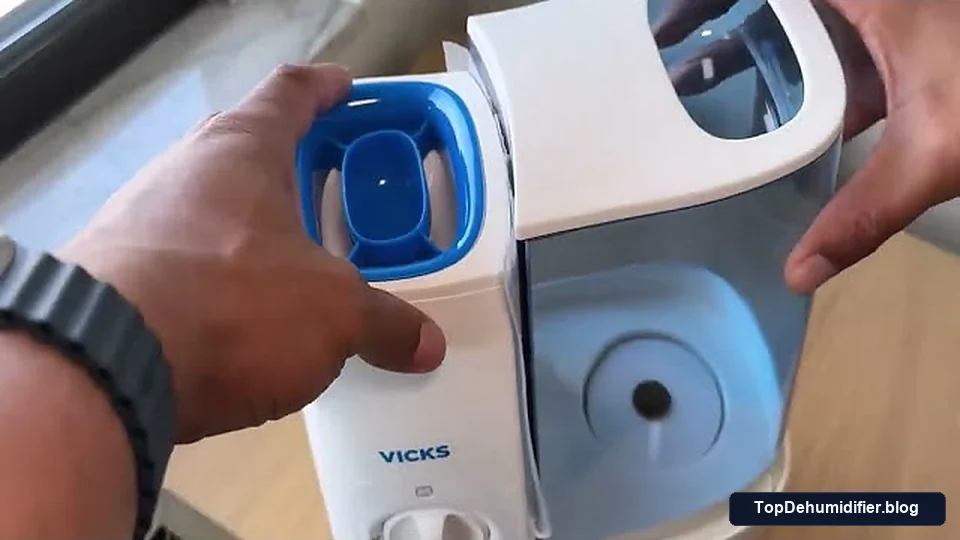
Cold outdoor air holds very little moisture compared to warm summer air. When this cold air enters a heated home, its relative humidity plummets dramatically, creating dry indoor conditions that affect daily comfort.
Conversely, tight building envelopes trap indoor moisture from showers and cooking. Consulting our dehumidifier vs humidifier for winter guide clarifies whether you require active extraction or supplemental indoor moisture.
Homeowners must monitor both temperature and moisture levels using calibrated hygrometers. Recognizing these seasonal shifts allows you to apply effective mitigation strategies before structural damage or health issues occur.
Balancing thermal dynamics requires understanding dew point physics. When warm indoor air contacts uninsulated surfaces, moisture drops out of suspension, fueling hidden mold colonies behind drywall and baseboards.
Cold outdoor air holds very little moisture. When heated indoors, relative humidity plummets. Maintaining 30% to 50% RH requires active management using calibrated hygrometers placed away from direct drafts.
Vapor pressure differentials drive moisture outward through building envelopes. Without a continuous vapor barrier, exfiltrating air deposits condensation inside wall cavities, causing structural thermal bridging and unseen wood rot.
Stack effect dynamics pull cold air in through lower building levels while warm, dry air escapes upward. This dynamic continuously alters local indoor humidity profiles across different stories in your home.
Precise psychrometric charts help map dew point temperatures against surface materials. Keeping interior window glass temperatures above the prevailing dew point prevents destructive frost accumulation during severe sub-freezing weather events.
- Install digital hygrometers in primary living zones.
- Track daily outdoor temperature drops to adjust targets.
- Seal major air leaks to control stack effect pressures.
- Monitor window glass for early condensation signs.
- Monitor absolute humidity levels using digital hygrometers.
- Seal envelope penetrations to minimize uncontrolled air leakage.
Analyzing Psychrometric Properties
Psychrometric charts map the complex relationship between air temperature, relative humidity, and absolute moisture content. Mastering these scientific metrics helps technicians diagnose complex winter humidity imbalances within residential structures.
Absolute moisture remains constant until a phase change occurs, but relative humidity shifts with every temperature swing. Utilizing precise formulas ensures accurate climate control throughout the entire heating season.
- Calculate dew point temperatures using psychrometric formulas.
- Measure grains of moisture per pound of dry air.
Psychrometric Calculations in Winter
Calculating exact dew points prevents hidden moisture accumulation inside exterior walls. Use certified psychrometric calculators to align your indoor relative humidity targets with local outdoor temperature drops.
- Track surface temperatures using infrared thermometers.
- Adjust target humidity based on outdoor thermal readings.
Physiological Determinants and Respiratory Health
Indoor air quality directly impacts human physiological wellness during winter months. Reviewing our best dehumidifier for winter use roundup helps mitigate allergen proliferation and protects compromised respiratory pathways.
Mucous membranes require balanced ambient moisture to trap airborne pathogens effectively. Maintaining proper humidity levels serves as a vital biological defense against seasonal viruses and bacterial infections.
Vulnerable populations, including young children and elderly residents, experience heightened sensitivity to poor indoor climates. Controlling home humidity acts as a preventative health measure across diverse demographics.
Chronic exposure to dry winter air can exacerbate asthma symptoms and trigger severe allergic reactions. Implementing proper humidity controls reduces airborne irritant concentrations for sensitive household occupants.
Dry winter air dehydrates mucous membranes in the nasal passages. This compromises natural ciliary clearance functions, leaving respiratory tissues vulnerable to airborne pathogen invasion and persistent irritation throughout heating season.
Maintaining indoor relative humidity above 30 percent significantly reduces influenza virus survival rates on indoor surfaces. Dry aerosol droplets evaporate quickly, allowing viral particles to remain suspended much longer.
Asthma sufferers frequently experience symptom exacerbations when indoor air drops below critical moisture thresholds. Proper humidification prevents excessive airway constriction by keeping delicate bronchial tissues adequately hydrated and functional.
Skin barrier function degrades rapidly under low humidity conditions. Trans-epidermal water loss increases substantially, causing painful cracking, dermatitis flare-ups, and increased susceptibility to secondary bacterial skin infections.
- Protect mucous membranes with adequate ambient moisture.
- Reduce indoor allergen loads through proper ventilation.
- Monitor respiratory health indicators during cold snaps.
- Maintain hygienic air filters in HVAC systems.
- Encourage steady fluid intake to support mucosal hydration.
- Utilize cool-mist evaporative humidifiers in sleeping areas.
Evaluating Biological Resilience Factors
Biological resilience depends heavily on clean indoor air and stable environmental conditions. Exposure to volatile organic compounds and mold spores creates systemic inflammatory responses in susceptible individuals.
Optimizing home humidity parameters supports immune function by reducing pathogen viability in dry air. This balanced approach promotes long-term physical wellness during harsh winter seasons.
- Minimize indoor pollutant sources during tight-house conditions.
- Support immune defenses with optimal relative humidity.
Managing Bronchial Health Indoors
Optimizing ambient moisture levels directly supports pulmonary function during freezing months. Consistent vapor pressures prevent airway tissues from drying out during prolonged forced air heating cycles.
- Clean humidifier tanks daily to prevent bacterial growth.
- Replace evaporative wicks according to manufacturer schedules.
Video Walkthrough: Ask Andrew: Why indoor humidity matters during the cold season
Navigating Barriers to Optimal Moisture Control

Numerous physical barriers complicate effective winter humidity management in older residential properties. Checking our dehumidifier vs air conditioner comparison clarifies how persistent moisture traps develop inside exterior building assemblies.
Financial constraints often prevent homeowners from upgrading outdated HVAC equipment or sealing leaky ductwork. Overcoming these economic hurdles requires prioritizing cost-effective air sealing and targeted mechanical interventions.
Behavioral habits, such as skipping exhaust fan usage during cooking, also hinder moisture regulation. Educating occupants about daily practices is essential for success in winter climate control.
Architectural design flaws, including thermal bridges around window frames, frequently undermine mechanical dehumidification efforts. Identifying these structural weak points allows for targeted thermal remediation and improved comfort.
Over-humidification introduces severe risks of hidden mold growth behind drywall. Homeowners must balance moisture addition with proper ventilation rates using energy recovery ventilators to exhaust stale, humid indoor air.
Humidifier mineral buildup clogs ultrasonic transducers and fosters microbial growth. Regular maintenance using a vinegar solution prevents white dust dispersal and protects indoor air quality from biological contamination hazards.
Improperly sized humidification equipment creates localized water pooling around ductwork. Always verify static pressure ratings and duct material compatibility before integrating central bypass humidifiers into existing furnace systems.
Inaccurate hygrometer placement skews automatic control loops. Never mount sensors near supply registers, exterior walls, or direct sunlight to ensure true ambient moisture readings drive your environmental controls.
- Address thermal bridging around structural framing members.
- Upgrade attic insulation to prevent ice dam formation.
- Educate occupants on daily moisture-generating habits.
- Prioritize cost-effective air sealing before equipment upgrades.
- Calibrate hygrometers using the salt test method.
- Inspect duct connections regularly for condensation pooling.
Overcoming Structural Limitations
Historic homes present unique challenges due to breathable plaster walls and lack of modern cavities. Technicians must balance historic preservation with modern moisture physics to prevent rot.
Installing smart vapor permeable membranes can resolve moisture entrapment issues safely. This technique protects historic timber framing while achieving healthy indoor humidity standards.
- Assess historic wall assemblies for vapor permeability.
- Deploy breathable insulation materials in older properties.
Troubleshooting Mineral Scale Accumulation
Hard water minerals rapidly calcify heating elements and evaporator pads. Routine descaling prevents mechanical failures and ensures your system delivers clean moisture without harmful particulate dispersion.
- Use distilled water to minimize mineral buildup.
- Soak components in acid-based cleaning solutions.
WHO Guidelines and Occupational Indoor Standards
World Health Organization frameworks emphasize maintaining indoor relative humidity below 60 percent to prevent mold. Adhering to these international benchmarks ensures safe residential environments throughout winter.
Occupational standards for indoor air quality mandate specific ventilation rates and moisture thresholds. Meeting these rigorous requirements protects workers who operate home-based professional offices during cold months.
Public health policies recognize dampness as a primary driver of preventable respiratory illnesses. Compliance with established safety guidelines creates resilient living spaces for all building occupants.
International agencies stress the importance of continuous monitoring in commercial and residential structures. Following these authoritative recommendations eliminates hazardous microbial growth in closed environments.
The World Health Organization recommends maintaining indoor relative humidity between 30% and 60% to prevent microbial proliferation while avoiding extreme desiccation of human mucosal membranes in residential spaces.
ASHRAE Standard 62.1 outlines minimum ventilation rates required for acceptable indoor air quality. Meeting these standards helps dilute indoor pollutants and manages vapor loads generated by human occupancy and daily activities.
Occupational safety agencies mandate strict indoor climate parameters in commercial workspaces. Maintaining stable humidity levels protects worker productivity, minimizes absenteeism from respiratory illnesses, and prevents static electricity discharges around sensitive electronics.
Building codes increasingly enforce continuous mechanical ventilation mandates. These systems work alongside active humidity controls to maintain healthy indoor air without compromising thermal efficiency or structural integrity parameters.
- Target WHO relative humidity thresholds strictly.
- Incorporate occupational ventilation rates into homes.
- Monitor indoor air quality parameters continuously.
- Prevent microbial amplification using established standards.
- Review local building codes for mandatory ventilation rates.
- Audit commercial HVAC systems for compliance standards.
Implementing Regulatory Compliance Protocols
Translating global health guidelines into practical household routines requires systematic measurement. Using our pint capacity calculator helps technicians verify that indoor climate parameters align with safety standards.
Regular audits of HVAC performance ensure ongoing compliance with institutional air quality metrics. This rigorous oversight guarantees optimal occupant protection year-round.
- Perform regular HVAC performance audits.
- Verify humidity metrics against institutional standards.
Adhering to ASHRAE Ventilation Benchmarks
Meeting ventilation standards ensures adequate outdoor air exchanges occur hourly. Proper dilution of indoor contaminants protects occupants from chronic exposure to trapped chemical off-gassing agents.
- Calculate CFM requirements based on total floor area.
- Verify mechanical damper operation during routine maintenance.
Nutritional Links and Environmental Health Factors
Environmental health encompasses both indoor air quality and broader lifestyle determinants like nutrition. Poor diet quality combined with damp living spaces can exacerbate chronic health conditions during winter.
Nutritional status influences the human body's resilience against seasonal stressors and airborne pathogens. Maintaining a balanced diet supports immune function alongside clean indoor air practices.
Access to fresh, nutrient-dense food groups remains challenging for low-income households facing housing deficiencies. Addressing these intertwined factors requires a holistic public health approach focusing on living conditions.
Environmental toxins found in damp homes can impair metabolic processes and nutrient absorption. Eliminating excess indoor moisture promotes a healthier physiological state for all household residents.
Indoor environmental conditions directly impact food storage longevity and kitchen hygiene. Excessively dry winter air dehydrates perishable produce, while localized dampness promotes spoilage and dangerous mycotoxin production in pantries.
Adequate hydration practices become even more critical when indoor air is artificially heated. Dry environments accelerate insensible fluid loss through skin and respiration, requiring increased water intake for optimal metabolic function.
Airborne dust mites thrive in high humidity but perish when levels drop below 50 percent. However, overly dry air stirs up settled particulate matter, aggravating allergies for sensitive occupants sharing the indoor space.
Volatile organic compounds off-gas at higher rates when indoor temperatures and humidity fluctuate wildly. Maintaining stable environmental baselines minimizes chemical emissions from composite furniture, carpets, and household cleaning products.
- Link indoor air quality with overall wellness.
- Support immune health through proper nutrition.
- Mitigate environmental toxins in damp living spaces.
- Address socio-economic barriers to healthy housing.
- Store sensitive foods in airtight humidity-controlled containers.
- Vacuum carpets frequently using HEPA filtration vacuums.
Assessing Diet and Environment Interactions
Research indicates that substandard housing conditions negatively affect metabolic health and dietary habits. Improving indoor climates fosters a supportive home environment for better lifestyle choices.
Comprehensive wellness strategies must integrate air quality control with nutritional support programs. This multifaceted method delivers sustainable health outcomes across vulnerable populations.
- Analyze housing impacts on metabolic well-being.
- Integrate environmental controls with wellness initiatives.
Controlling Allergen Dispersal in Winter
Low humidity immobilizes certain allergens while causing others to become airborne. Using whole-house air purifiers alongside humidification systems captures fine particulates and maintains safe respiratory health baselines.
- Wash bedding weekly in hot water cycles.
- Maintain indoor humidity near forty percent.
Maintaining Balanced Thermal Comfort and Air Quality

Thermal comfort relies on the precise interaction between air temperature, radiant heat, and humidity. Achieving this delicate balance prevents stuffy indoor air while maintaining cozy living spaces.
Excessive heating without adequate moisture addition leads to uncomfortably dry conditions. Utilizing whole-house humidifiers or localized units restores proper moisture balance during frigid winter days.
Air exchange rates must be carefully calculated to prevent heat loss while removing pollutants. Proper ventilation strategies ensure fresh oxygen distribution throughout tightly sealed homes.
Monitoring carbon dioxide levels helps determine when mechanical ventilation is required. Maintaining low pollutant concentrations guarantees superior indoor air quality for all occupants.
Thermal comfort relies on the delicate balance between air temperature, radiant heat, and relative humidity. Higher humidity makes air feel warmer, allowing lower thermostat settings without sacrificing human comfort standards.
Filtration efficiency drops when HVAC blower motors run continuously without proper duct sealing. Ensure your system utilizes a high-MERV filter to capture fine particulate matter stirred up by winter heating cycles.
Ceiling fans operated in reverse at low speeds gently push rising warm air back down to the floor level, improving overall thermal stratification and reducing localized humidity pockets.
Balancing convective currents with radiant heating elements prevents hot, dry air layers from accumulating near ceilings. This comprehensive approach maintains consistent indoor air quality and uniform thermal distribution throughout every room.
- Balance heating output with appropriate humidification.
- Calculate optimal air exchange rates for tightness.
- Monitor carbon dioxide concentrations regularly.
- Deploy whole-house ventilation systems efficiently.
- Set ceiling fans to rotate clockwise at low speeds.
- Upgrade furnace filters to MERV 13 ratings.
Fine-Tuning HVAC Equipment Settings
Modern HVAC systems offer advanced controls for managing both temperature and moisture simultaneously. Programming these thermostats correctly ensures energy-efficient climate management during winter peaks.
Routine maintenance of blower motors and filtration media prevents system bottlenecks. This proactive upkeep guarantees reliable environmental control throughout the heating season.
- Program smart thermostats for optimal humidity.
- Inspect blower motors and filters seasonally.
Optimizing HVAC Airflow Dynamics
Proper airflow management ensures conditioned air mixes thoroughly before reaching living zones. Balanced supply and return registers eliminate dead air spaces where stagnant moisture can accumulate undetected.
- Keep supply vents free from furniture obstructions.
- Balance register dampers for even room temperatures.
Preventing Structural Condensation and Mold Risks
Unchecked indoor humidity during winter inevitably causes moisture to condense inside cold exterior walls. This hidden accumulation fosters rapid mold growth, threatening structural framing integrity and indoor health.
Installing continuous exterior insulation breaks thermal bridges and raises interior wall temperatures. This structural modification successfully eliminates condensation surface risks in cold climates.
Crawlspaces and basements require dedicated vapor barriers to stop ground moisture migration. Controlling subterranean humidity protects the entire building foundation from rot and mildew.
Attic ventilation must remain unobstructed to prevent warm indoor air from meeting cold roof decks. Maintaining clear soffit vents prevents destructive ice damming and moisture buildup.
Cold bridging occurs when uninsulated structural elements transfer outdoor frost inward. This creates localized freezing surfaces where indoor water vapor condenses instantly, fostering rapid mold colonization inside wall assemblies.
Installing continuous exterior insulation breaks thermal bridges and raises interior framing temperatures above the dew point. This engineering control permanently eliminates internal condensation risks during prolonged freeze events.
Attic ventilation prevents warm indoor air from leaking into cold roof spaces. Proper soffit and ridge vent clearances maintain equalized pressure, stopping destructive ice dams and roof deck rot during winter.
Regularly inspect window seals and perimeter caulking for air leakage paths. Sealing these gaps prevents moisture-laden indoor air from exfiltrating into cold building frames, protecting your home against hidden moisture damage.
- Install continuous exterior insulation boards.
- Seal basement and crawlspace earth floors.
- Keep attic soffit and ridge vents clear.
- Inspect wall cavities for hidden condensation.
- Seal attic bypasses with expandable foam insulation.
- Install continuous vapor retarders behind drywall layers.
Executing Effective Mold Remediation
When mold colonies develop due to winter moisture issues, immediate professional remediation is required. Eliminating the moisture source stops future fungal recurrence permanently.
Using HEPA filtration during cleanup protects workers and occupants from airborne spores. This rigorous containment protocol ensures safe environmental restoration in affected areas.
- Identify and eliminate the root moisture source.
- Deploy HEPA containment during mold removal.
Mitigating Attic Moisture Accumulation
Attic bypasses allow warm, humid interior air to reach cold roof decking. Installing proper insulation baffles and sealing penetrations protects your roof structure from destructive ice damming formations.
- Ensure unobstructed airflow between soffit vents.
- Verify exhaust fans vent directly outdoors.
Frequently Asked Questions
What is the ideal indoor humidity level for winter?
Maintain indoor relative humidity between 30% and 50% during winter months. This range prevents window condensation while protecting your respiratory health from excessively dry air.
How can I prevent window condensation when it freezes outside?
Lower your indoor humidity target by five percent for every ten-degree drop in outdoor temperature. Using exhaust fans during cooking and showering also removes excess moisture quickly.
Does dry winter air affect indoor air quality negatively?
Extremely dry air dries out mucous membranes and suspends dust particles longer. Using appropriate humidification restores proper ambient moisture balance for daily respiratory comfort.
Why does my basement feel more humid during winter?
Cold foundation walls chill indoor air, raising local relative humidity and causing musty odors. Insulating foundation walls and installing a vapor barrier solves subterranean moisture problems effectively.
Are whole-house humidifiers necessary for every winter climate?
Homes in severely cold regions benefit greatly from whole-house humidifiers connected to HVAC systems. Proper sizing ensures consistent relative humidity control without over-saturating wall cavities.