Comfortable Indoor Humidity Winter: Normal Ranges
Maintaining proper humidity during winter protects your home from structural moisture damage. Balancing moisture levels prevents respiratory discomfort and window condensation.


Keep your indoor relative humidity between 30% and 40% during cold winter months. Lower outdoor temperatures require reduced indoor moisture to prevent structural wall condensation and mold growth.
Ready to compare models? Start with our Best Dehumidifier: Top Picks for Basements & Homes.
Practical Quick-Reference Table
| Scenario / Metric | Recommended Target | Why It Matters |
|---|---|---|
| Outdoor Temp Below 10°F | 30% Max Indoor RH | Prevents heavy window frost and frame rot. |
| Outdoor Temp 10° to 20°F | 35% Max Indoor RH | Balances human skin comfort with glass safety. |
| Outdoor Temp 20° to 30°F | 40% Max Indoor RH | Reduces static electricity without condensation. |
| Basement Concrete Walls | Below 50% RH | Stops mold colonization in unheated zones. |
| Hygrometer Calibration | Plus or Minus 2% | Ensures accurate moisture tracking readings. |
| Continuous Drain Hose | Gravity Slope > 1-inch/ft | Prevents standing water and winter freezing. |
Understanding Winter Psychrometrics and Vapor Pressure
Cold winter air holds significantly less moisture than warm summer air. When outdoor temperatures drop, absolute humidity plummets across residential building envelopes.
Warm indoor air attempts to migrate outward through porous drywall and insulation. This vapor pressure differential drives moisture straight toward cold exterior framing components.
Controlling this pressure gradient requires lowering indoor relative humidity settings. As outdoor conditions worsen, your target indoor moisture level must decrease accordingly.
Building science dictates that air leakage paths accelerate vapor diffusion rates. Sealing envelope penetrations limits unwanted moisture movement before mechanical systems engage.
- Track daily outdoor temperature drops to adjust indoor humidity targets.
- Recognize that lower exterior readings demand strict interior moisture reduction.
- Inspect vapor barriers for tears that allow warm air migration.
- Understand dew point calculations to predict localized water droplet formation.
Vapor Diffusion Mechanics
Vapor pressure drives moisture from high-concentration areas to low-concentration zones. In winter, this means interior humidity pushes aggressively toward freezing outdoor framing cavities.
Without proper retarders, moisture accumulates inside insulated exterior walls over time. This trapped liquid water causes hidden structural timber rot and mold blooms.
- Monitor interior vapor pressure differentials using calibrated tools.
- Install continuous polyethylene barriers on warm sides of walls.
- Prevent interstitial condensation by matching interior moisture to climate zones.
Mechanical Dehumidification Limits in Cold Spaces
Standard compressor-based dehumidifiers struggle significantly in unheated winter basements. Refrigerant coils drop below freezing when ambient room temperatures fall under 65 degrees.
Frost accumulation on evaporator coils halts moisture extraction completely during cold spells. The unit must enter frequent defrost cycles, reducing overall operating efficiency.
Desiccant dehumidifiers utilize silica gel rotors instead of cold refrigeration coils, while sizing choices are guided by our pint capacity calculator. These units handle low ambient winter temperatures without freezing up.
Selecting the correct technology for unheated zones prevents equipment burnouts. Always review operating temperature thresholds before deploying moisture removal devices outside.
- Avoid standard compressor units in spaces dropping below 60 degrees.
- Deploy desiccant technology for unheated garages and crawlspaces.
- Inspect defrost mechanisms regularly during extended cold weather snaps.
- Maintain adequate airflow around intake grilles to maximize efficiency.
Desiccant Rotor Performance
Desiccant wheels absorb water vapor directly through chemical attraction properties. This eliminates freezing evaporator coil issues common in winter basement environments.
Internal heaters regenerate the rotor matrix by driving moisture outdoors via ducting. This continuous process maintains dry conditions despite freezing outdoor temperatures.
- Ensure exhaust ducting vents directly outside the building envelope.
- Clean reactivation filters monthly to prevent dust buildup inside rotors.
- Verify power supply stability for continuous desiccant heating elements.
Video Walkthrough: Ask Andrew: Why indoor humidity matters during the cold season
Structural Condensation Risks and Thermal Bridging
Thermal bridges occur where framing members bypass continuous exterior wall insulation. These cold spots drop surface temperatures below the interior air dew point.

Moisture condenses rapidly on uninsulated metal studs and window aluminum frames. Left unmanaged, this pooled water ruins drywall finishes and rots surrounding wood.
Maintaining interior humidity below 35 percent minimizes winter window condensation risks, as explained in our dehumidifier vs air conditioner for humidity control guide. Double-pane glass performance improves dramatically when indoor air stays dry.
Infrared thermal cameras help identify hidden thermal bridging locations quickly. Pinpointing these cold spots lets you apply targeted insulation upgrades before winter deepens.
- Check window sills every morning for pooling condensation droplets.
- Insulate exposed metal window frames to raise surface temperatures.
- Use thermal imaging tools to locate cold structural framing spots.
- Lower humidifier output when frost appears on glass corners.
Window Frame Protection Strategies
Cold window frames act as natural indoor moisture collection points. Improving perimeter sealing prevents warm interior air from hitting freezing glass surfaces.
Adding clear plastic film insulation kits creates an insulating dead air space. This simple retrofit raises glass temperatures and stops winter weeping.
- Seal interior window trim joints with paintable acrylic caulk.
- Install secondary interior storms to boost glass surface temperatures.
- Wipe down wet sills daily to prevent mold growth on wood.
HVAC Integration and Ventilation Balancing Strategies
Modern energy-efficient homes trap indoor moisture generated by daily human activities. Cooking, showering, and breathing elevate indoor relative humidity without proper ventilation.
Balanced ventilation systems like heat recovery ventilators exhaust stale, humid air outdoors. Simultaneously, they temper incoming fresh air to maintain thermal efficiency.
Running bathroom exhaust fans for 20 minutes after showers removes excess vapor. Neglecting local exhaust fans forces HVAC systems to handle massive moisture loads.
Coordinating exhaust flow rates with whole-house dehumidification prevents negative pressure issues. Negative pressure pulls unconditioned crawlspace air up into living spaces.
- Run kitchen range hoods every time you cook winter meals.
- Service heat recovery ventilator cores before the heating season begins.
- Ensure clothes dryers vent completely outside without leaks.
- Balance supply and return airflow to neutralize indoor pressure.
HRV Core Maintenance
Heat recovery cores transfer thermal energy between incoming and outgoing airstreams. Regular cleaning ensures maximum heat exchange efficiency during freezing weather.
Blocked core channels restrict airflow, causing moisture buildup inside ducts. Inspect and wash these components twice annually to guarantee proper operation.
- Vacuum foam filters gently using soft brush attachments.
- Wash aluminum recovery plates with warm water and mild detergent.
- Check exterior intake hoods for ice blockages during blizzards.
Monitoring Equipment, Hygrometers, and Calibration
Accurate humidity tracking requires placing calibrated digital hygrometers throughout living areas. Inaccurate sensors lead to incorrect equipment settings and structural damage.

Digital sensors drift out of calibration over extended periods of continuous use. Checking sensor accuracy using the standard salt test ensures reliable moisture data.
Place monitoring devices away from direct heat sources and exterior doors. Proper placement guarantees readings reflect true living space psychrometric conditions.
Recording daily humidity levels helps identify seasonal moisture pattern anomalies quickly. This proactive tracking protects your home from unexpected indoor precipitation events.
- Perform salt calibration tests on hygrometers every six months.
- Mount sensors at mid-wall height away from direct sunlight.
- Replace failing batteries before winter monitoring seasons begin.
- Compare multiple sensor readings to verify overall system accuracy.
The Salt Test Calibration Method
Mix table salt with distilled water until it forms a slushy paste. Place this mixture inside a sealed plastic bag with your digital hygrometer.
After six hours, the enclosed air should read exactly 75 percent humidity. Adjust your hygrometer offset settings to match this established scientific benchmark.
- Use pure sodium chloride without any anti-caking additives.
- Seal the plastic bag completely to prevent ambient air leaks.
- Allow the sensor to stabilize for at least six hours.
Video Walkthrough: Introduction
Portable Dehumidifier Selection for Cold Basements
Choosing a portable unit for cold seasons requires evaluating low-temperature capabilities, detailed inside our dehumidifier vs humidifier for winter comparison. Standard models shut down when coils drop below safe operational limits.
Look for units featuring internal auto-defrost functions and low-temperature certifications. These models continue extracting moisture even when basement temperatures hover near 50 degrees.
Continuous drainage setups eliminate the hassle of emptying heavy collection buckets manually. Route drainage hoses downward with a steady gravity slope to prevent freezing.
Sizing capacity correctly ensures the appliance runs efficiently without short-cycling. Undersized units run continuously, driving up electricity bills without lowering moisture.
- Verify low-temperature operating specs before purchasing extraction units.
- Set up continuous gravity hoses to bypass manual bucket emptying.
- Clean air filters bi-weekly to maintain optimal airflow rates.
- Position units centrally to encourage unobstructed air circulation.
Gravity Drain Hose Best Practices
Route drain lines downward continuously to prevent water pooling inside tubes. Standing water in cold zones freezes solid and blocks drainage entirely.
Insulate drain lines running through unheated crawlspaces or exterior walls. This simple precaution stops winter ice blockages from backing up into units.
- Secure tubing firmly to prevent accidental dislodgement.
- Use rigid PVC pipe for long unheated drainage runs.
- Inspect drain outlets regularly for ice dam formations.
Maintenance Protocols for Winter Moisture Control
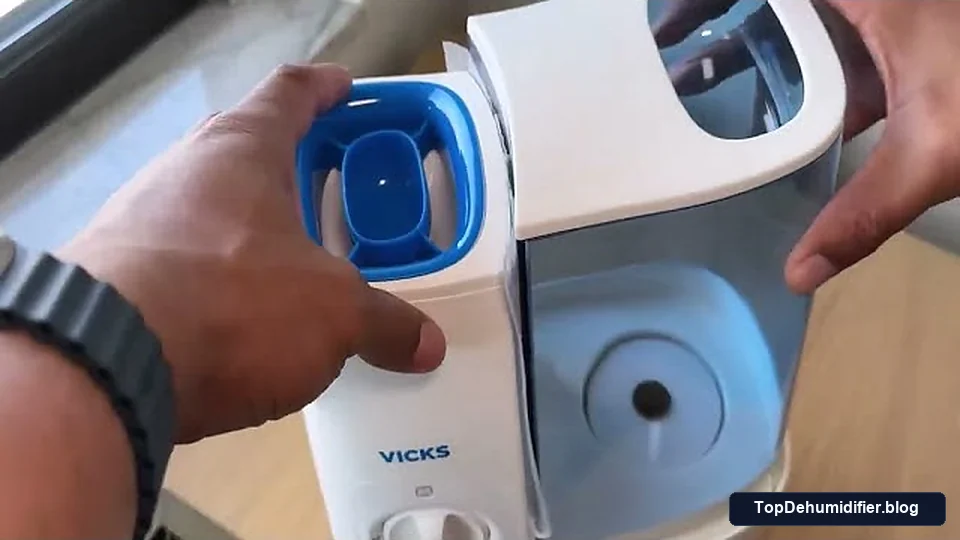
Routine equipment maintenance prevents unexpected failures during peak winter moisture seasons. Dirty coils and clogged filters reduce machine efficiency and increase energy consumption.
Inspect dehumidifier intake filters every two weeks during heavy operation periods, matching recommendations found in our best dehumidifier for winter use roundup. Wash reusable mesh filters gently using warm water.
Examine power cords and plugs for signs of wear or cracking. Damaged electrical components present severe fire hazards in damp winter basement environments.
Store portable units properly if seasonal weather eliminates indoor moisture issues. Clean and dry all internal reservoirs thoroughly before long-term storage periods.
- Wash mesh air filters bi-weekly to maintain proper airflow.
- Inspect electrical cords for fraying or insulation damage.
- Sanitize collection buckets monthly to prevent mold slime buildup.
- Test auto-shutoff switches to prevent messy water overflows.
Coil Cleaning and Sanity Checks
Dust buildup on evaporator coils insulates them from warm room air. This reduces condensation efficiency and forces compressors to work much harder.
Use approved coil cleaning sprays to dissolve stubborn grease and particulate matter. Rinse thoroughly according to manufacturer specifications before restarting equipment.
- Unplug the dehumidifier completely before servicing internal coils.
- Apply non-toxic coil cleaner evenly across fin surfaces.
- Allow all cleaned components to dry completely before power restoration.
Frequently Asked Questions
What is the ideal indoor humidity level during cold winter weather?
Keep your indoor relative humidity between 30% and 40% during winter. This range prevents window condensation while avoiding dry skin.
Why does my dehumidifier stop working in an unheated winter basement?
Standard compressor coils freeze up when temperatures drop below 65 degrees. Use a desiccant dehumidifier for cold basement environments instead.
How can I prevent mold growth on cold exterior walls in winter?
Lower your indoor humidity settings and improve interior air circulation. Thermal insulation upgrades eliminate the cold spots where moisture condenses.
Should I run a humidifier and a dehumidifier at the same time?
Running both devices simultaneously wastes electricity and stresses your HVAC system. Balance your home humidity using proper ventilation and localized controls.
How do I test my hygrometer for accurate winter readings?
Perform the standard salt test inside a sealed plastic bag. An accurate sensor will read approximately 75% humidity after six hours.