Average Indoor Humidity in Winter: What Is Normal?
Maintaining proper indoor humidity during cold weather prevents structural damage and health issues. Homeowners must monitor baseline moisture levels carefully.


Keep your winter indoor relative humidity between thirty and forty percent. This specific range prevents condensation while avoiding dry, irritating air conditions.
Ready to compare models? Start with our Best Dehumidifier: Top Picks for Basements & Homes.
Practical Quick-Reference Table
| Scenario / Metric | Recommended Target | Why It Matters |
|---|---|---|
| Outdoor Freezing Weather | 30% - 40% RH | Prevents window frost and mold. |
| Mild Winter Conditions | 35% - 45% RH | Maintains comfortable skin moisture. |
| Unheated Basements | Below 50% RH | Stops cold-surface mold growth. |
| Hygrometer Accuracy | Plus-Minus 3% | Ensures reliable daily readings. |
| Desiccant Operation | Under 50°F / 10°C | Extracts moisture without freezing coils. |
| HVAC Air Filters | Changed Monthly | Promotes balanced air circulation. |
Defining Ideal Winter Indoor Humidity Levels
Winter heating systems drastically alter indoor moisture balances across residential structures. Without careful monitoring, indoor air frequently drops too low or climbs excessively high.
Maintaining thirty to fifty percent relative humidity protects your home materials. Consult our dehumidifier vs humidifier for winter comparison to choose the right seasonal climate device.
Outdoor temperatures directly dictate your safe indoor humidity thresholds. As outside air gets colder, your indoor targets must decrease proportionally to prevent window frosting.
Check your hygrometer readings daily throughout the coldest winter weeks. Consistent tracking helps you catch sudden moisture spikes before structural damage occurs.
- Target 30-40% RH when outdoor temperatures drop below freezing.
- Avoid sustained humidity above 50% on exterior walls.
- Use calibrated hygrometers placed away from direct drafts.
- Adjust baseline targets as local weather patterns shift.
Climate-Specific Thresholds
Extremely cold regions require lower indoor humidity targets to prevent thermal bridging. Even a small drop in outdoor temp demands immediate indoor adjustment.
Coastal winter climates might retain higher ambient moisture levels requiring targeted extraction. Balance mechanical ventilation with localized dehumidification for optimal results.
- Lower targets by 5% for every 10-degree drop below freezing.
- Monitor basement and crawlspace areas separately from main floors.
The Physics of Cold Weather Moisture and Condensation
Warm indoor air holds significantly more moisture than frigid outdoor air. When this warm air hits cold glass, water vapor rapidly condenses into liquid droplets.
Thermal bridging occurs when uninsulated framing members conduct outdoor cold directly indoors. These cold spots become primary zones for destructive mold and mildew colonization.
Everyday household activities continuously add unseen moisture to your indoor environment. Cooking, showering, and breathing elevate baseline humidity levels faster than you might expect.
Effective winter ventilation expels this trapped moisture before it damages building materials. Review our best dehumidifier for winter guide to select high-performance units for cold environments.
- Inspect window sills regularly for accumulating condensation beads.
- Run bathroom exhaust fans for twenty minutes after showering.
- Ensure kitchen range hoods vent completely to the outdoors.
- Seal major air leaks to control unwanted moisture infiltration.
Video Walkthrough: Ask Andrew: Why indoor humidity matters during the cold season
Health Implications of Sub-Optimal Winter Humidity
Extremely dry winter air irritates mucous membranes and respiratory pathways significantly. Maintaining proper indoor humidity prevents excessive dryness in nasal passages and throats.

Conversely, trapped high humidity encourages dust mite proliferation and mold spore circulation. Both allergens trigger severe asthma attacks and persistent winter allergy symptoms.
Viruses often survive longer in dry indoor air environments during winter months. Balanced humidity helps reduce airborne pathogen transmission among household family members.
Skin health also depends heavily on balanced indoor atmospheric moisture levels. Prevent painful cracking and irritation by keeping baseline humidity within recommended technical parameters.
- Keep humidity above 30% to protect respiratory tract health.
- Prevent mold growth to eliminate indoor asthma triggers.
- Clean humidification tanks weekly to prevent bacterial dispersal.
- Monitor vulnerable family members during severe weather changes.
Measuring Relative Humidity Using Calibrated Hygrometers
Accurate humidity measurement requires reliable digital hygrometers placed throughout living areas. Avoid cheap analog gauges that lose calibration quickly under fluctuating temperatures.
Place your sensors at mid-height on interior walls away from direct sunlight. Direct heat sources or exterior drafts provide false relative humidity readings.
Salt-test calibration methods verify whether your digital hygrometer functions correctly. Submerge a small salt slurry mixture inside a sealed bag with your sensor.
Replace device batteries annually to ensure uninterrupted data collection all winter long. Consistent monitoring prevents surprises when outdoor temperatures plunge unexpectedly.
- Use digital hygrometers with a proven accuracy of plus-minus 3%.
- Perform salt-test calibration every six months for precision.
- Keep sensors away from exterior doors and heating vents.
- Record daily peak and low humidity levels for trends.
Balancing HVAC Systems and Ventilation in Winter
Modern airtight homes trap indoor pollutants and moisture without mechanical ventilation. Balanced ventilation systems introduce fresh outdoor air while recovering thermal energy efficiently.
Forced-air heating systems often dry out indoor air excessively during peak winter. Supplementing dry air requires careful calculation to avoid creating localized condensation zones.
Inspect your furnace filters monthly to maintain proper airflow across heat exchangers. Restricted airflow lowers overall heating efficiency and disrupts indoor humidity distribution.
Integrate humidifiers or dehumidifiers directly with your central thermostat for automated control. Smart sensors adjust system output based on real-time indoor environmental measurements.
- Change HVAC air filters every thirty to ninety days.
- Verify heat recovery ventilator core cleanliness before winter.
- Set central thermostats to match outdoor temperature sliding scales.
- Inspect ductwork joints for leaks that alter humidity.
Selecting Dehumidification Equipment for Cold Spaces
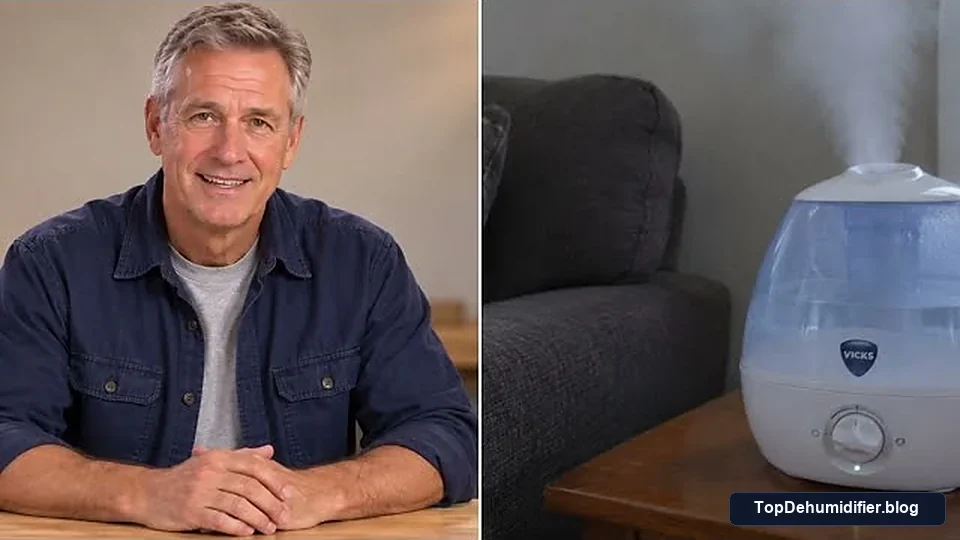
Unheated basements and crawlspaces require specialized dehumidifiers rated for lower ambient temperatures. Standard compressor units freeze up and fail when temperatures drop below sixty-five degrees.
Desiccant dehumidifiers utilize moisture-absorbing materials rather than refrigerated coils for extraction. These units perform exceptionally well in cold, unheated areas during winter.
Use our pint capacity calculator to determine correct sizing based on room square footage and moisture severity. Undersized equipment runs continuously without achieving target winter humidity thresholds.
Install continuous drainage hoses to avoid manual bucket emptying during freezing weather. Ensure discharge lines route safely outdoors without risk of frozen blockages.
- Choose desiccant models for spaces under fifty degrees Fahrenheit.
- Verify low-temperature automatic defrost features on compressors.
- Size equipment correctly for total square footage volume.
- Insulate drain lines running through unheated exterior zones.
Daily Maintenance Routines for Winter Humidity Control
Establishing consistent maintenance routines prevents equipment failure and optimizes air quality. Read our dehumidifier vs air conditioner comparison to understand specific moisture extraction differences.
Clean washable air filters every two weeks to maintain maximum airflow efficiency. Dust accumulation forces motors to work harder, reducing moisture extraction performance.
Inspect surrounding wall cavities periodically for hidden signs of frost or dampness. Early detection prevents expensive structural repairs and mold remediation projects later.
Store seasonal equipment properly during warmer months to protect internal mechanical components. Follow manufacturer guidelines for winter shutdown and spring startup procedures.
- Empty manual water collection buckets before they overflow.
- Vacuum dust from unit intake grilles on a weekly basis.
- Test automatic shutoff switches monthly for safety assurance.
- Keep clearance spaces around equipment free from clutter.
Frequently Asked Questions
What is the ideal indoor humidity in winter?
Maintaining your indoor relative humidity strictly between thirty and forty percent during the coldest winter months protects overall structural integrity.
This precise technical range successfully prevents destructive window condensation on cold glass panes while avoiding overly dry air that chronically irritates sensitive respiratory passages throughout your entire residential household during freezing weather.
Why does winter air cause condensation on windows?
Warm indoor air naturally holds substantial moisture that rapidly turns into visible liquid droplets upon touching freezing window glass panes.
Thermal bridging across poorly insulated structural frames significantly worsens this physical phenomenon by creating localized cold surfaces that continuously attract excess water vapor directly from your everyday living spaces throughout prolonged winter conditions.
Should I use a dehumidifier in winter?
You should operate a specialized dehumidifier during winter months whenever your indoor relative humidity consistently exceeds fifty percent.
Tightly sealed modern homes frequently trap everyday cooking and showering moisture, requiring active mechanical extraction to prevent destructive mold growth on exterior walls and vulnerable window frames across your entire home.
How do I test my winter indoor humidity?
Measure your indoor moisture levels accurately using a reliable digital hygrometer positioned carefully on central interior walls away from direct drafts.
You must perform standard salt-test calibrations every six months to guarantee absolute sensor accuracy under fluctuating seasonal temperature conditions throughout your residential property during extended cold weather periods.
What problems happen if winter humidity is too low?
Excessively dry winter air causes painful skin cracking and severely irritates sensitive mucous membranes throughout your upper and lower respiratory tract.
Low humidity also shrinks wooden furniture joinery over time and increases airborne virus transmission rates among family members living inside enclosed residential spaces during freezing winter months.